What if your self-expression could shape your career path in unexpected ways? For those serving or considering military service, body art isn’t just personal—it’s part of a larger conversation about professionalism and discipline.
Modern appearance standards have evolved to reflect changing social attitudes while prioritizing uniformity and safety. The latest 2022 updates offer more flexibility than ever before, but there’s still plenty to navigate. This guide breaks down what you need to know in plain language.
You’ll learn how these rules balance individuality with the need for a cohesive image. From placement restrictions to content limitations, every detail matters. And it’s not just about looks—hygiene, safety, and public perception play key roles too.
Whether you’re planning your first enlistment or updating existing ink, understanding these standards helps avoid surprises. We’ll walk through real-world examples and clarify common misunderstandings so you can focus on what really matters: your service.
Key Takeaways
- The 2022 updates provide clearer rules while allowing more personal expression
- Placement restrictions focus on visibility during uniform wear
- Content guidelines prohibit offensive or extremist imagery
- All body art must meet strict hygiene and safety standards
- Rules apply equally to new recruits and current service members
- Professional appearance remains central to military culture
Understanding the Air Force Tattoo Policy
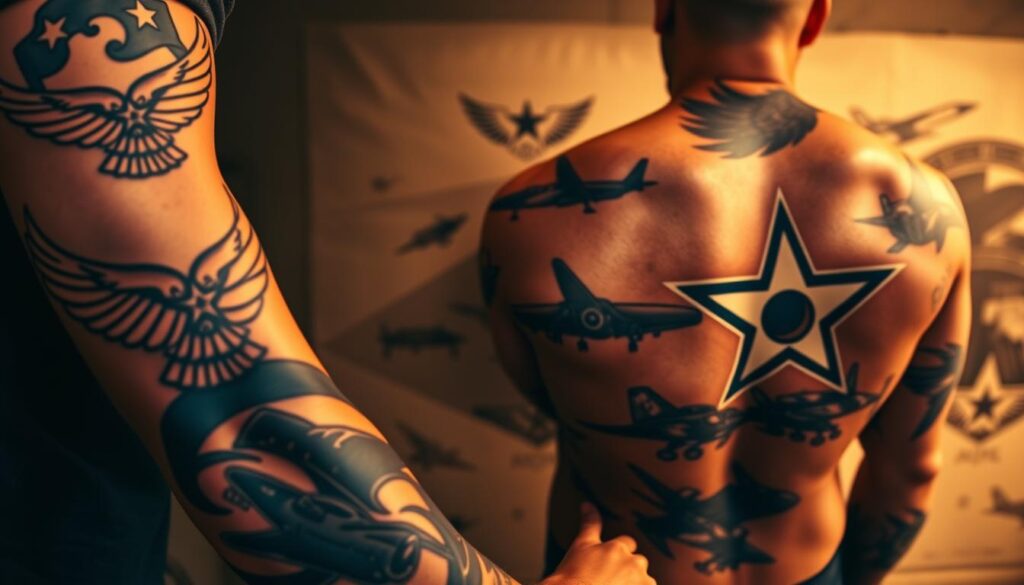
Over the past decade, updates to appearance regulations show a more inclusive approach to service members. The military has shifted from banning most visible ink to recognizing body art as part of modern self-expression. But how does this affect your service journey?
The Evolution of Military Standards
Decades ago, strict rules limited body art to easily concealed areas. Today’s guidelines reflect societal shifts—37% of Americans under 40 have at least one tattoo. The 2022 revision allows larger designs and more placements, provided they don’t disrupt professionalism. A senior recruiter notes: “We’re adapting to attract skilled candidates without compromising our core values.”
What the Policy Means for You
If you’re enlisting, existing ink won’t automatically disqualify you. Current members can add more art if it follows current military tattoo guidelines. Prohibited content includes extremist symbols or offensive imagery. The focus? Maintaining unit cohesion while respecting personal choices.
These changes demonstrate a balance between tradition and progress. You gain flexibility to express individuality—as long as it aligns with service standards. Always consult your chain of command before getting new work done.
Permitted and Prohibited Tattoos in the Air Force
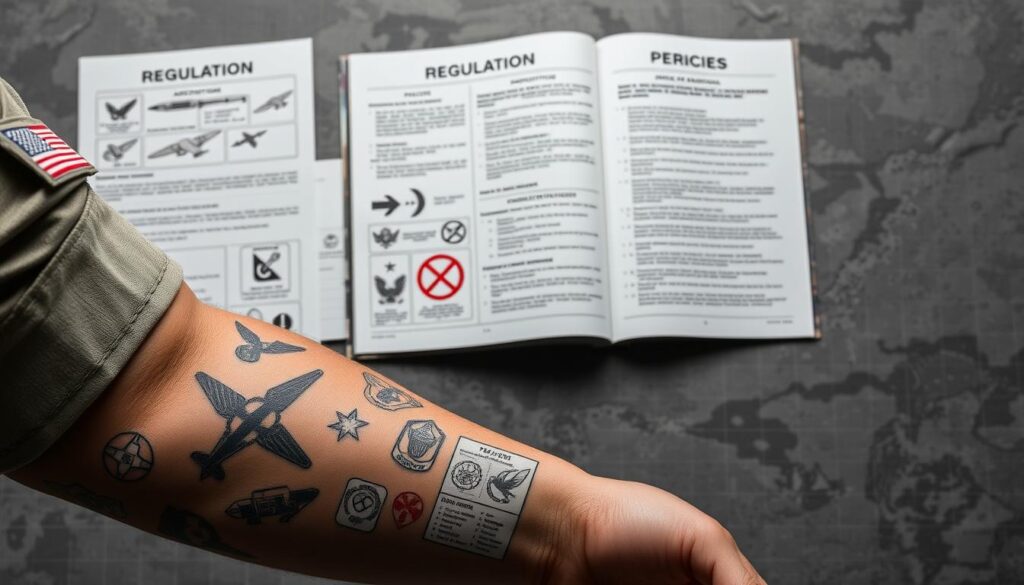
Your body art tells a story – but in military service, that narrative needs to align with collective values. The rules here focus on maintaining respect while allowing meaningful self-expression.
Permitted Ink: What’s Acceptable
You can display artwork celebrating heritage, family, or military pride. Designs hidden under uniforms – like those on your back or thighs – typically face no restrictions. Even cover-ups are allowed if the new tattoo follows current guidelines.
One commander shares: “We’ve approved memorial pieces and cultural symbols that demonstrate personal growth.” Leadership evaluates borderline cases individually, considering context and professional impact.
Prohibited Content and Safety Concerns
Anything promoting hate, violence, or explicit activities won’t make the cut. This includes gang signs, drug references, or imagery that advocates sexual misconduct. Such content risks disciplinary action and career limitations.
Always choose licensed artists using sterile equipment. Poorly executed work could lead to infections affecting duty readiness. If questioned about existing ink, you can request formal review through your chain of command.
Remember: Regulations exist to protect both your health and the service branch’s reputation. Planning future designs? Consider how they’ll represent you – and your team – decades from now.
Tattoo Placement, Size and Guidelines
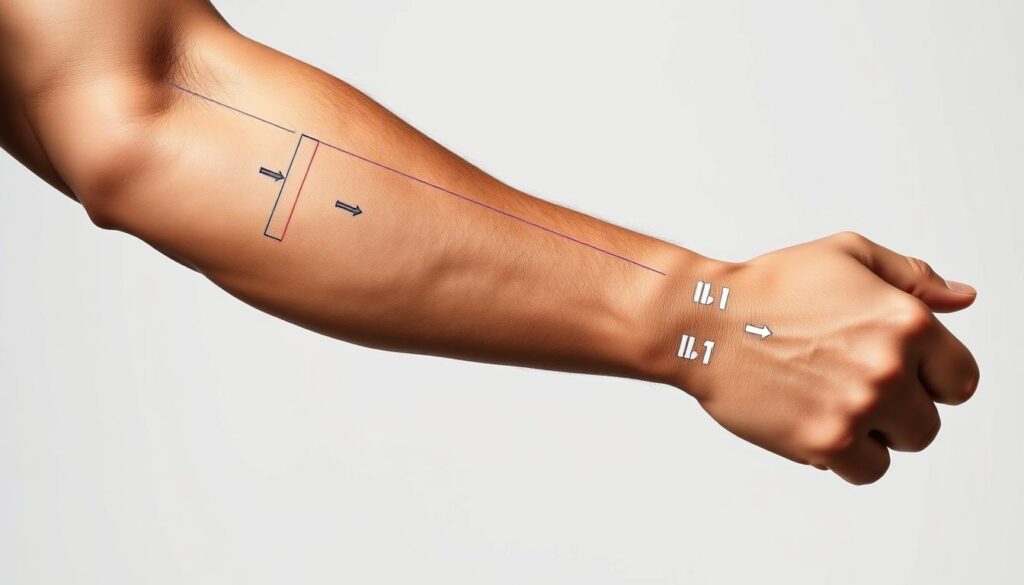
Precision matters when personal expression meets military standards. The rules here focus on balancing individuality with the need for a unified appearance during service.
Guidelines for Placement on Uniform Areas
Visible designs under ABU or Service Dress Uniforms require approved cover-ups. Skin-colored bandages or makeup must hide any artwork during duty hours. Areas like the head and face remain off-limits entirely.
For hands, exceptions exist. You can have one quarter-sized piece on the back of a hand or finger. A single ring design is allowed on one finger per hand. It must stay within ⅜ inch above the knuckle and below the joint.
Understanding Size Restrictions
Neck art has strict limits. A one-inch maximum applies to designs behind either ear. Leadership inspects these during evaluations using precise measurement tools.
Career fields involving public interaction often enforce tighter rules. Aviation roles might prohibit even permitted placements if they distract during operations. Always check with your unit before adding new ink.
Remember: Approved concealment methods vary by situation. Formal events may require different coverage than daily duties. Planning ahead ensures your choices align with both personal style and service expectations.
Impact on Uniform Appearance and Military Discipline
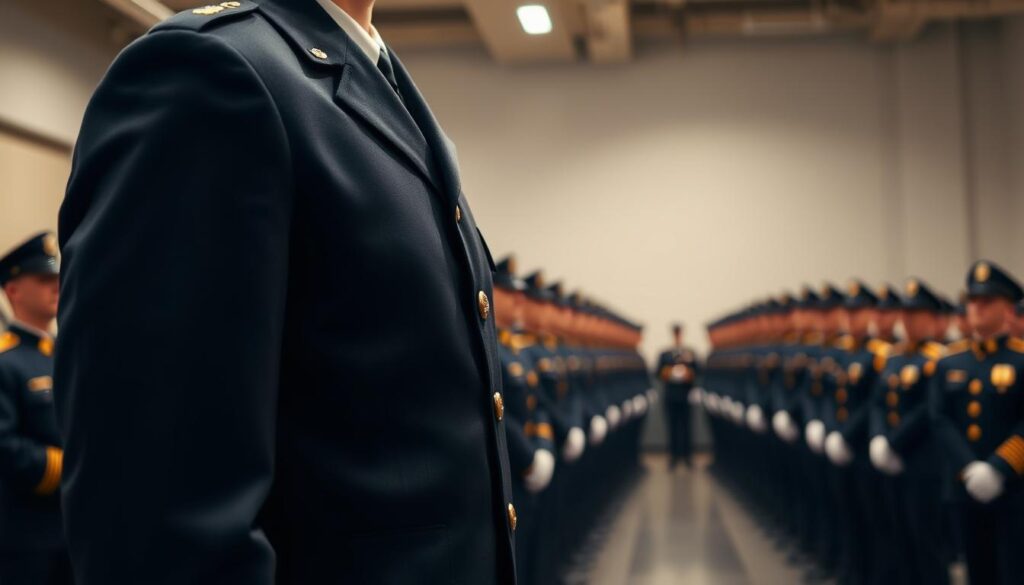
Your appearance in uniform speaks volumes before you even salute. The military’s visual identity relies on consistency—a shared commitment that builds trust internally and externally. Let’s explore how personal choices intersect with collective responsibility.
Maintaining Professionalism and Good Order
Supervisors play a critical role in upholding standards without stifling individuality. One sergeant explains: “We mentor team members to align their self-expression with service expectations.” This approach preserves discipline while respecting personal growth.
Visible body art gets evaluated through two lenses: Does it distract during missions? Could it undermine public confidence? Units often hold briefings to clarify these standards, ensuring everyone understands the why behind the rules.
Balancing Personal Expression with Uniform Standards
The military prioritizes cohesion over trends. While you can showcase meaningful designs, they mustn’t conflict with operational needs. Consider these factors:
- How artwork appears under different uniform types
- Whether symbols could be misinterpreted by diverse audiences
- Long-term career implications of placement choices
Recent surveys show 89% of recruits appreciate clear guidelines that still allow creativity. As one commander notes: “Our strength lies in unity—not uniformity.” This balance helps maintain both morale and the respected image of the armed services.
Joining the Air Force: Considerations for Your Ink
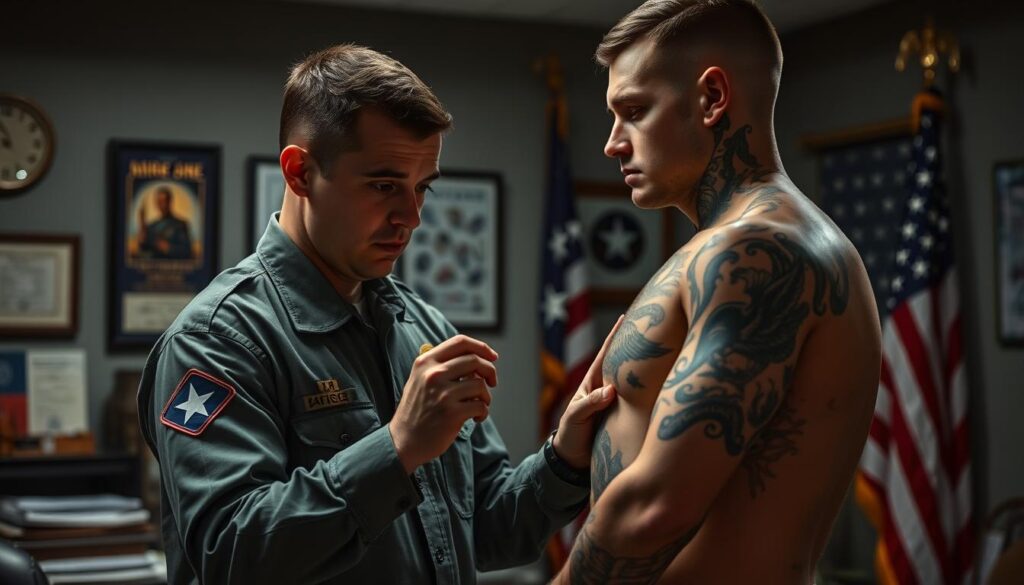
Your journey into military service starts with careful planning—especially when body art is part of your story. The evaluation process at MEPS (Military Entrance Processing Station) ensures your designs align with both physical and ethical standards. Let’s break down what this means for your application.
How Body Art Impacts Enlistment
During MEPS screening, officials document every visible design. They’ll check for prohibited content like extremist symbols or offensive language. Sleeve artwork gets special attention—though the Air Force allows full-arm coverage if images remain professional.
| Branch | Sleeve Policy | Neck/Collar Rules |
|---|---|---|
| Air Force | Unrestricted* | 1″ max behind ear |
| Army | 25% visible limit | No neck designs |
| Navy | No full sleeves | 1/4″ above collar |
Meeting Service Requirements
If existing ink needs adjustments, start early. Cover-up work requires 90 days to heal before evaluation. Laser removal? Plan 6-12 months for complete fading. Your recruiter can help prioritize modifications based on placement and content.
| Modification Type | Timeline | Considerations |
|---|---|---|
| Cover-up | 3 months | Must fully conceal original design |
| Laser Removal | 6-12 months | Multiple sessions needed |
| Waiver Request | 30-60 days | Case-by-case approval |
Borderline cases may qualify for waivers. One applicant received approval for cultural wrist symbols after providing historical documentation. Always disclose every design—hidden ink discovered later could delay your career progression.
Conclusion
Navigating body art in the military is a blend of personal choice and collective responsibility. You now possess the tools to make informed decisions that honor both your individuality and service commitments. The evolving standards reflect society’s growing acceptance while maintaining core military values like discipline and unity.
Looking ahead, regulations may continue adapting to cultural shifts. However, professional appearance remains non-negotiable. Staying updated on revisions ensures your self-expression aligns with current guidelines. Always consult leadership when planning new designs—they’re partners in helping you succeed.
Remember: Compliance isn’t about limiting creativity. It’s about wearing your service pride through choices that strengthen team cohesion. Whether adjusting existing work or considering fresh ink, your awareness of placement rules and content restrictions protects both your career and the institution’s respected image.
By balancing these elements, you contribute to a force that values both tradition and progress. Your smart decisions today support a lifetime of service without compromising what makes you uniquely prepared to defend our nation.