
What if everything you thought about nail care was wrong? Over 27% of women face splitting or peeling fingertips, according to Harvard research. But what truly causes this frustrating issue – and how can you solve it for good?
Your fingertips rely on layers of keratin, the same protein found in hair and skin. When this protective shield weakens, everyday tasks like typing or gardening become challenges. The good news? Simple changes can restore strength and confidence.
This guide cuts through the noise. You’ll discover why moisture balance matters more than you think and how to spot early warning signs. We’ve compiled dermatologist-approved methods and kitchen-tested DIY fixes that actually work.
Key Takeaways
- 27% of women experience splitting or peeling nails (onychoschizia)
- Keratin protein structure determines nail strength
- Moisture imbalance causes 80% of brittleness cases
- Professional treatments show results in 4-6 weeks
- Preventive care reduces breakage by 65%
Understanding Brittle Nails and Their Causes
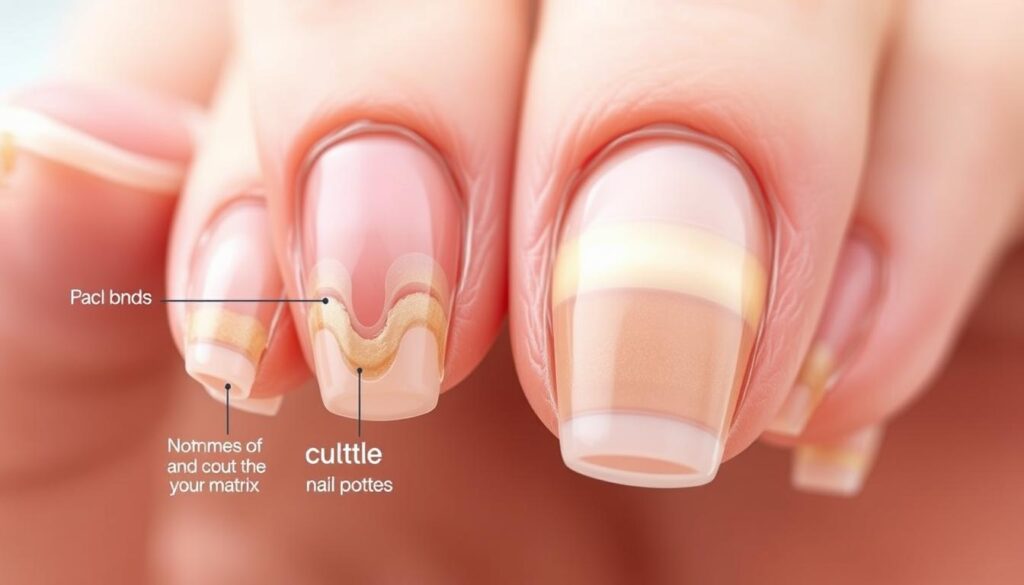
Your nail health acts like a dashboard warning light for both external habits and internal balance. The American Osteopathic College of Dermatology reveals that fingertip troubles stem from two main culprits: moisture mishaps and body-wide changes.
When Hydration Goes Haywire
Dry, fragile tips often come from constant handwashing or arid climates stripping natural oils. Think of paper-thin layers peeling after using harsh sanitizers. Conversely, over-moisturized nails weaken from daily dishwashing or acetone exposure, becoming bendy and prone to tears.
Body Signals You Can’t Ignore
Low iron stores show up as pale, cracking edges – your doctor might check ferritin levels. Thyroid imbalances often pair splitting tips with fatigue or weight changes. Did you know? If toenails stay strong while fingernails split, environmental factors are likely the cause.
Age plays tricks too. After 50, fingernails naturally thin while toenails thicken. Circulation issues like Raynaud’s can starve fingertips of nutrients, sometimes needing prescription support.
Identifying Moisture Imbalances in Your Nails
Your fingertips reveal more about hydration balance than you might realize. Environmental factors and daily habits create a tug-of-war between dryness and excessive wetness. Let’s decode what your tips are trying to tell you.
Recognizing Parched Tips
Dryness shows up as rigid surfaces that crack like old paint. You might notice vertical splits after washing dishes or using hand sanitizer. Winter air often leaves them feeling sandpaper-rough, with visible white patches where layers separate.
When Flexibility Becomes a Weakness
Tips that bend too easily signal too much moisture. They might peel like onion layers or tear horizontally near the free edge. This often happens when moisturizers sit on skin without absorbing, or after repeated acetone use during polish changes.
| Condition | Texture | Common Triggers | Quick Fix |
|---|---|---|---|
| Dry Tips | Hard, rigid | Hand sanitizers, low humidity | Oil-based treatments |
| Over-Moisturized | Bendy, weak | Heavy creams, acetone | Breathable base coats |
Notice how your tips react after showering? Dry ones become more fragile, while over-moistened ones may warp. Tracking these patterns helps choose solutions that actually work instead of worsening the issue.
Effective Home Treatments and DIY Remedies
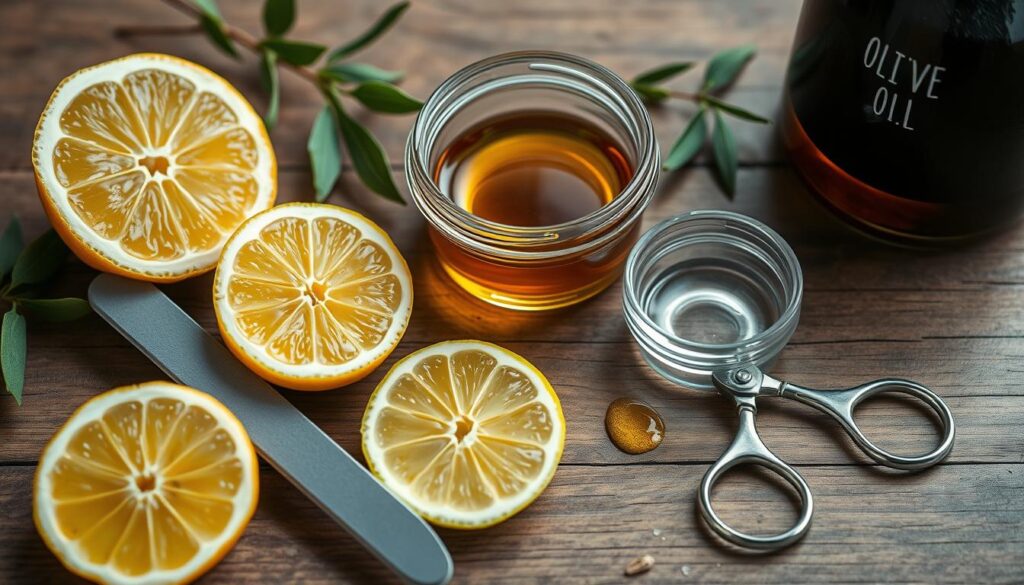
Transform your daily routine into a nail-strengthening powerhouse with simple yet impactful changes. These science-backed methods work with your body’s natural processes to rebuild resilience from the cuticle outward.
Moisturizing and Protective Techniques
Lock in hydration with lotions containing lanolin or alpha-hydroxy acids. Massage them into your fingertips after every handwash – especially before bed. This creates a moisture reservoir that repairs keratin layers overnight.
Keep nitrile gloves by every sink. Slip them on during dishes or cleaning to block harsh chemicals. A 2023 dermatology study found this simple habit reduces tip damage by 58%.
| Treatment | Key Benefit | Time to Results |
|---|---|---|
| Lanolin Cream | Seals moisture | 3-5 days |
| Glove Use | Prevents splits | Immediate |
| Biotin Supplements | Strengthens structure | 6-8 weeks |
At-Home Conditioning Strategies
File with a fine-grit emery board using single-direction strokes. This prevents the “sawing effect” that weakens edges. Keep tips short during recovery – less length means fewer pressure points.
Try a breathable base coat between polishes. Look for formaldehyde-free formulas with silk proteins. These create flexible armor without suffocating your keratin layers.
Incorporating Nutritional Support
Biotin supplements can help strengthen your natural defenses. The American Osteopathic College recommends 2.5-5mg daily. Pair with 45g+ of protein – think eggs or lentils – to fuel keratin production.
Consistency matters most. “Improvements appear gradually as new growth emerges,” notes Dr. Lisa Richards. Track progress with monthly photos to stay motivated.
Practical Tips for Nail Care and Product Use
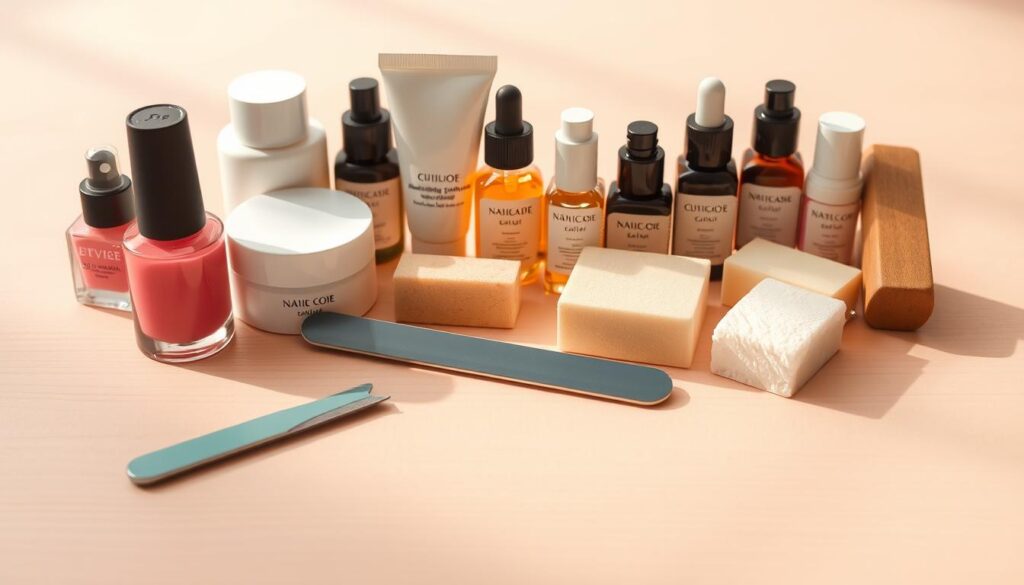
Did you know your polish habits could be weakening your tips? Smart product choices and gentle techniques create stronger, healthier edges. Let’s explore how to upgrade your routine without sacrificing style.
Choosing the Right Nail Polish and Removers
Acetone-free removers protect your natural oils better than traditional options. Look for formulas with vitamin E or glycerin – they clean polish while hydrating. Clear coatings work wonders as protective shields. Try leaving a short pink acrylic nails-inspired nude shade for 5-7 days between changes.
Colored polishes need careful timing. Limit applications to twice monthly, letting edges breathe for 3-4 days between coats. “Frequent color swaps expose tips to double the chemicals,” warns manicurist Jenna Cole. Gel styles? Save them for summer when humidity helps prevent drying damage.
Safe Filing, Buffing, and Cuticle Care
Always file in one direction using 180-grit boards. Back-and-forth sawing creates tiny splits that grow into cracks. Buff gently along the growth pattern – think windshield wiper motions, not circular scrubbing.
Treat cuticles like delicate lace. Push them back after showers using rounded metal tools. Avoid cutting unless absolutely necessary. Moisturize daily with jojoba-based oils to maintain flexible protective seals around the nail bed.
| Tool | Proper Use | Frequency |
|---|---|---|
| Cuticle Pusher | 45-degree angle | Weekly |
| Emery Board | Edge-to-center strokes | As needed |
| Buffer Block | Light pressure | Monthly |
When to Seek Professional Guidance for Brittle Nails
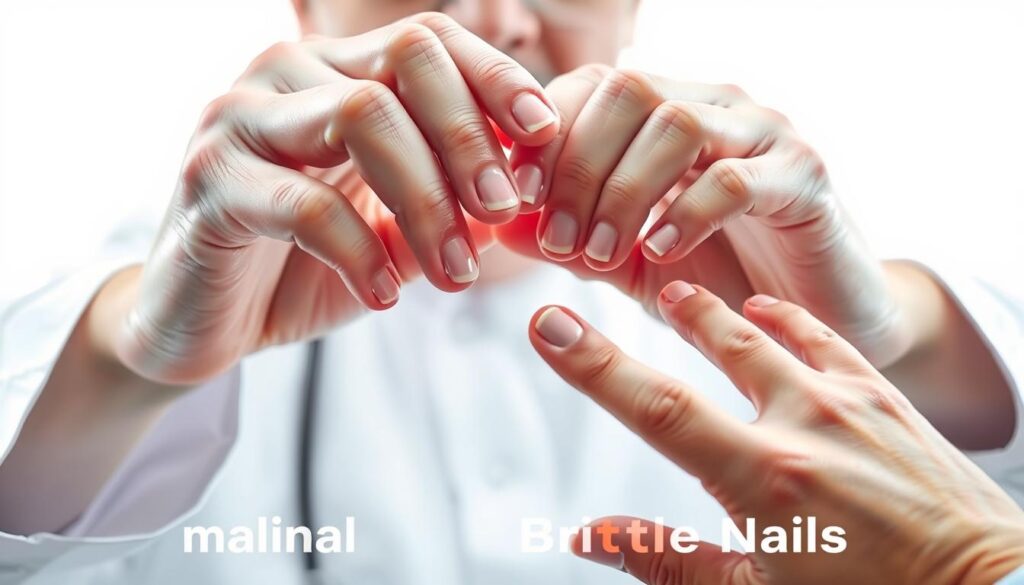
Sometimes your body sends signals that need more than DIY fixes. If you’ve tried home remedies for months without improvement, it might indicate deeper health concerns. Medical experts recommend paying attention to patterns – do your tips stay weak despite careful care?
Evaluating Persistent or Worsening Symptoms
Watch for these red flags: nails that separate from the bed, deep ridges like railroad tracks, or sudden color changes. Painful swelling around the edges could signal infection. A 2019 Journal of Endocrinology study found 38% of thyroid patients first noticed changes in their fingertips.
Consulting Your Doctor for Underlying Conditions
Your healthcare provider might check:
- Iron stores through ferritin tests
- Thyroid hormone levels
- Fungal cultures for thickened edges
Autoimmune conditions like psoriasis often show skin changes alongside splitting tips. “Don’t ignore combined symptoms,” advises Dr. Emily Torres. “Fatigue plus brittle edges often points to nutritional gaps or hormonal shifts.”
| Symptom | Possible Condition | Next Steps |
|---|---|---|
| Yellow thickening | Fungal infection | Prescription antifungals |
| Horizontal ridges | Nutritional deficiency | Blood panel analysis |
| Pale separation | Iron deficiency | Dietary adjustments |
Remember – healthy edges start from within. Your doctor may recommend targeted supplements or specialist referrals based on test results. Early intervention often leads to better outcomes for both your tips and overall wellness.
Conclusion
Ever wondered why some tips stay strong while others crumble? Your journey to resilient fingertips starts with recognizing two main culprits: dry, rigid edges from moisture loss or soft, bendy layers caused by excess hydration. Simple daily habits like wearing gloves during chores and applying nourishing creams after handwashing can make all the difference.
Remember – visible improvements take time. Since fingernails grow about 3.5 millimeters monthly, you’ll need 4-6 weeks to see noticeable changes. Track progress by observing new growth at your cuticle line rather than focusing on existing splits.
If consistent care doesn’t yield results, consider consulting a dermatologist. Underlying issues like nutrient deficiencies or hormonal shifts might require targeted solutions. Whether through dietary supplements, protective polishes, or medical treatments, lasting strength comes from addressing both surface needs and internal balance.