

What if a habit you’ve had since childhood carries risks you’ve never considered? For millions of Americans, nail biting feels harmless—a mindless response to stress or boredom. But beneath the surface, this common behavior might impact more than just your fingertips.
Onychophagia—the clinical term for chronic nail biting—affects nearly 1 in 3 people. While occasional nibbling rarely causes harm, persistent habits can weaken nails and damage delicate skin. The real concern? Your hands touch countless surfaces daily, transferring germs directly to your mouth.
Repeated exposure increases infection risks, from minor colds to more severe bacterial issues. Dental professionals note how constant pressure on teeth from biting hard surfaces might even alter tooth alignment over time. Yet most individuals underestimate these consequences, viewing the habit as purely cosmetic.
Understanding where occasional picking crosses into concerning territory matters. This article separates myths from medical facts, helping you recognize when to seek support and how to protect your wellbeing while addressing this widespread behavior.
Key Takeaways
- Chronic nail biting impacts nearly 30% of adults and can damage nails and skin
- Germs from fingers may enter the body through small mouth wounds
- Persistent habits could lead to dental issues or repeated infections
- Occasional vs. frequent biting requires different levels of concern
- Recognizing when habits affect daily life helps determine next steps
The Origins and Psychology Behind Nail Biting

Ever wonder why fingers find their way to your mouth during tense moments? This behavior often roots itself in early experiences. Research shows many individuals first develop this tendency between ages 3 and 4, though patterns vary widely.
Emotional Triggers and Stress Relief
Nervous energy often fuels repetitive actions. For some, gnawing on fingertips becomes a quick fix for overwhelming emotions. Stress and boredom top the list of catalysts, creating a cycle where temporary relief reinforces the habit.
Studies link persistent cases to anxiety disorders and ADHD. These conditions amplify the urge to self-soothe through physical actions. While occasional picking seems harmless, chronic patterns may signal deeper emotional needs.
Childhood Habits and Behavioral Patterns
Thumb-sucking toddlers sometimes switch to nail-focused habits as they grow. Developmental stages play a role—what begins as curiosity or imitation often evolves into unconscious repetition. Most kids abandon these tendencies naturally by adolescence.
For others, the ritual persists into adulthood. Body-focused repetitive behaviors (BFRBs) like severe cases often coexist with genetic factors or obsessive-compulsive tendencies. Recognizing these connections helps tailor effective intervention strategies.
Understanding Nail Biting Risks and Health Issues
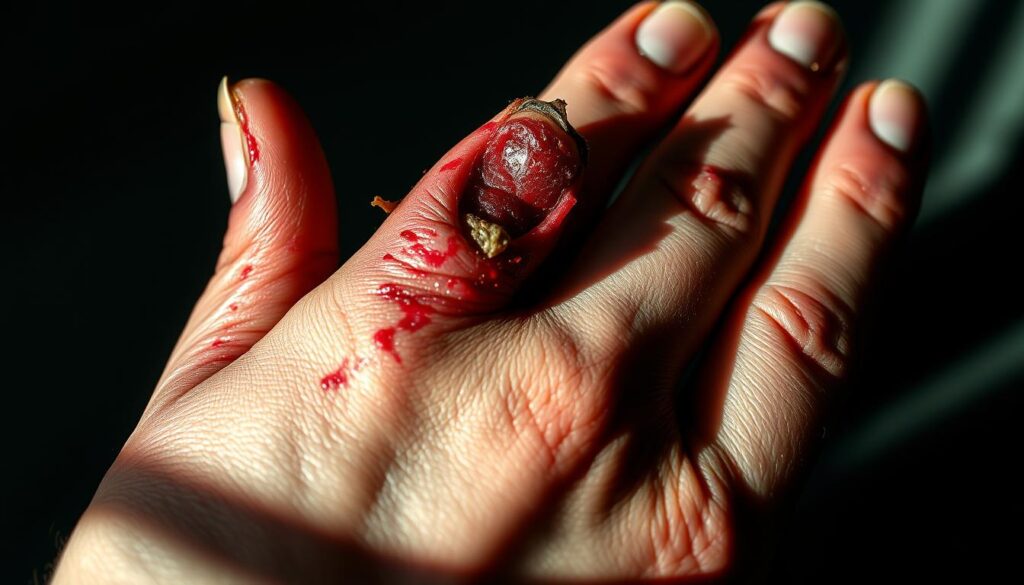
While often dismissed as a harmless habit, frequent nail biting opens the door to multiple health concerns that extend beyond cosmetic issues. Damaged fingertips and uneven edges only scratch the surface—persistent habits create entry points for germs and strain oral structures.
Skin Infections and Tissue Damage
Germs thrive beneath fingernails—studies show they harbor 2x more bacteria than hands. When nibbling breaks skin, staph or strep infections can invade torn cuticles. Redness, swelling, or pus around nails signal trouble.
Repeated trauma weakens protective barriers. Fungal growth becomes 3x more likely in moist, damaged nail beds. Chronic cases may require antibiotics or antifungal treatments to resolve.
Dental and Oral Health Consequences
Constant pressure from chewing hard surfaces stresses teeth. Orthodontists report cases where front teeth shifted positions, undoing years of braces. Enamel fractures often appear as tiny chips along biting edges.
Sharp nail fragments can puncture gums, inviting harmful bacteria. This explains why gum recession occurs 40% more often in persistent cases. Left unchecked, these issues lead to costly dental repairs.
Can biting your nails kill you? A Factual Examination
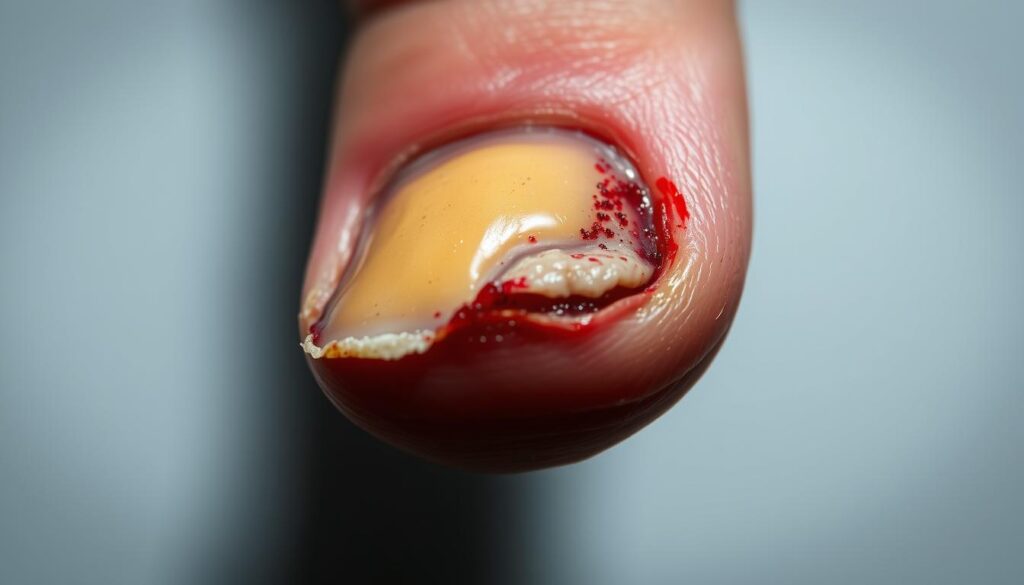
Is there a real threat lurking in a routine many consider harmless? While severe outcomes are uncommon, understanding the science behind this habit helps separate fact from fear.
Potential Infections and Systemic Risks
Every time fingertips meet your mouth, you’re potentially inviting E. coli or salmonella to the party. These bacteria thrive under nails and enter through tiny mouth cuts. Once inside, they can trigger stomach issues or intestinal infections requiring antibiotics.
Swallowed nail fragments pose another problem. Sharp edges may irritate your digestive tract, creating discomfort. Over time, repeated exposure to germs weakens your immune system’s defenses against common illnesses.
Long-Term Effects and Misconceptions
Contrary to popular belief, life-threatening consequences are rare. However, chronic cases allow harmful pathogens to accumulate. One study found individuals who bite nails regularly experience 40% more gastrointestinal infections than non-biters.
Three key myths need clarification:
- “Germs under nails aren’t dangerous” – Fingertips contact doorknobs, phones, and keyboards daily
- “Swallowed nails dissolve harmlessly” – They can cause internal abrasions
- “Only visible wounds matter” – Microscopic mouth tears let bacteria enter blood
While fatalities are extremely uncommon, compromised health over years remains a valid concern. Recognizing these risks empowers better habit management.
Effective Strategies to Stop Biting Your Nails

Breaking free from persistent habits requires smart strategies tailored to your unique triggers. Let’s explore three proven approaches that combine self-awareness with practical tools.
Behavioral Techniques and Habit Reversal
Start by tracking when and why you bite. Journaling helps identify patterns like stress triggers or idle moments. Replace the action with stress balls or finger tapping—actions that keep hands busy without damage.
Try the “21-second rule”: When urges strike, pause and count slowly. This disrupts automatic behavior, creating space to choose alternatives. One study showed this method reduces habitual actions by 34% within six weeks.
Professional Therapies and Preventative Measures
For deeply ingrained patterns, cognitive behavioral therapy (CBT) teaches coping mechanisms. Therapists use techniques like:
- Exposure therapy to manage anxiety triggers
- Mindfulness exercises to increase body awareness
- Positive reinforcement systems for progress tracking
“Habit reversal training succeeds because it addresses both the behavior and its emotional fuel.”
Practical Product Solutions
Create physical barriers between teeth and nails. Consider these options:
| Method | How It Works | Effectiveness |
|---|---|---|
| Bitter nail polishes | Creates unpleasant taste | 83% report reduced biting |
| Nail guards | Plastic covers prevent access | Ideal for nighttime use |
| Hydrating cuticle oil | Reduces rough edges | 65% fewer triggers |
Carry sugar-free gum or fidget rings for oral and tactile substitutes. Pair these tools with weekly nail care—short, filed edges offer fewer biting opportunities.
Oral and Dermatological Consequences of Nail Biting
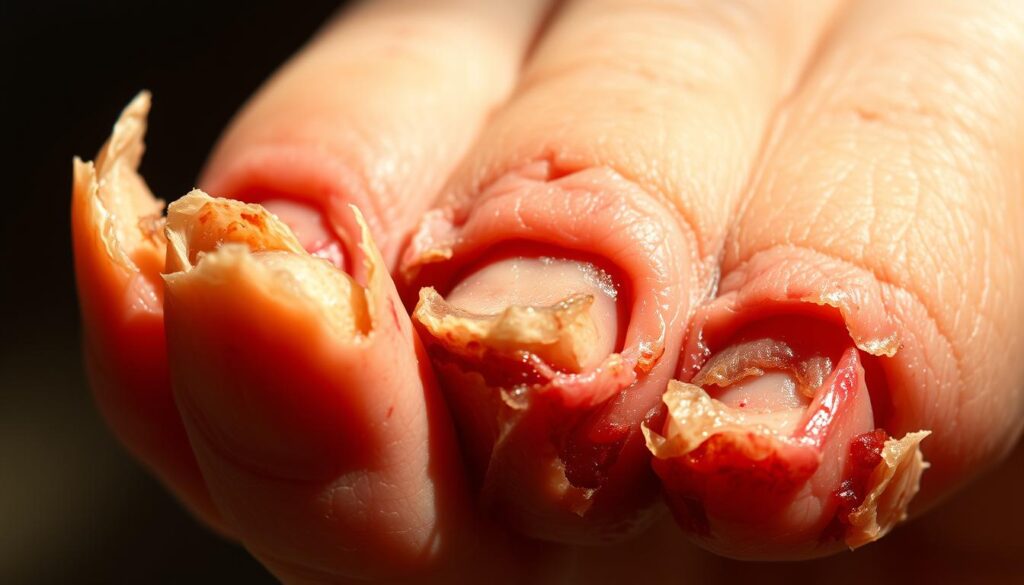
Your daily habit does more than leave ragged edges—it creates a domino effect of damage for both your smile and skin. Let’s unpack how this repetitive action impacts two critical areas of your health.
Impact on Teeth, Gums, and Breath
Dentists frequently see chipped enamel and misaligned teeth in patients who chew their fingernails. Orthodontic devices like braces or retainers can warp under constant pressure, undoing years of progress. Over time, grinding against hard surfaces wears down tooth structure, increasing cavity risks.
Gums suffer too—jagged edges slice delicate tissue, inviting bacteria that cause swelling. This explains why many biters develop persistent bad breath. Germs hitchhike from hands to mouth, creating an oral environment ripe for odor-causing microbes.
Risk of Hangnails, Ingrown Nails, and Skin Infections
Your hands pay a visible price. Torn cuticles become entry points for staph or fungal invaders. Hangnails—those painful skin flaps—often lead to paronychia infections. Symptoms include redness, pus, and throbbing pain around nails.
Ingrown nails develop when repeated trauma forces edges into surrounding skin. Dermatologists treat these cases with antiseptics or minor procedures. Left untreated, infections can spread to blood or require antibiotics.
| Common Issues | Treatment Options | Prevention Tips |
|---|---|---|
| Tooth erosion | Dental bonding | Use bitter polishes |
| Paronychia | Antibiotic creams | Moisturize daily |
| Gum recession | Soft tissue grafts | Wear nail guards |
Conclusion
Your hands reveal more than you think—especially when repetitive habits take hold. While most nail biting cases remain harmless cosmetic concerns, severe patterns demand attention. Recognizing when to seek help protects both physical health and emotional wellbeing.
Schedule a doctor’s appointment if you experience recurring infections, nail discoloration, or separation from surrounding skin. Swelling, persistent pain, or bleeding around nails also signal it’s time for professional care. Early intervention prevents minor issues from escalating.
For those struggling to quit despite repeated attempts, therapy addresses root causes like anxiety. Mental health providers teach strategies to reshape stress-driven behaviors. Combining medical support with habit reversal techniques often yields lasting change.
Remember—consistent nail care matters more than perfection. Small steps toward healthier habits strengthen your body’s defenses over time. With awareness and the right resources, breaking free becomes an empowering journey.