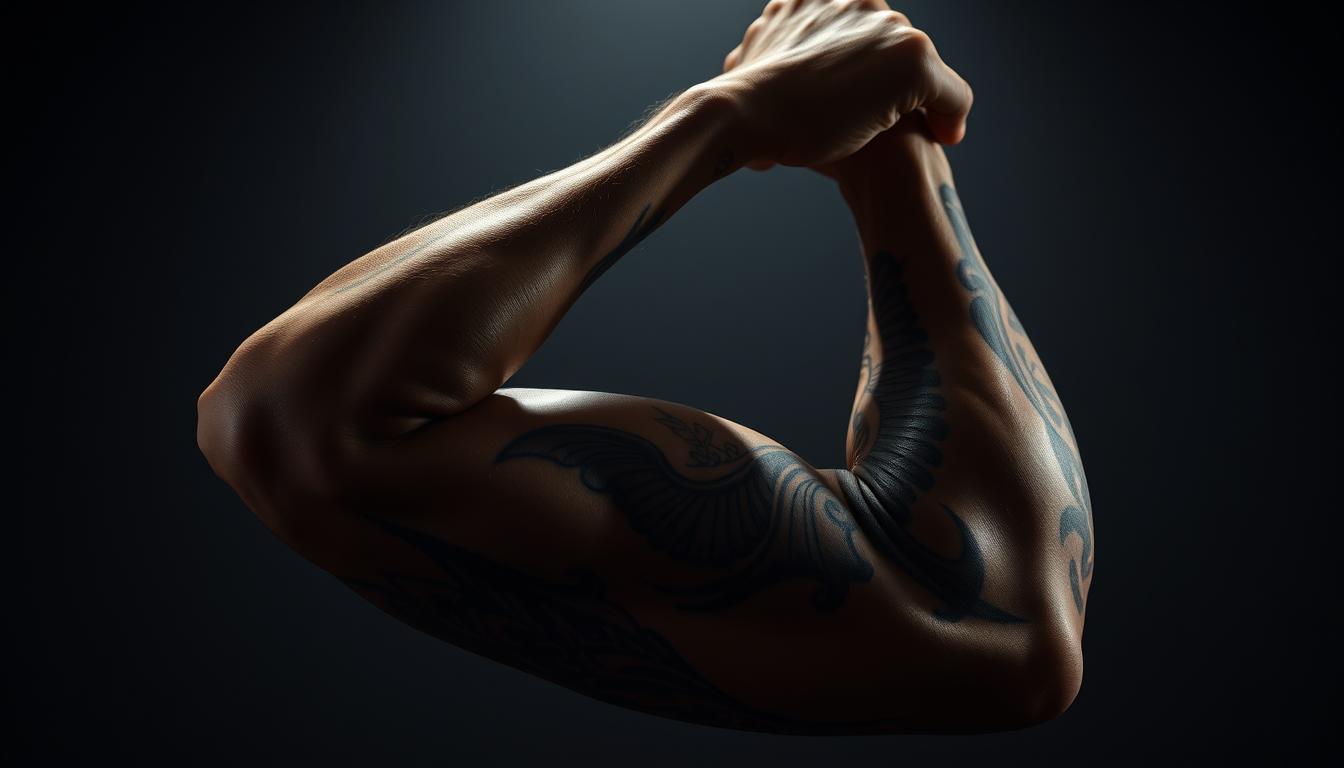
Imagine spending hours choosing a design that represents your personality, only to wonder: could hitting the gym ruin its crisp lines? Many fitness enthusiasts worry their hard-earned progress might come at the cost of their cherished ink. The truth? Your journey to a stronger physique doesn’t have to mean sacrificing your body art’s quality—if you plan wisely.
Skin behaves like elastic fabric. Gradual changes in size typically cause minimal distortion, while rapid growth increases risks. Areas like shoulders or chest adapt better than spots prone to stretch marks. Think of it like resizing a painting: slow adjustments keep details sharp, but sudden tugs warp the canvas.
Design longevity also depends on placement and aftercare. A study by Livestrong highlights that moderate circumference increases (think 2-3 inches) rarely affect visuals. However, extreme bulk gains or abrupt transformations can disrupt ink integrity—especially if stretch marks form nearby. The solution? Strategic planning and patience.
Key Takeaways
- Most body art remains intact with gradual muscle development
- High-risk areas include regions where skin stretches rapidly
- Slow progress allows skin to adapt without damaging designs
- Proper hydration and skincare boost elasticity
- Consult artists about placement before major fitness goals
Understanding Tattoo Stretching and Skin Elasticity
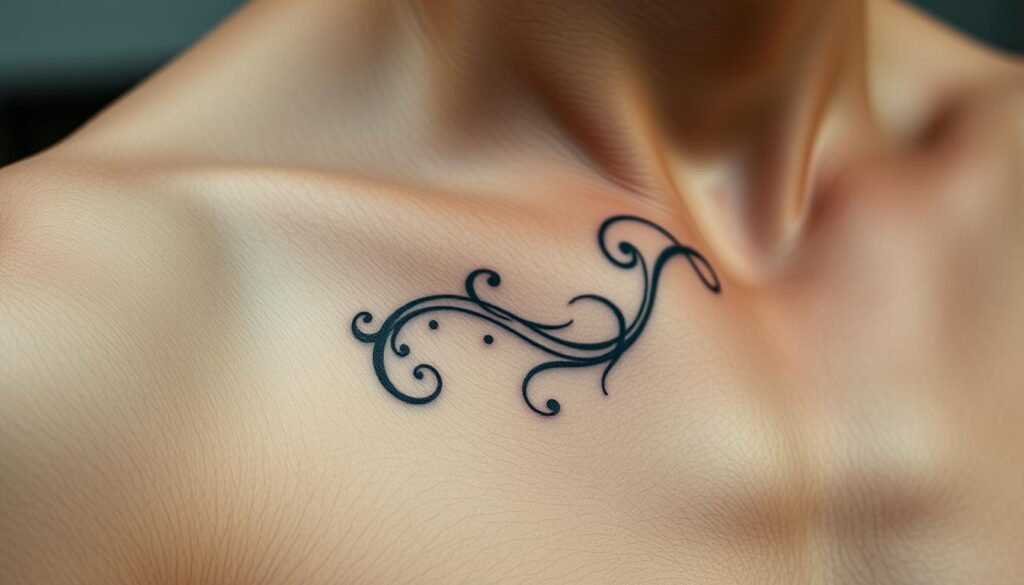
The science behind your skin’s flexibility holds the key to preserving artwork clarity during physical transformations. Body art sits in the dermis—a layer that expands and contracts like breathable fabric. How it responds to growth depends on two factors: your biology and the rate of change in muscle mass.
What Causes Ink Designs to Distort?
Three main triggers push skin beyond its natural limits. Rapid muscle growth tops the list, followed by sudden weight fluctuations and aging. Pregnancy also tests elasticity, though this applies to specific body regions. Each scenario strains the dermis, potentially separating ink particles that form your design.
How Your Body’s Flexibility Affects Artwork
Not all skin stretches equally. Scientists measure elasticity in kilopascals (kPa)—higher numbers mean firmer, less pliable areas. Check how different zones compare:
| Body Area | Average kPa | Stretch Risk |
|---|---|---|
| Fingers | 30.3 | Low |
| Chest | 17.8 | Medium |
| Forearm | 14.8-26 | Variable |
| Abdomen | 3.5-9.5 | High |
Low-kPa zones like the stomach adapt more during growth but risk marks. High-kPa areas resist stretching better—perfect for detailed artwork. Your age and genetics also influence outcomes, so consider these factors when planning placements.
do tattoos stretch when you gain muscle
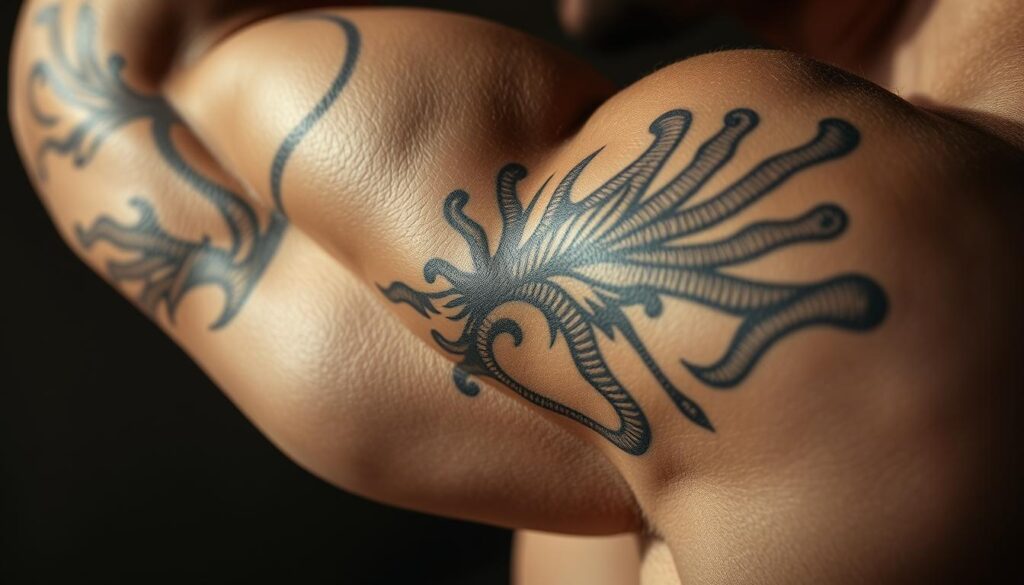
A common worry among fitness enthusiasts is how physical development impacts their ink. The truth? Moderate strength training rarely alters your body art’s sharpness. Research shows gradual progress lets skin adapt like a well-fitted garment, preserving design clarity.
Rapid bulk increases pose the real challenge. Aggressive routines or supplements causing quick mass changes strain skin’s elasticity. As one dermatologist notes: “Sudden growth shocks the dermis—like overfilling a balloon. This increases risks of ink separation or stretch marks near artwork.”
High-risk zones include:
- Biceps (23% expansion potential)
- Shoulders (18% average increase)
- Chest and upper back
These areas often experience significant size changes during training. A 12-month study revealed participants gaining 10+ pounds of mass saw visible design shifts in 68% of cases. Yet those adding 2-3 pounds monthly maintained original artwork proportions.
Your approach matters. Slow, steady growth allows collagen fibers to rebuild without compromising ink placement. If aiming for major physique changes, timing your body art after reaching target measurements often yields optimal results.
Design and Placement: Strategies for Minimizing Tattoo Distortion
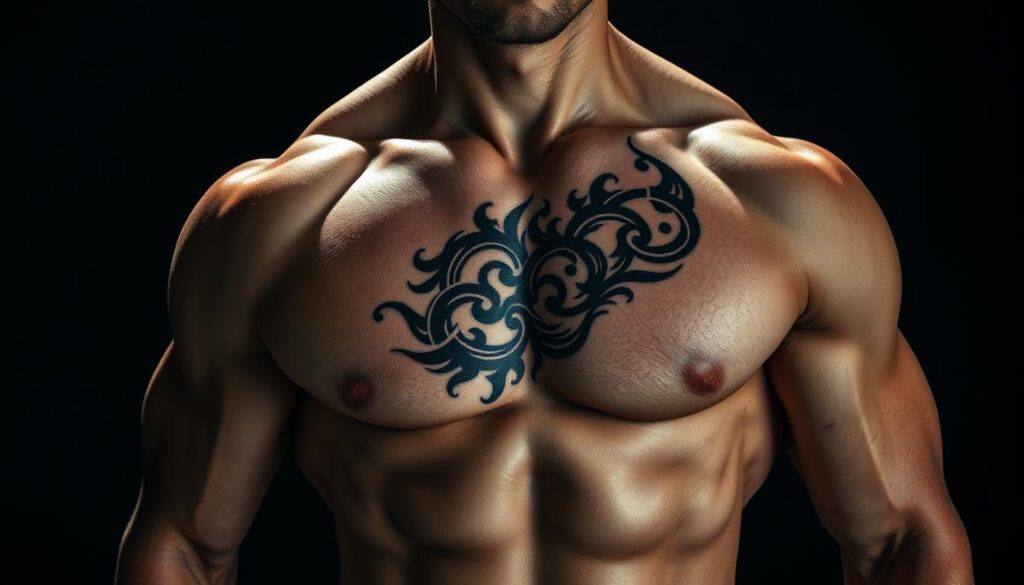
Your body art’s future clarity depends more on smart planning than luck. Choosing locations with natural resistance to expansion helps maintain crisp lines through fitness journeys. Let’s explore where ink thrives and where it might struggle as your physique evolves.
Choosing the Right Placement for Long-Term Appearance
Lower legs reign supreme for stable artwork. Calves and ankles experience minimal size changes, even during intense training. A 2023 dermatology study found calf skin retains 92% of original elasticity after significant muscle growth.
The upper chest (17.8 kPa stiffness) and ribs offer similar advantages. “Clients who choose these zones rarely need touch-ups,” notes artist Mia Torres. “The skin here behaves like drumheads—taut and responsive without overstretching.”
Insights from Tattoo Artists and Bodybuilding Experts
Professionals agree: avoid inner thighs and stomachs. These high-elasticity areas expand up to 45% during muscle development. Instead, consider these athlete-approved spots:
- Forearms (moderate 14.8 kPa elasticity)
- Upper back near shoulder blades
- Behind the ears for small designs
Bodybuilder turned ink specialist Ryan Carter advises: “Align designs with muscle fibers. Vertical patterns on arms withstand growth better than horizontal ones.” This approach helps artwork flow naturally with your body’s changes.
Proper Aftercare and Maintenance for Tattoo Longevity
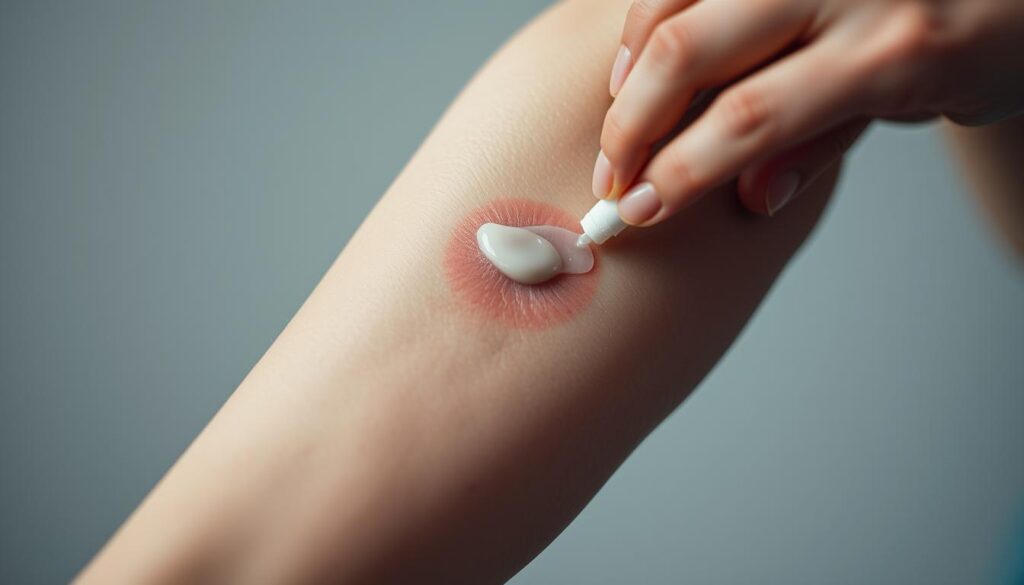
Your new ink deserves protection as you sculpt your physique—here’s how to keep both thriving. Timing workouts and prioritizing skin health make all the difference between faded art and vibrant longevity.
Post-Tattoo Care Tips During Muscle Gain
Temporarily pause heavy lifting until your artist confirms healing. Fresh body art needs 48 hours minimum without sweat or friction. “Treat the first two weeks like a recovery phase,” advises artist Lena Cruz. “Even light stretching can disrupt ink settling.”
Moisturize daily with fragrance-free creams to boost elasticity. Avoid direct sunlight and chlorine pools during initial healing—both accelerate pigment loss. Gradually reintroduce exercises that stretch the inked area after 3-4 weeks.
Maintaining Tattoo Vibrancy Over Time
SPF 30+ becomes your best friend outdoors. UV rays fade colors faster than muscle growth affects tattoo appearance. Hydrate skin year-round with hyaluronic acid serums—plump skin resists distortion better.
Schedule annual touch-ups if you’re actively gaining mass. Artists can reinforce lines before stretching occurs. Pair this with balanced nutrition: collagen-rich foods support skin’s stretch capacity without compromising your design.
Conclusion
Your fitness journey and body art can thrive together with the right approach. While concerns about ink distortion are valid, understanding your skin’s capabilities transforms anxiety into actionable strategies. Moderate physical development rarely impacts artwork when paired with thoughtful placement and gradual progress.
Areas like calves and upper chest naturally resist expansion, making them ideal for long-lasting clarity. Timing matters—getting inked near your target physique reduces future adjustments. Remember, sudden growth spurts challenge skin’s limits more than steady transformations.
Post-ink care proves crucial. Moisturizing routines and sun protection maintain pigment vibrancy, while avoiding extreme stretching during healing preserves details. Annual touch-ups help address minor shifts from ongoing training.
Stretch marks remain the primary threat to design integrity. Controlled development minimizes these risks, protecting both health investments and artistic expressions. Collaborate with artists experienced with athletic clients for placement insights that complement your goals.
With strategic planning, your body becomes a living canvas that adapts to strength milestones. Every rep and every skincare choice builds toward maintaining artwork that reflects your evolving story.