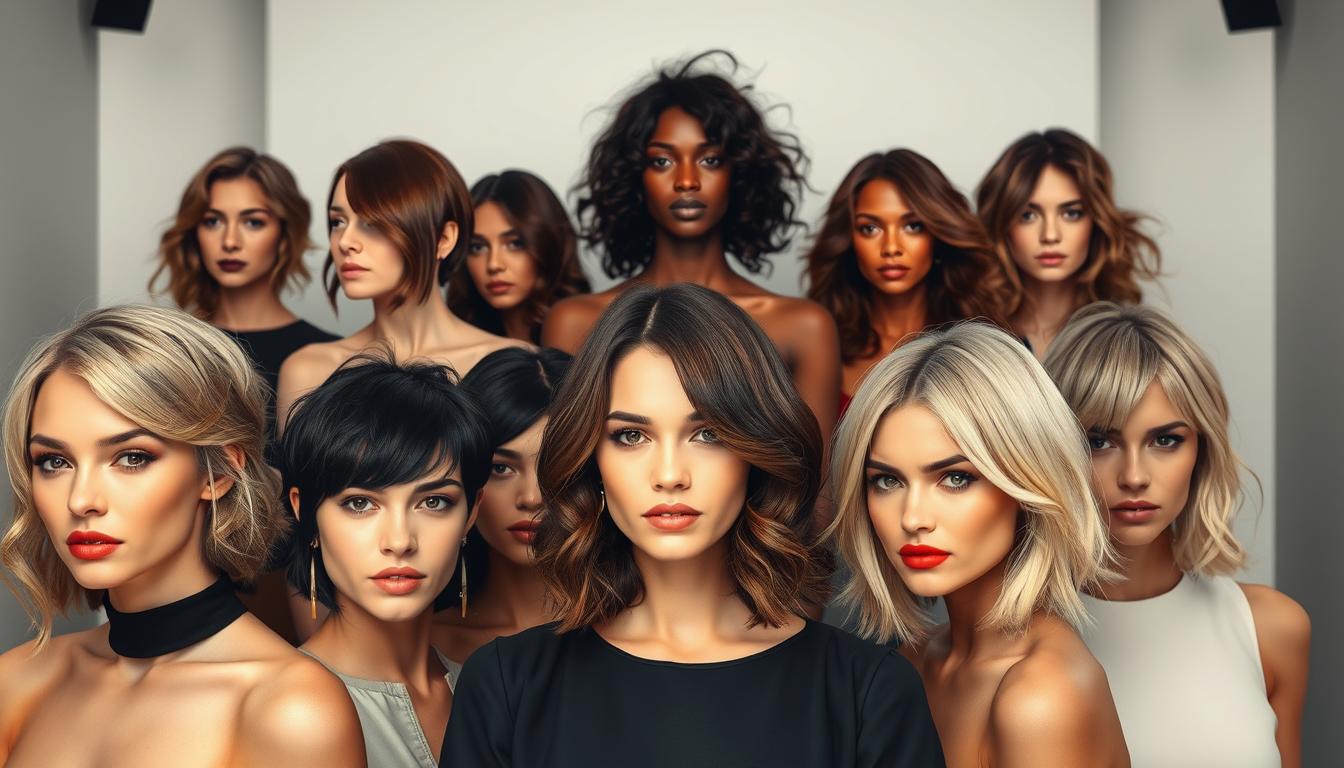
Ever wondered why a haircut looks great on someone else but not on you? It’s not just about changing how you look. The perfect haircut is a mix of style, lifestyle, and confidence. In this article, we’ll look at what makes a haircut perfect for you.
Key Takeaways
- Understanding the importance of a personalized haircut tailored to your lifestyle and aesthetics.
- Recognizing that the best haircuts go beyond appearance, boosting your confidence and way of living.
- The role of professional hair cut techniques in achieving your desired look.
- Trending styles can influence but should not dictate your final choice.
- Exploring popular haircuts like the Wolf Cut DIY for inspiration and styling tips.
- Preparing for a hair cut involves a thoughtful consideration of face shape and hair texture.
- Communicate effectively with your hairstylist to achieve the best outcome.
Understanding Different Hair Types
To find the perfect hair cut, knowing your hair type is key. Whether your hair is straight, wavy, curly, or kinky, it helps pick styles that match your hair texture. Here’s how to figure out your hair type and what each usually looks like.
Identifying Your Hair Type
Start by examining your hair strands’ pattern. Here are some signs:
- Straight: Hair falls flat from the roots to the tips with no wave or curl.
- Wavy: Hair lies in an S-shaped pattern, giving volume without tight curls.
- Curly: Defined curls that add volume and texture to the hair naturally.
- Kinky: Tight, coiled curls with a dense structure that provides a lot of volume.
Common Characteristics of Hair Types
Each hair type has its own traits. Knowing these can help pick the right hair cut. Here are some common features:
Straight Hair: Gets oily fast and lacks volume.
Wavy Hair: More voluminous than straight hair and holds its shape well without too much product.
Curly Hair: Prone to frizz and needs more hydration to keep curls defined.
Kinky Hair: Highly voluminous but can be dry and needs careful moisture management.
Understanding your hair type helps choose a cut that boosts your hair’s natural beauty. It ensures you look and feel great.
Popular Hair Cut Styles for Various Lengths
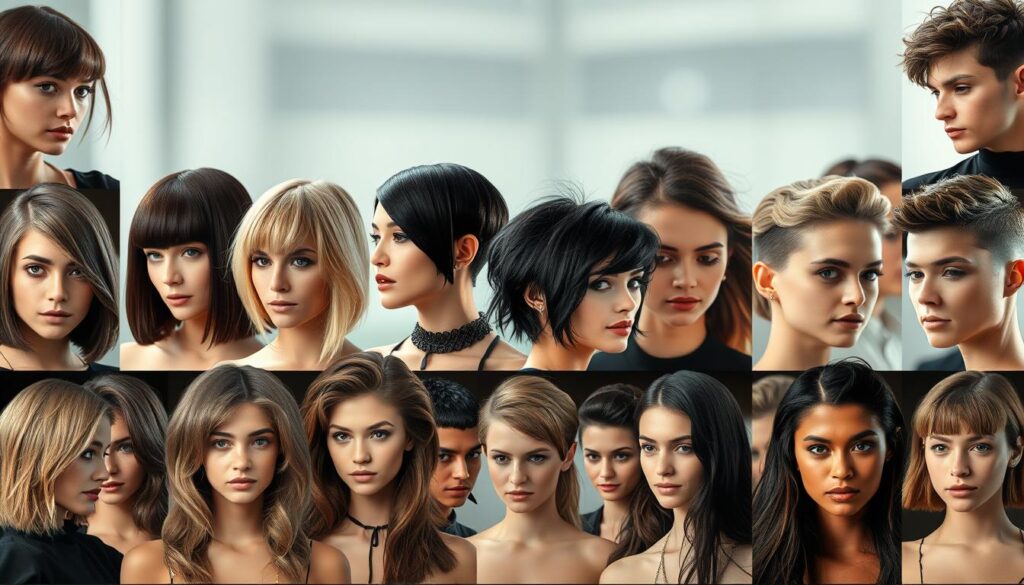
Choosing the right haircut can change your look completely. Whether you have short, medium, or long hair, there are many styles to try. Here, we look at some top picks for each length.
Short Hair Cuts
Short haircuts are great for those who want something easy yet stylish. The classic bob, pixie cut, and buzz cut are favorites. They look modern and need little care each day.
For a bold look, try adding colors or undercuts to your short hair.
Medium Hair Cuts
Medium haircuts are versatile and offer the best of both worlds. You can choose from layered cuts, shoulder-length bobs, or the trendy lob. These styles add volume and texture, perfect for a chic makeover.
Long Hair Cuts
Long hair brings timeless beauty and lots of styling options. Feathered cuts, long layers, and the bohemian shag are popular. Long hair needs more care but is worth it for its beauty and versatility.
Transform your long hair with braids, curls, or waves for a stunning makeover.
How to Choose the Right Hair Cut for Your Face Shape
Finding the perfect haircut is all about knowing your face shape. A good cut can make your natural beauty shine. We’ll show you the best hairstyles for each face shape, so you can look your best.
Oval Face Shape
Oval faces are lucky because they match many haircuts. Keep the crown simple to keep your look elegant. Try textured layers to balance your face and highlight your features.
Round Face Shape
Round faces need haircuts that make them look longer. Choose styles with volume at the crown. Layered cuts or long bangs can make your face look longer and more interesting.
For a modern look, try the wolf cut. It’s a favorite in K-pop.
Square Face Shape
Square faces need softening. Look for haircuts that add softness and roundness. Face-framing pieces and tapered sides can make your face look softer.
Try disconnected layers or shorter temples for a unique look. They’ll highlight your bone structure.
Heart Face Shape
Heart-shaped faces need balance. Longer layers around the chin soften your jawline. Shorter sides can make your forehead look smaller.
A haircut made for your face shape can make you look great. It will highlight your best features.
The Importance of Hair Texture in Choosing a Hair Cut
Choosing the right haircut depends a lot on your hair texture. Whether your hair is straight, wavy, or curly, knowing this helps you get the look you want. Different cutting techniques can make your hair look better or worse, depending on its natural texture.
Straight Hair
Straight hair is smooth and easy to manage. It’s a favorite for many classic haircuts. The sleekness of straight hair looks great with clean lines and precision, like blunt cuts or modern layers.
But, to add volume, you might need special techniques like texturizing or layering.
Wavy Hair
Wavy hair is a mix of straight and curly, making it versatile in styling. Its natural bends look good with layered cuts, shags, and beach waves. For wavy hair, cutting techniques aim to boost movement and avoid bulk.
Curly Hair
Curly hair has its own unique look, with coils and volume. It needs special cutting techniques to keep its shape and life. Cuts like the Deva cut or curly bob are made to highlight and enhance natural curls, keeping them bouncy and defined.
Current Hair Cut Trends to Consider
Staying on top of the latest styles can help you find the perfect haircut. It’s important to know about trends like textured, blunt, and fade cuts. These styles offer fresh looks that fit different hair types and face shapes.
Textured Cuts
Textured cuts are becoming more popular for adding volume and depth to hair. They use special cutting techniques to create layers and movement. This style is great for fine or thin hair, making it look thicker.
Blunt Cuts
Blunt cuts are known for their sharp, clean lines. They give a polished and sleek look. This style works well for straight hair and can be adjusted to different lengths.
Getting a blunt cut right requires precise cutting skills for the best finish.
Fade Cuts
Fade cuts have a smooth transition from longer hair at the top to shorter hair on the sides and back. They are very versatile and can be tailored in many ways. Fade cuts are popular among both men and women for their modern look.
They are ideal for those who want a stylish haircut that’s easy to maintain.
| Hair Cut Trend | Best For | Characteristics |
|---|---|---|
| Textured Cuts | All Hair Types | Layers and Movement |
| Blunt Cuts | Straight Hair | Sharp, Clean Lines |
| Fade Cuts | All Hair Types | Gradation of Length |
Preparing for Your Hair Cut Appointment
Getting ready for your hair cut is key to getting the best look. Planning ahead helps you know what you want and tell your stylist. This makes your visit to the salon better.
Researching Hairstyles
Start by looking up hairstyles that match your face and hair type. Knowing the latest trends and what suits you can make your salon visit better. Check out Nail Cut and Ink for tips and ideas.
Collect pictures of styles you like. These can help your stylist understand what you want. It makes talking about your look easier.
What to Bring to Your Appointment
Bring important items to your hair salon visit:
- A set of pictures illustrating the style you want
- A list of likes and dislikes about your previous haircuts
- Any hair products you regularly use, to discuss them with your stylist
Knowing your hair’s growth and texture helps too. By understanding your hair, you can get a cut that’s just right for you. Use a mirror to mark your hair’s growth patterns. This helps you tell your stylist exactly what you want.

Make sure you’re realistic about what your stylist can do. Think about your face shape and hair type. This way, you’ll be happy with your new look when you leave the salon.
Communicating with Your Hairstylist
Talking clearly with your hairstylist is key to getting the look you want. A good conversation helps you leave the salon happy with your new hair. We’ll share tips on what to ask and how to share your hair goals.
Questions to Ask
Asking the right questions at the salon can make a big difference. Think about asking:
- What styles look good on my face shape and hair type?
- How much work will this haircut need to keep it looking great?
- Can you show me pictures of haircuts you’ve done before?
- What products do you suggest for my new style?
How to Express Your Desired Style
It’s important to clearly tell your stylist what you want. Here are some tips:
- Bring Visuals: Pictures from magazines or Instagram can help show what you like.
- Describe Texture and Length: Use specific words like “textured layers” or “blunt ends” to explain what you want.
- Discuss Your Lifestyle: Tell them how much time you have for styling to make sure the cut works for you.
- Be Honest about Your Hair History: Share your hair treatment history to help them choose the best care for your hair.
Maintenance Tips for Your Hair Cut
A great haircut needs regular care to stay looking good. A good daily hair care routine and the right products can keep your haircut fresh. This way, it will look like you just left the salon.
Daily Hair Care Routine
Keeping your haircut in shape is key. Start with a shampoo that matches your hair type. Then, use a conditioner to keep your hair soft and easy to manage.
After washing, gently pat your hair dry. Avoid rubbing it hard with a towel.
Products to Use
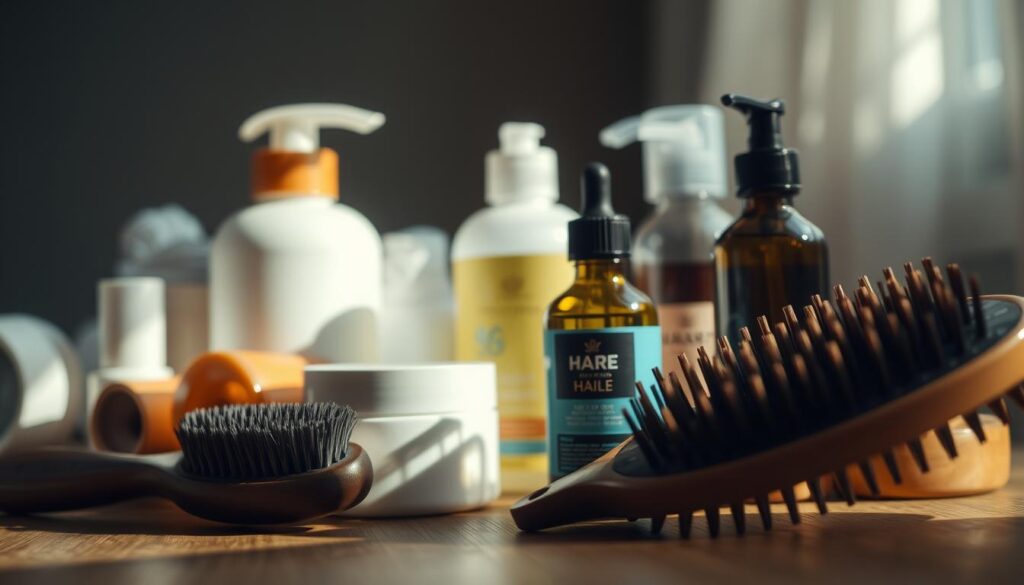
The products you choose are very important. Pick shampoos and conditioners that fit your hair’s needs. For fine hair, use products that add volume.
Use styling products like mousse, gels, and serums to enhance your look. Good tools, like a quality hairdryer or flat iron, are also essential.
| Hair Type | Recommended Product | Key Benefit |
|---|---|---|
| Dry Hair | Moroccanoil Hydrating Shampoo | Intense hydration |
| Oily Hair | Paul Mitchell Tea Tree Special Shampoo | Deep cleansing |
| Curly Hair | DevaCurl One Condition Original | Defines curls |
The Role of Hair Tools in Achieving Your Desired Look
Getting the right hair tools is key to styling your hair as you want. Quality tools can greatly improve your hair’s health and styling ease.
Essential Tools for Styling
To style your hair well at home, you need a few basic tools. These include:
- Blow Dryer: A good blow dryer gives you smooth, voluminous hair. Choose one with adjustable heat to protect your hair.
- Flat Iron: Great for straightening, it also makes waves and curls. Pick one with ceramic or tourmaline plates for even heat.
- Curling Wand: Essential for bouncy curls and waves. Look for one with adjustable temperature for your hair type.
Importance of Quality Tools
Quality hair tools are more than just brands. They use advanced technology and materials for salon-like results at home. They reduce heat damage, making styling safer and more efficient. Plus, they last longer, giving you more value for your money.
In short, the right hair tools are vital for your hair goals. Choose tools that fit your hair type and length. Investing in quality tools will help you achieve the best results in your daily styling routine.
Scheduling Regular Hair Cuts
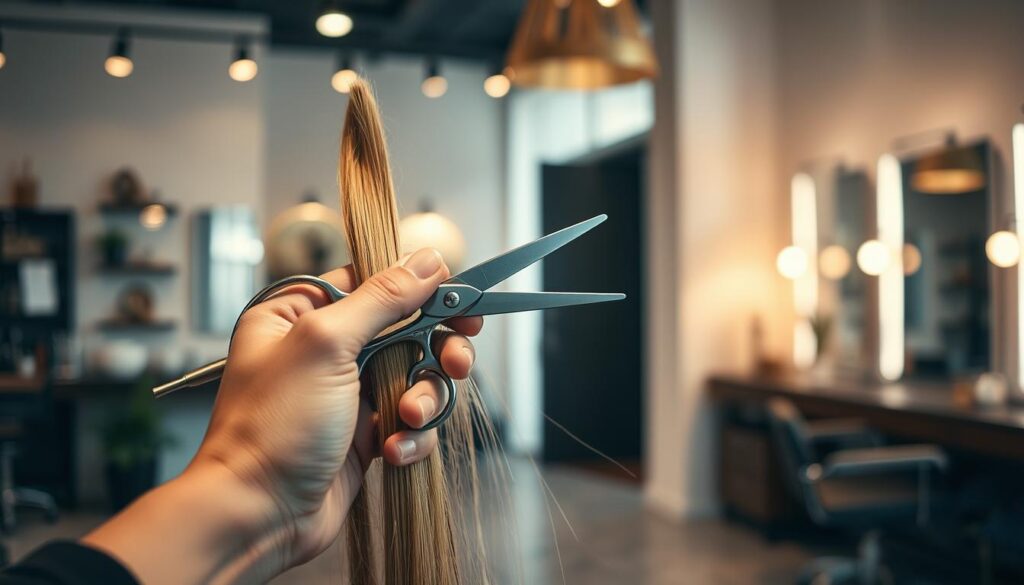
Regular hair cuts are key to keeping your hair healthy and looking good. Getting trims often helps your hair stay in shape and style. It also stops split ends and keeps your hair looking lively.
Benefits of Regular Maintenance
Getting regular hair cuts has many advantages. First, it stops split ends from getting worse. This can cause more damage to your hair. Also, regular trims keep your style looking sharp and easy to manage. This saves you time every day.
- Prevents Split Ends: Regular trims stop split ends from getting worse, leading to healthier hair.
- Maintains Style: Regular haircuts keep your hairstyle looking fresh and defined.
- Improves Hair Health: Trimming your hair often promotes new growth and healthier hair overall.
How Often to Get a Hair Cut
How often you need a haircut depends on your hair type, growth rate, and style goals. Generally, getting a trim every 6-8 weeks is best. But, the right time varies based on your hair:
- Short Hair: Short hair needs trims every 4-6 weeks to keep its shape.
- Medium Hair: Medium-length hair should get trimmed every 8-12 weeks to keep the ends healthy.
- Long Hair: Long hair can go 12-16 weeks between cuts. But, regular care and trimming the ends prevent split ends and keep the length.
Following these guidelines helps keep your hair healthy, stylish, and well-kept.
The Impact of a Hair Cut on Overall Appearance
Your haircut can change how you look and make you feel better about yourself. The right style can highlight your best features and boost your confidence.
Boosting Confidence
Choosing the best haircuts can make a big difference in how you see yourself. Feeling good about your look can change your attitude and how you interact with others. Trendy cuts like the wolf cut are loved for their easy style and low upkeep.
This haircut is great because it needs little daily styling and keeps you looking good for longer. It adds volume and a sleek look, making you feel more confident all day.
Matching Your Hair Cut with Your Lifestyle
It’s key to pick a haircut that fits your lifestyle. If you’re always busy, a simple style like the wolf cut is perfect. It’s quick to style, unlike other cuts that take more time.
Choosing the right haircut can save you time and keep you looking stylish. Also, finding a haircut that fits your lifestyle is important. Using light hair products helps keep your hair looking full all day. Strategically layered haircuts are a great choice for those with busy lives.
| Feature | Traditional Layers | Wolf Cut |
|---|---|---|
| Daily Styling Time | 15+ minutes | 3-5 minutes |
| Volume Duration | 2-4 hours | All day |
| Grow-Out Phase | Requires regular trims | Stylish for 12+ weeks |
Common Hair Cut Mistakes and How to Avoid Them
Even with the best intentions, we can make mistakes that lead to disappointing haircuts. This section looks at common errors like asking for too many styles at once and not considering hair texture. It gives tips on how to work with your stylist to get the results you want.
Over-Requesting
One big mistake is asking for too many styles at once. People often bring pictures of different styles they like, hoping to combine them. But this can result in a style that doesn’t fit well.
“Less is more,” says celebrity stylist Chris McMillan. “Focusing on one key feature can make a significant impact.”
Instead, talk to your stylist about the main style you want. This way, your stylist can use the right techniques to create a look that suits you.
Ignoring Hair Texture
Another mistake is ignoring your hair’s natural texture. Different hair types need different cuts, and not all styles work for everyone. For example, fine hair might not handle heavy layers well, and curly hair could look too wild.
It’s important to take care of your hair to keep your style looking good. Use products and routines that match your hair type to keep your cut looking fresh.
Finding the Right Salon for Your Needs
Choosing a hair salon is key to getting a cut that fits your style. Think about a few important things to make a good choice.
Evaluating Salon Quality
Look for a clean and professional salon environment. A neat salon shows it cares about hygiene and quality. Also, check if the stylists are experienced in different styles.
Importance of Yelp and Reviews
Online reviews are vital for judging a salon’s reputation. Sites like Yelp offer insights from past customers. Look at the ratings and feedback. High ratings and positive comments mean good service and happy customers.
| Evaluation Criteria | Aspect to Consider |
|---|---|
| Cleanliness | Is the salon well-maintained and hygienic? |
| Stylist Experience | Do the stylists have substantial experience and expertise? |
| Customer Reviews | What do Yelp and other review platforms say about the salon? |
DIY Hair Cuts: Pros and Cons
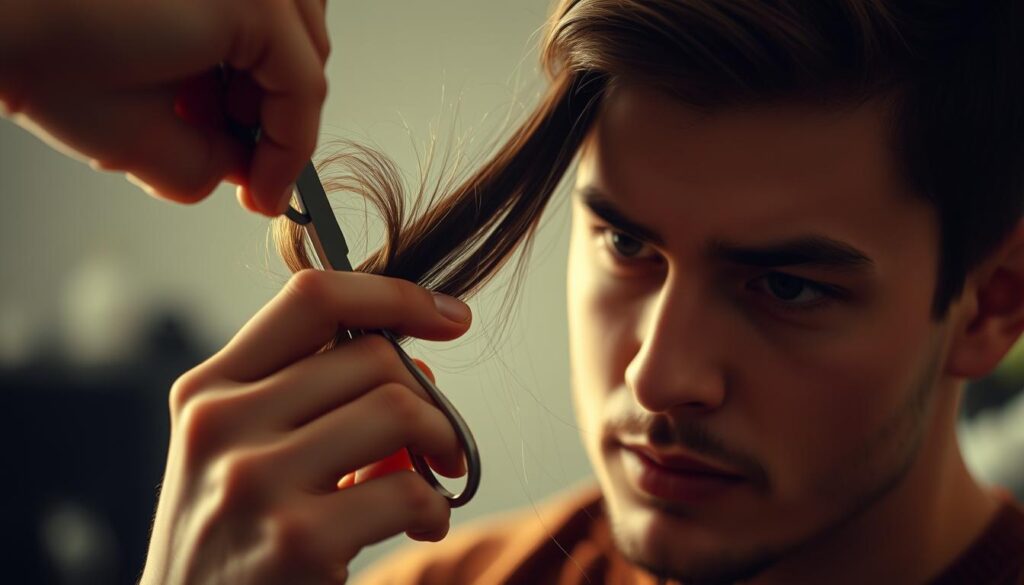
Thinking about cutting your own hair? It’s important to think about the good and bad sides first. Cutting your own hair can be flexible, save money, and let you control your look. But, it also has its own set of problems, like making mistakes that might be hard to fix without a pro.
When It’s Safe to Cut at Home
It’s usually okay to try a simple hair trim at home. This includes things like cutting split ends or keeping your bangs in line. But, if you want a big change or a complex style, it’s best to see a pro. Make sure you have a well-lit area and a clear plan before you start.
Essential Tools for DIY Cuts
To do a good DIY hair cut, you need the right tools. Get a good pair of hair scissors, a fine-tooth comb, and sectioning clips. Also, a mirror that lets you see your head from different sides is very helpful. For precise cuts, consider adding thinning shears and a quality trimmer to your collection. Here’s a quick list of what you’ll need:
- Hair cutting scissors
- Fine-tooth comb
- Sectioning clips
- Thinning shears (optional)
- Good quality trimmer
- Mirrors for multi-angle viewing
With the right tools and a little practice, you can get a neat and stylish DIY hair cut. This way, you can easily keep your hair trimmed as part of your grooming routine.
Hair Cut Costs and Budgeting
It’s key to understand hair cut costs for good budgeting. Knowing average prices and what affects them helps you make smart choices.
Average Costs Across the U.S.
Hair cut prices vary a lot in the U.S. Location, salon prestige, and stylist skill are big factors. Here’s a look at average prices in different cities:
| City | Average Hair Cut Cost |
|---|---|
| New York, NY | $75 |
| Los Angeles, CA | $65 |
| Chicago, IL | $55 |
| Houston, TX | $45 |
| Miami, FL | $50 |
What Factors Affect Pricing
Many things influence hair cut prices. Location is a big one. Cities with high living costs have pricier hair cuts.
Salon reputation also matters. Fancy salons charge more. Stylist experience is another factor. Skilled stylists ask for more money.
Special services like color treatments increase costs. Planning your budget helps find a salon that fits your needs and wallet.
The Benefits of Consulting a Professional Stylist
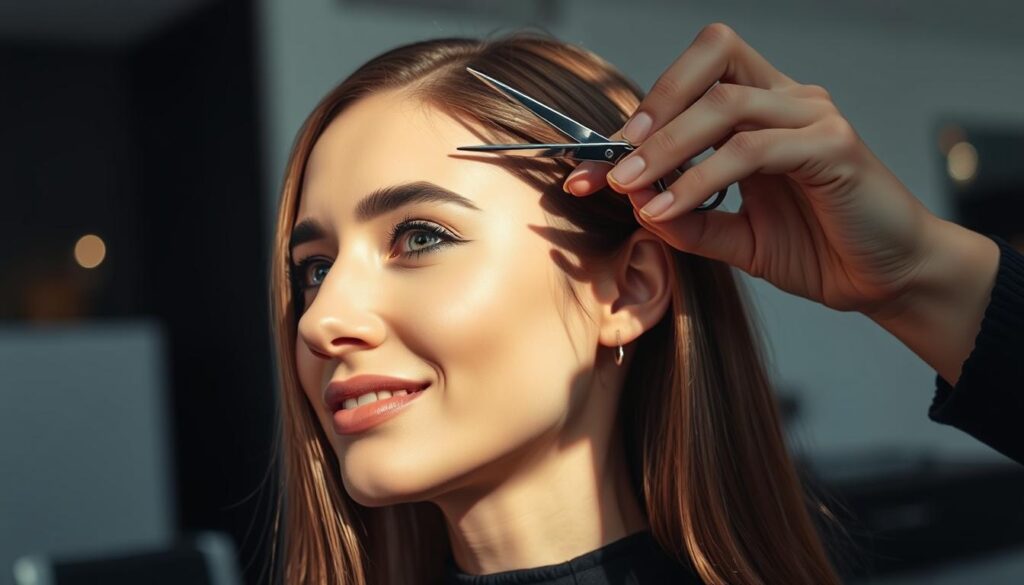
Getting a professional stylist can change your hair care game. They bring a wealth of knowledge to your hair needs. This means your cut will not only fit your face but also highlight your natural beauty.
Experienced Insight
Stylists with years of experience offer advice on styles that match your hair type. They can spot the perfect cut for you in no time. This ensures your look is both modern and classic.
Personalized Recommendations
A good stylist does more than cut hair; they give you tailored advice. They consider your lifestyle, preferences, and hair care habits. At a salon, you’ll get advice on the best style and products for your hair.
Final Thoughts on Achieving Your Perfect Hair Cut
Finding the best haircuts is a journey of discovery. It’s about trying new styles and staying true to what looks good on you. Remember, a hair makeover boosts your confidence and personal style.
Embracing Change
Embracing change is exciting in your hair makeover journey. Trying new styles lets you explore your personality. Don’t be afraid to try new things. Hair grows back, and each change adds to your style collection.
Change can help you find the best haircuts that match who you are.
Staying True to Your Style
While trying new things is key, staying true to your style is just as important. Knowing what suits your face, hair, and lifestyle ensures you always look great. The best haircuts make you feel confident and comfortable.
Your unique style through your hair is a powerful statement. Whether it’s a classic cut or a bold new look, being true to yourself is what matters most.
The goal is to find that perfect hair balance that makes you feel uniquely you. Keep trying new things, stay true to yourself, and enjoy the endless possibilities of hairstyling. Here’s to your most stunning hair days ahead!