
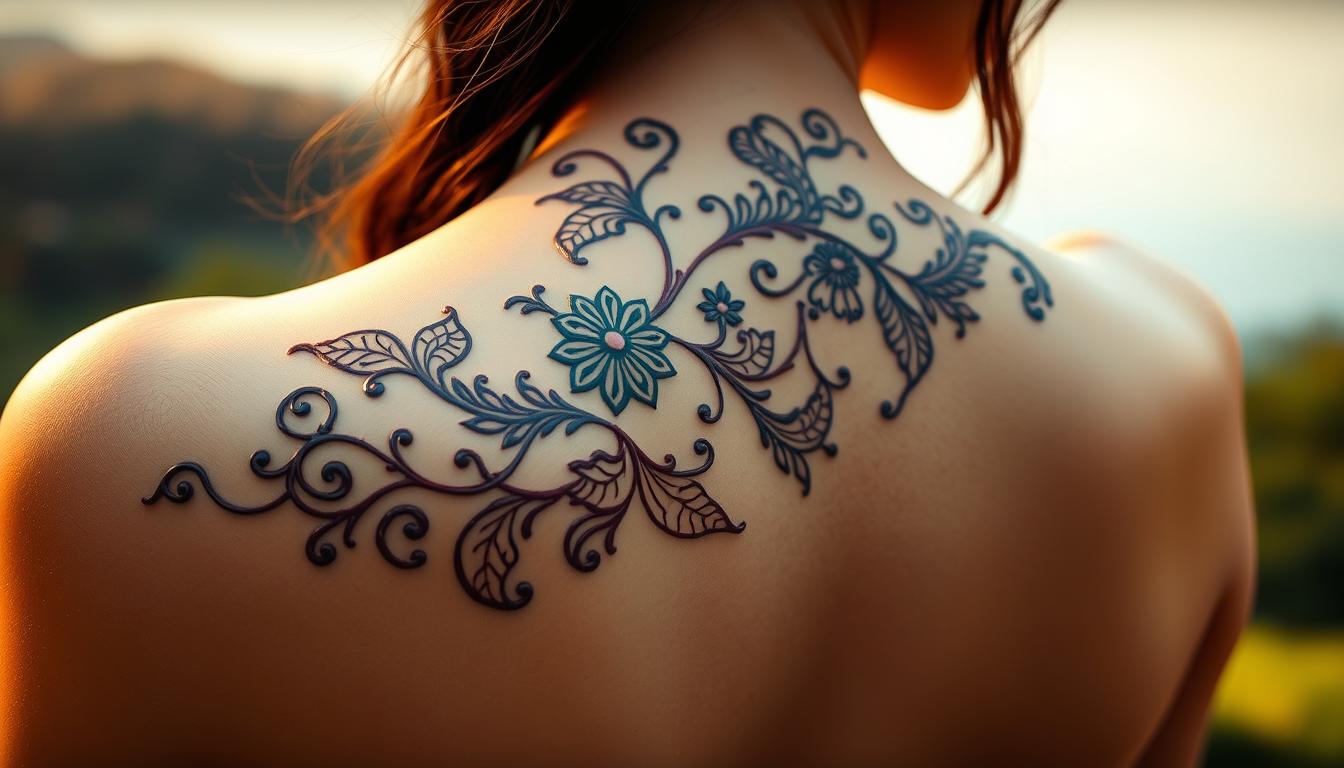
What if your skin could tell a story that fades as beautifully as it appears? For centuries, people worldwide have turned to natural dyes to create stunning body art that honors tradition while celebrating individuality. This ancient practice isn’t just about decoration—it’s a living connection to cultural heritage and personal expression.
Used in celebrations from weddings to festivals, these intricate designs symbolize joy, love, and transformation. The process itself becomes part of the event, often shared among friends and family during special occasions. Unlike permanent ink, this temporary alternative lets you experiment with bold patterns that evolve with your style.
You might wonder: Why does this art form endure across generations? Its appeal lies in the perfect balance of creativity and meaning. Each swirl and dot can represent personal milestones or cultural narratives, making every design uniquely powerful. Plus, the natural ingredients offer a safe way to adorn your body without long-term commitment.
Whether you’re drawn to its visual charm or deeper symbolism, this guide will help you explore everything from basic techniques to cultural context. Ready to uncover how this timeless tradition can become part of your story?
Key Takeaways
- Cultural roots spanning thousands of years across multiple civilizations
- Temporary nature allows creative experimentation without permanence
- Deep symbolic meanings tied to celebrations and personal growth
- Natural materials create safe, skin-friendly designs
- Blends artistic freedom with rich historical traditions
Introduction to Henna Tattoo Art
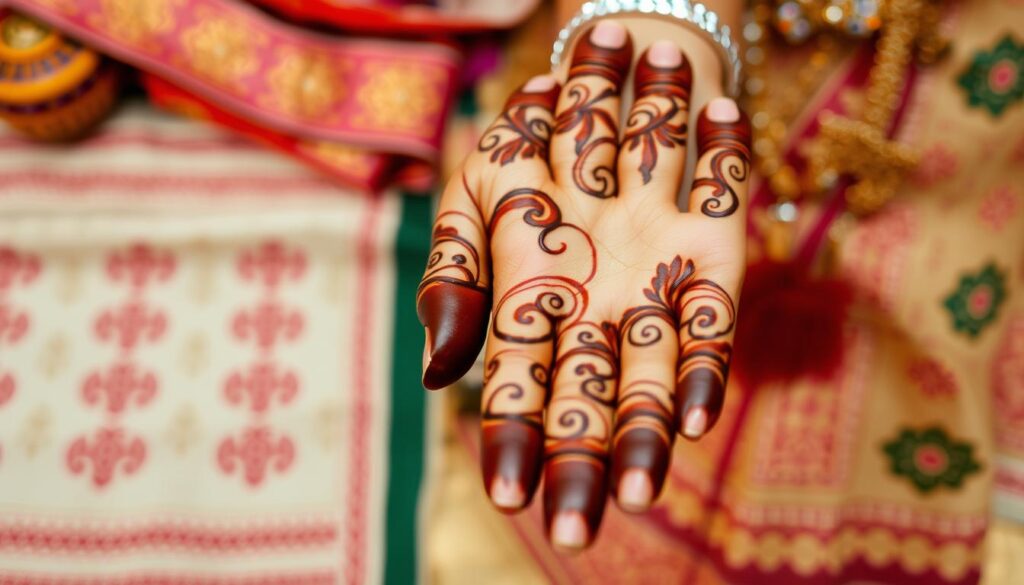
Imagine your skin becoming a canvas for stories older than written language. Celebrations across continents often feature intricate designs adorning hands and feet, blending artistry with meaningful rituals. These temporary masterpieces transform ordinary moments into cherished memories.
For thousands of years, people have used plant-based dyes to mark life’s milestones. Archaeologists discovered evidence of this practice in Bronze Age settlements, where natural pigments created lasting symbols of identity. What makes this art form unique is its ability to bridge eras—ancient patterns meet modern creativity on living skin.
You’ll notice these designs appear in weddings, festivals, and spiritual ceremonies worldwide. From Indian bridal rituals to Moroccan coming-of-age traditions, the patterns carry messages of hope and connection. Each swirl might symbolize fertility, while geometric shapes could ward off negative energy.
Unlike permanent ink, these temporary markings let you test bold styles without lifelong commitment. The color deepens over 48 hours before gradually fading—a poetic reminder of life’s fleeting beauty. Many find the application process itself therapeutic, as skilled artists turn skin into living lace.
Today’s designs honor heritage while embracing personal flair. You might see classic floral motifs beside minimalist linework or pop culture references. This fusion keeps traditions alive while inviting new generations to make the art their own.
What is Henna?
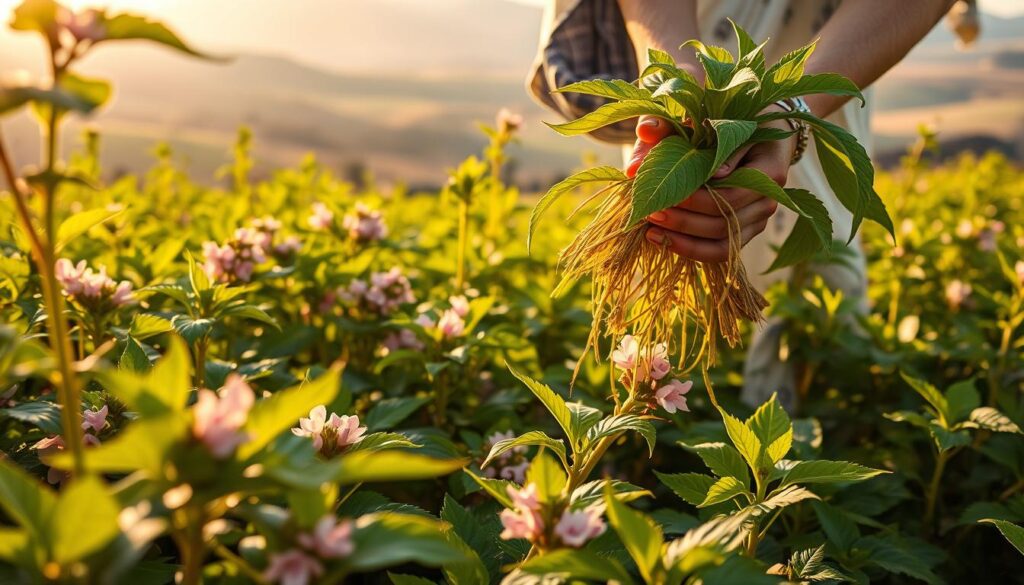
Behind every intricate design lies a remarkable natural process. The Lawsonia inermis shrub thrives in sun-baked regions of North Africa and South Asia, its small leaves hiding a powerful secret. For over 5,000 years, cultures have harvested this plant specifically for its coloring abilities.
The Science of Lawsone
Crushed leaves reveal their magic through lawsone molecules. These natural compounds remain dormant until mixed with acidic liquids like lemon juice. Fun fact: Fresh leaves won’t color your skin – the drying and powdering process breaks cell walls, releasing the dye agents.
| Plant State | Lawsone Availability | Staining Potential |
|---|---|---|
| Fresh Leaves | Bound in cells | None |
| Dried Powder | Partially released | Medium |
| Activated Paste | Fully available | Maximum |
Traditional Application Methods
Creating vibrant designs starts with proper preparation. Artists mix sifted powder with citrus juices or tea, then let the paste rest 12-24 hours. This waiting period allows lawsone molecules to become fully active.
Application tools have evolved from date palm twigs to precision cones. The best results come from:
- High-quality, body-safe powders
- Proper paste consistency (like toothpaste)
- Skillful hand application
After application, the paste stays on skin for 4-6 hours. As it dries, lawsone bonds with skin proteins to create that signature reddish-brown mark. The color deepens over two days before gradually fading – nature’s temporary masterpiece.
The Rich History and Cultural Significance of Henna
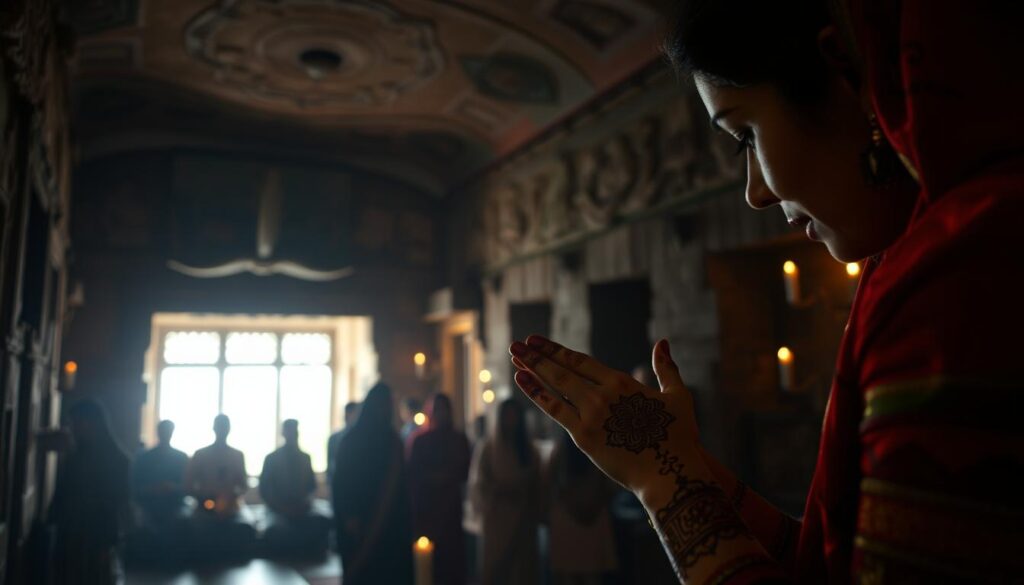
From royal tombs to bridal chambers, this natural dye has colored human history for millennia. Ancient Egyptians used it to adorn mummies’ hair and nails, showing its role in life and afterlife rituals. Archaeologists found wall paintings from 1680 BCE showing women with detailed hand patterns—proof this tradition spans nearly 4,000 years.
Ancient Origins and Traditions
The oldest wedding references appear in the Ugaritic legend of Baal and Anath. Women prepared for their husbands by marking skin with symbolic designs—a practice still alive today. You’ll find these patterns weren’t just decorative. They carried meanings of fertility, protection, and new beginnings.
Global Celebrations and Customs
Across religions and regions, the Night of the Henna became a shared celebration. Jewish, Muslim, and Hindu brides wore intricate designs before weddings, often joined by grooms. Communities believed the dye held blessings (Barakah), using it during Eid, Diwali, and birth celebrations.
Even animals weren’t left out! Historical records show decorated horses and salukis during festivals. This universal appeal—from human hands to paws—reveals how cultures cherished nature’s temporary beauty in their most meaningful moments.
Exploring Popular Henna Tattoo Designs
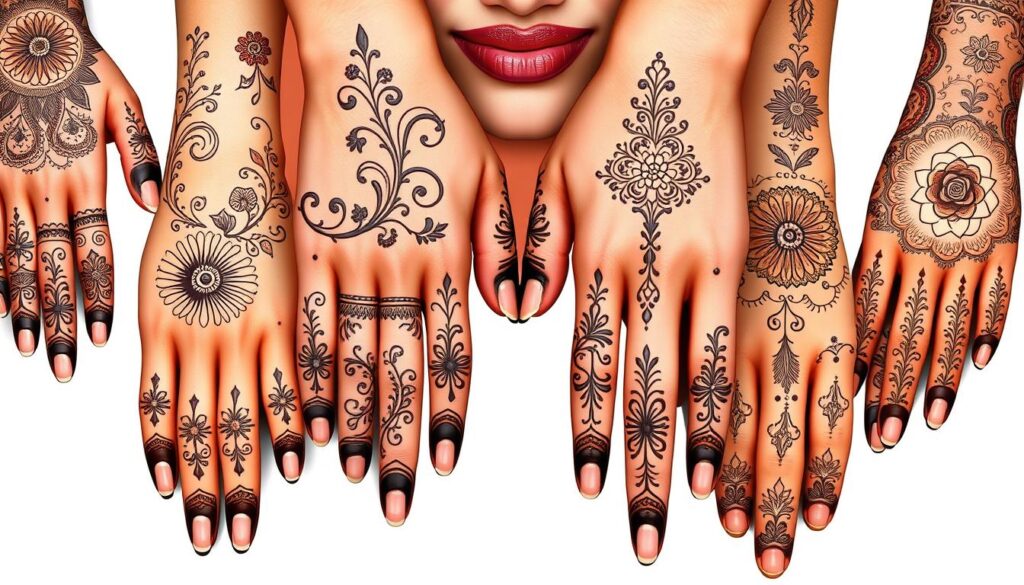
Your hands become living galleries where cultural heritage meets personal flair. Artists often blend time-honored symbols with fresh ideas, creating patterns that feel both familiar and uniquely yours. Whether you choose a pre-made design or collaborate on something original, these temporary masterpieces invite storytelling through every curve and dot.
Classic Motifs and Patterns
Floral elements dominate traditional styles across continents. Roses symbolize love in Middle Eastern art, while lotus blossoms represent purity in Asian traditions. South Asian celebrations feature paisley shapes—their curved teardrop forms echoing mango leaves as symbols of prosperity.
Geometric precision defines North African styles. Moroccan artists use triangles and diamonds to create striking symmetry, whereas Indian designs flow into mandala-like circles. These patterns often carry hidden meanings, like sun motifs for vitality or peacocks denoting beauty.
Modern Trends and Innovations
Contemporary artists reimagine heritage through minimalist approaches. Delicate finger vines and wrist cuffs offer subtle elegance for everyday wear. Personalization shines through hidden initials, anniversary dates, or stylish body art ideas that merge coordinates with floral borders.
Fusion styles thrive as creators mix cultural symbols with pop culture references. You might spot protective eyes from Turkish traditions blended with abstract linework or zodiac signs woven into arabesque patterns. This evolution keeps the art form vibrant, letting wearers honor roots while showcasing individuality.
How to Apply Your Henna Tattoo
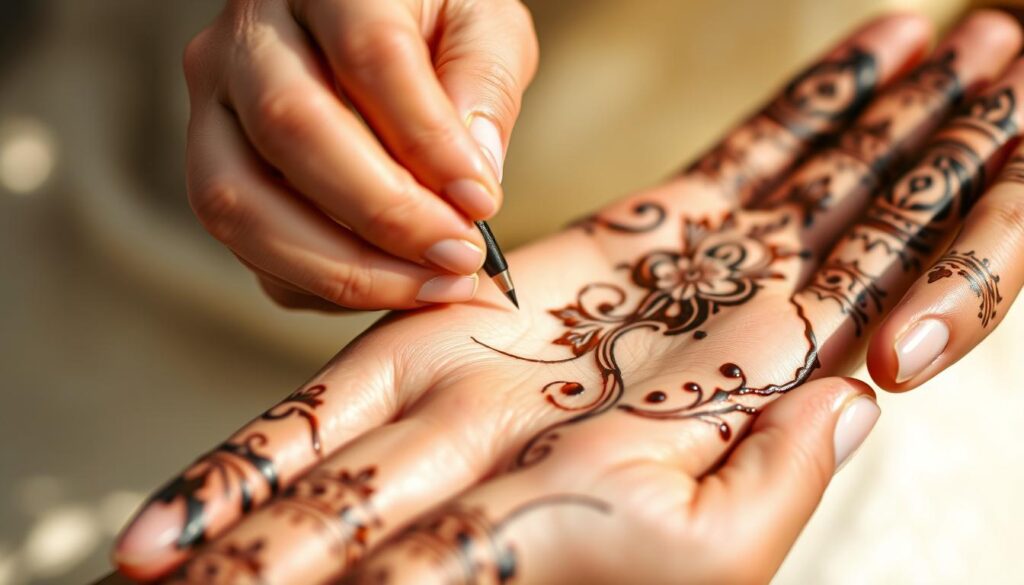
Transform your skin into a living canvas with these professional techniques. Master artists across cultures have refined their methods over centuries, creating a blend of science and artistry. Let’s explore the essential steps for stunning results.
Step-by-Step Application Process
Begin with quality powder sifted like flour. Mix it with lemon juice or strong tea—the acid activates the dye. Let the paste rest overnight. “The waiting game matters,” says Mumbai artist Priya Kapoor. “Fresh mixtures need time to release their color magic.”
Clean skin thoroughly before starting. Oils or lotions create barriers—use rubbing alcohol for best adhesion. Choose your tool: traditional syringes for bold lines or plastic cones for lace-like details. Practice pressure control on paper first.
Add sugar to your mixture for better stickiness. This prevents flaking during the 4-6 hour drying period. Start with large shapes, then fill in delicate patterns. Let each section set slightly before touching nearby areas.
Keep your hand steady like a calligrapher. Consistent speed creates uniform lines that darken beautifully. Rush the process, and you’ll get patchy results. Remember—good art can’t be hurried!
How to Care for Your Henna Tattoo
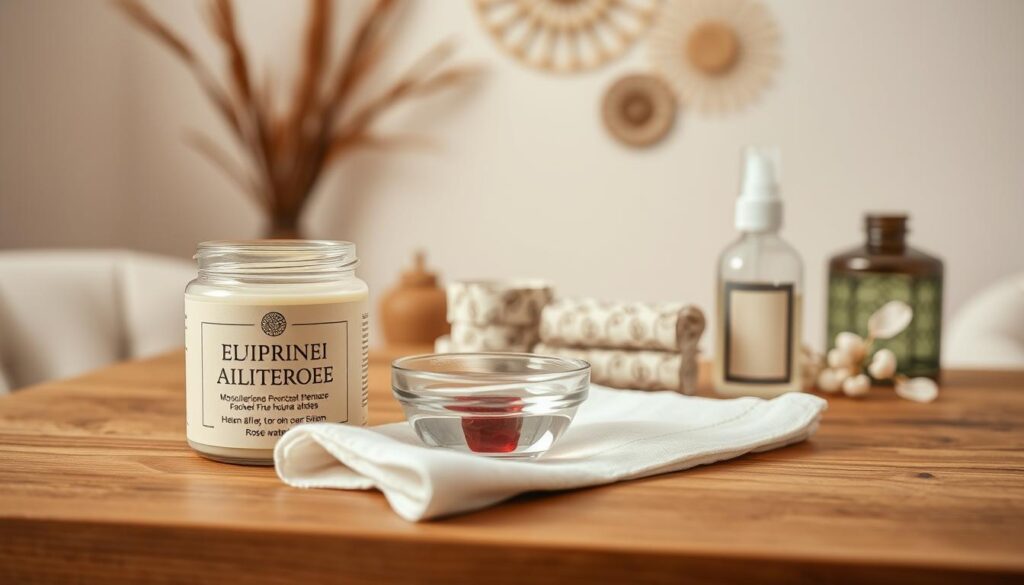
Your freshly applied body art needs proper attention to develop its full potential. Think of this stage as helping nature work its magic—patience pays off in rich, lasting color.
Drying, Setting, and Preservation Tips
Let the paste dry completely—usually 20-60 minutes. Humidity and temperature play big roles. A fan can speed things up, but avoid direct heat that might crack the design.
| Environment | Drying Time | Stain Intensity |
|---|---|---|
| Humid | 45-60 mins | Medium |
| Dry | 20-30 mins | High |
| Cool | 60+ mins | Low |
Natural flaking starts after drying. Resist picking! Leave the crust intact for 4-6 hours—overnight stays yield deepest stains. Wrap hands in breathable fabric if you need to sleep with the paste.
Sugar Water and Lemon Techniques
Mix 1 tsp sugar with 2 tbsp lemon juice. Dab this syrup over dried paste using cotton balls. The acidity locks in dye while sugar acts as natural adhesive. “This combo boosts color depth by 40%,” notes body artist Layla Hassan.
Avoid water contact for 24 hours after removal. When washing, skip soap—it strips developing pigment. Your design will darken over 48 hours, revealing its true richness through proper care.
Henna Tattoo Longevity and Removal
Your temporary body art’s lifespan depends on several key factors. Where you place the design and how you care for it determine whether patterns last days or weeks. Let’s explore how to maximize wear time and remove stains safely when you’re ready for a refresh.
Factors Affecting Tattoo Duration
Body areas with thicker skin like palms typically hold color longer—up to three weeks. Oily zones like faces fade faster, often within days. Aftercare matters too: designs last longer when kept dry for 24 hours and moisturized afterward.
Paste quality plays a role. Fresh mixtures with proper citrus activation create richer stains. Avoid water exposure during the first day, as it stops the dye from bonding fully with your skin proteins.
Safe Removal and Exfoliation Methods
When ready to remove your design, gentle exfoliation works best. Mix olive oil with sugar to create a natural scrub. Massage in circular motions—this lifts pigment without irritating your skin.
For stubborn stains, try lemon juice-soaked cotton balls. The acid breaks down remaining dye molecules. Most marks disappear completely within days, but deeper applications might take extra weeks to fade naturally.