
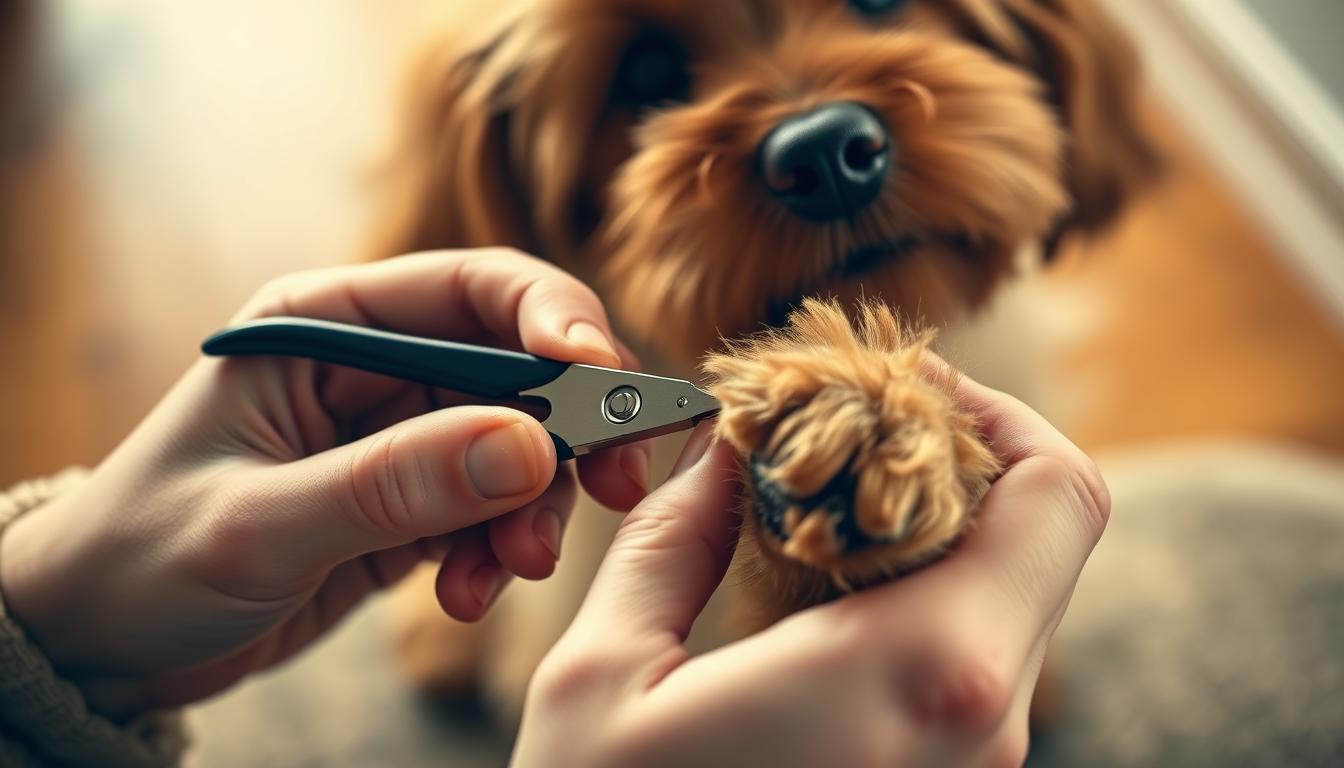
What if avoiding this simple task is secretly harming your furry friend? Many pet parents dread nail maintenance, but regular care does more than prevent scratches on hardwood floors. It’s about keeping your companion comfortable and mobile.
Overgrown nails can cause joint pain and posture issues over time. Proper trimming prevents these hidden dangers while strengthening your bond through gentle handling. You might be surprised how stress-free this routine becomes with the right approach.
This guide focuses on building confidence through preparation. Discover which tools professionals recommend for different breeds and temperaments. Learn to read your pet’s body language to create calm sessions that protect those delicate quick veins.
While groomers offer expert help, mastering this skill saves money and reduces anxiety for pets who dislike car rides. We’ll show you when DIY makes sense—and when to call in reinforcements. Ready to turn nail care from a chore into a trust-building ritual?
Key Takeaways
- Regular maintenance prevents long-term health issues
- Quality tools ensure safer, more efficient sessions
- Understanding canine body language reduces stress
- Proper technique protects sensitive quick veins
- Home grooming strengthens owner-pet relationships
- Professional help remains valuable for complex cases
Preparing for a Successful Nail Trim
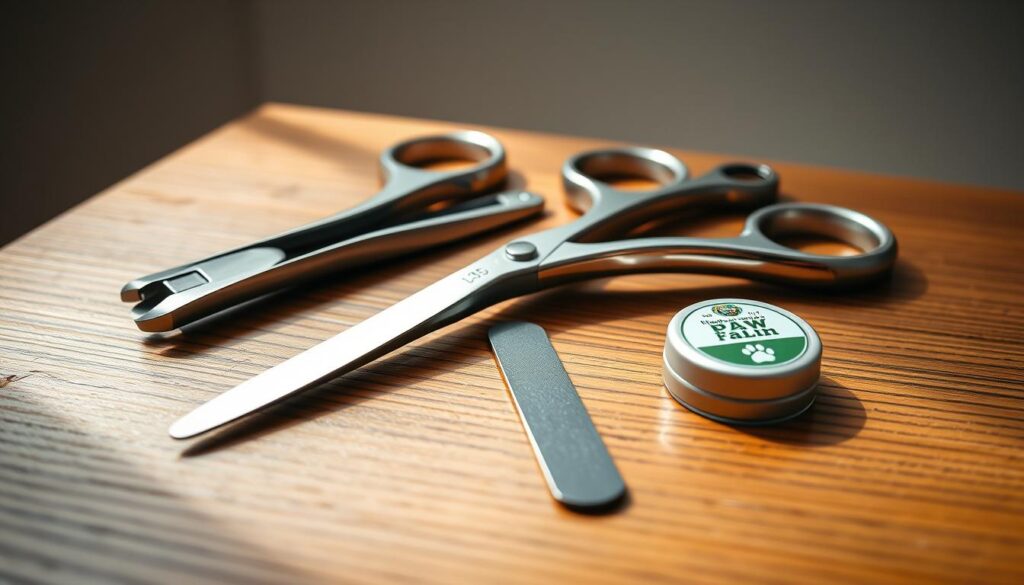
Your pet’s comfort starts with smart preparation. Having the right tools transforms nail care from stressful to streamlined, especially for first-timers. Let’s explore what you need to create calm, controlled sessions.
Gathering the Right Tools
Start with clippers matching your pet’s size. Scissor-style works best for tiny paws, while plier-types handle thick nails on larger breeds. Always keep styptic powder nearby—it stops bleeding if you nick the quick. A bright lamp helps spot translucent tips on light-colored nails.
Reward-focused sessions? Keep small treats within reach. Nervous pets might appreciate a non-slip mat or towel wrap. For multi-dog households, label each set of nail clippers to prevent mix-ups.
Understanding Nail Clippers and Grinders
Not all tools work equally. Guillotine-style trimmers often cause uneven cuts, while rotary grinders gently file down thick or dark-colored nails. Consider noise levels and fur length before choosing.
| Tool Type | Best For | Considerations |
|---|---|---|
| Scissor Clippers | Small breeds | Precise control |
| Plier Clippers | Large/strong nails | Heavy-duty spring |
| Rotary Grinder | Black nails | Quiet models available |
Grinders require practice but reduce quick injuries. Start with short sessions if your pet dislikes vibrations. Pair every trim with praise—positive associations make future grooming easier.
Understanding the Importance of Nail Trimming
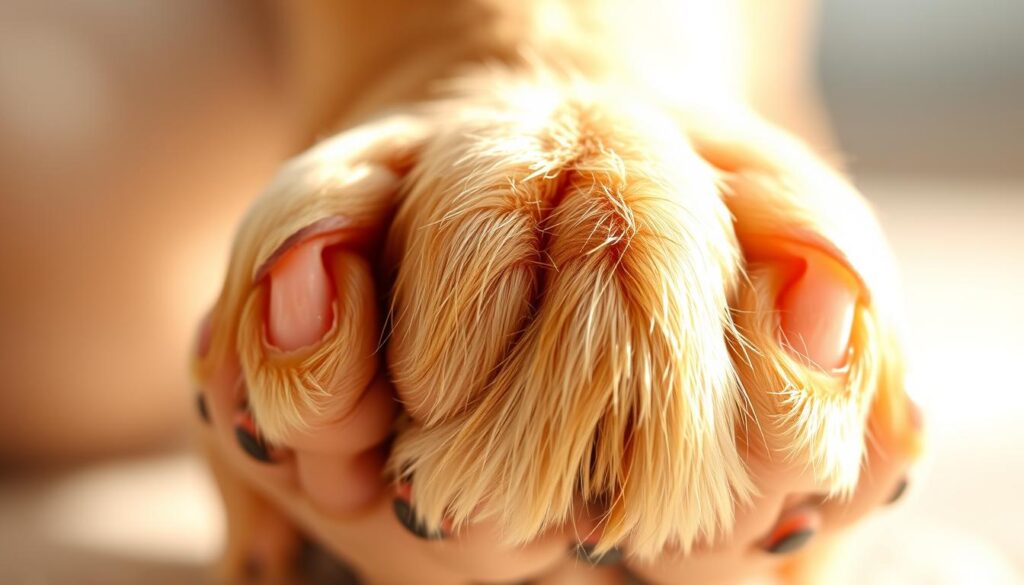
Your furry friend’s paws do more than just walk—they’re the foundation of their well-being. Neglected claws force toes to twist sideways, altering natural posture. This subtle shift strains joints like a misaligned wheel on a car.
The Health Benefits for Your Dog
Overgrown claws create immediate risks. Curved tips can pierce paw pads, inviting infections that need vet care. Every step becomes uncomfortable when nails tap floors instead of retracting naturally.
Long-term effects prove even more concerning. Extended quicks limit how short you can trim later. Years of uneven pressure may lead to arthritis or permanent joint damage. One groomer notes: “Pets with maintained nails move like puppies well into senior years.”
Regular maintenance prevents these hidden threats. Four-week intervals keep quicks receded and paws springy. Active pups on pavement might need less frequent trims—listen for that telltale click-clack on tiles.
Beyond physical health, proper care reduces anxiety. Pets with trimmed nails grip surfaces better, feeling secure during play. This confidence translates to calmer behavior during grooming sessions and vet visits.
How to Cut Dog Nails Safely
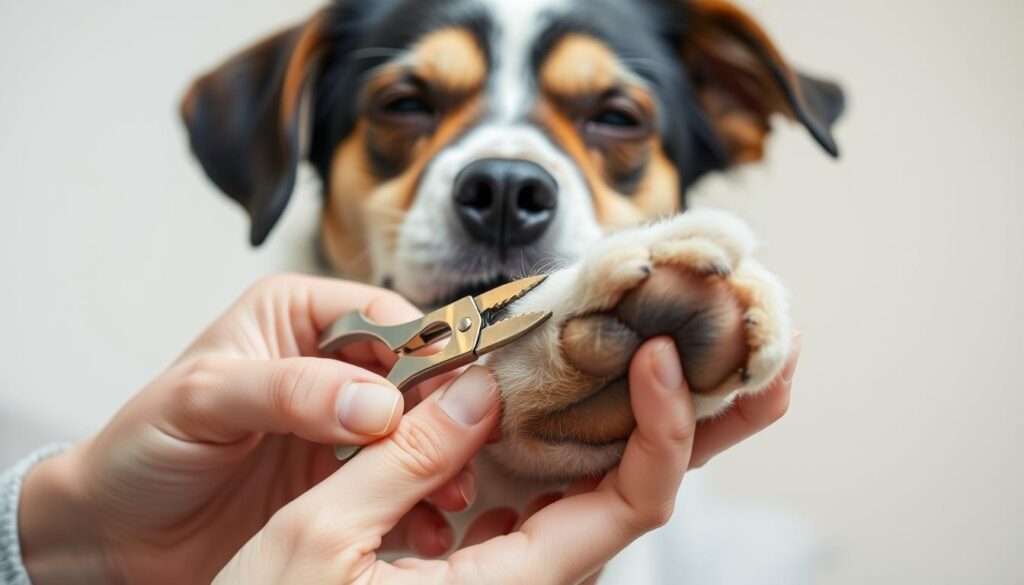
Building trust during grooming begins with precision and awareness. Position your companion comfortably on their side or standing—never force limbs into awkward angles. Proper restraint prevents sudden movements while maintaining natural joint alignment.
Navigating Sensitive Areas
Identify the quick by examining the nail’s cross-section. Light-colored claws reveal a pinkish core, while dark ones show a chalky gray center after careful filing. Groomers suggest: “Trim millimeter by millimeter if uncertain—patience prevents accidents.”
Keep styptic powder within arm’s reach. If bleeding occurs, apply gentle pressure for 30 seconds. Most minor nicks heal quickly when addressed calmly.
Effective Clipping Methods
Start by massaging paws during cuddle sessions to normalize touch. Introduce clippers gradually—let your pet sniff them while offering chicken bits. When ready:
- Hold the tool perpendicular to the nail bed
- Make angled cuts following natural curvature
- File sharp edges with a rotary grinder
Reward every successful trim immediately. Nervous pets might prefer multiple short sessions weekly. Remember—dewclaws require attention too, as they don’t wear down naturally.
End each session with playtime or walks. This positive reinforcement helps associates paw care with enjoyable activities, reducing future resistance.
Techniques and Tips for Different Dog Sizes
Tailoring your approach ensures every paw gets the care it deserves. Smaller companions often need gentler handling, while larger breeds require sturdy tools. Matching methods to your pet’s build prevents slips and keeps sessions efficient.
Choosing the Right Style for Small and Large Dogs
Scissor-style dog nail clippers work wonders for toy breeds. Their compact design allows precise trimming without straining delicate paws. Always angle blades away from the pad to avoid accidental nicks.
Bigger buddies? Opt for plier-type tools with ergonomic grips. These handle thick nails effortlessly. For black dog claws, a nail grinder offers better visibility. Its gradual filing minimizes quick exposure.
Short-coated pets might tolerate rotary tools, but long fur demands extra caution. Wrap fuzzy paws in a towel to keep hair clear. Reward calm behavior with treats—positive reinforcement builds trust over time.
Regular maintenance keeps nails short and quicks receded. Check every 3-4 weeks, adjusting frequency based on activity levels. Remember: consistency turns grooming into a bonding moment you both enjoy.