
What if you could achieve salon-quality manicures without leaving your couch? While many assume professional results require expensive appointments, countless beauty enthusiasts are now mastering polished, chip-resistant designs in their living rooms. This guide reveals the secrets to creating flawless finishes that last weeks—not days.
You’ll learn exactly which tools deliver durable, glossy perfection—and how to sidestep common errors like uneven layers or premature peeling. We’ve condensed years of expertise into a simple process anyone can follow, whether you’re a first-timer or a DIY pro.
Why spend $50+ per salon visit when your kitchen table can become a personal nail studio? With the right techniques, your creations will rival those of seasoned technicians. Let’s transform your approach to self-care with methods that save time, money, and frustration.
Key Takeaways
- Essential tools for durable, glossy finishes
- Proper nail prep steps most beginners skip
- Why curing time makes or breaks your design
- How to avoid sticky residue and lifting edges
- Cost-saving alternatives to salon visits
- Pro tips for salon-like results every time
Introduction to DIY Gel Nails
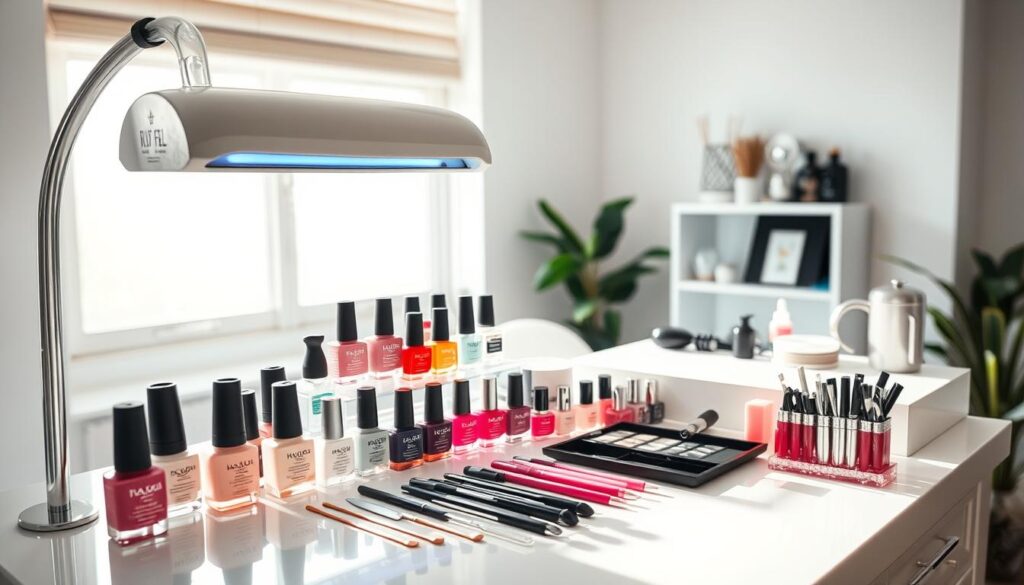
Imagine skipping traffic-filled drives and awkward small talk while still getting flawless polish that lasts weeks. That’s the freedom of mastering your own manicures. Like many, I bought supplies years ago but gave up after messy attempts—until salon frustrations pushed me to try again.
Why Your Living Room Beats the Salon Chair
At-home care offers more than savings. You control the music, lighting, and schedule. No rushing appointments or settling for technicians who rush your stiletto nail ideas. One bad experience—like a judgmental artist who scoffed at my smudged polish—sealed my switch to DIY.
From Frustration to Fabulous Results
My first tries were disasters: sticky layers and peeling edges. Turns out, I’d skipped crucial prep steps and used cheap products. After studying techniques and investing in quality tools, everything clicked. Now, I enjoy movie marathons while curing each coat—no eye-rolls or time wasted.
Key advantages emerged:
- Saved 3+ hours monthly on salon commutes
- Freedom to experiment with bold designs
- Consistent results without technician roulette
Why Choose Gel Nails at Home?
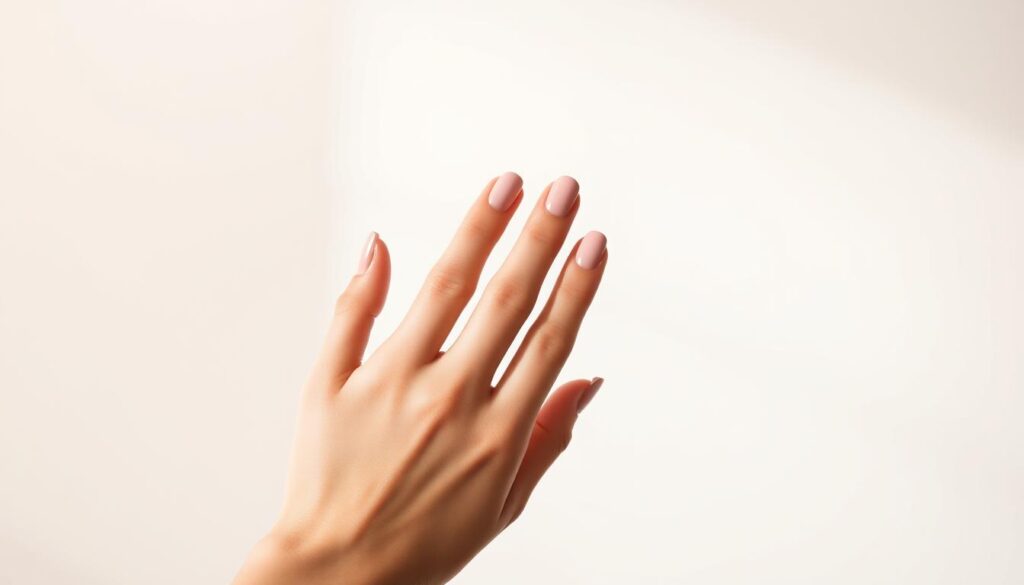
Reclaim your evenings and bank account while creating stunning manicures. Picture this: your favorite show plays as you cure each layer, multitasking without rushing. No more rearranging your day for appointments or sitting in traffic.
Quality supplies pay for themselves fast. One $80 kit replaces six $50 salon visits. That’s $220 saved annually—enough for a weekend getaway. You control every detail, from midnight metallic accents to sunrise pastels.
Salon frustrations vanish. Forget technicians who dismiss your “too intricate” design ideas or charge extra for nail art. Your living room becomes a judgment-free zone where creativity thrives.
Time savings stack up quickly. A typical appointment eats 2+ hours with travel and drying time. DIY sessions fit into pockets of your schedule—during laundry cycles or before virtual meetings.
Comfort matters. Wear pajamas, sip tea, and pause whenever needed. No awkward small talk or cramped waiting areas. Just you, your polish, and the freedom to get gel results exactly how you envision them.
Gathering Your Essential Supplies
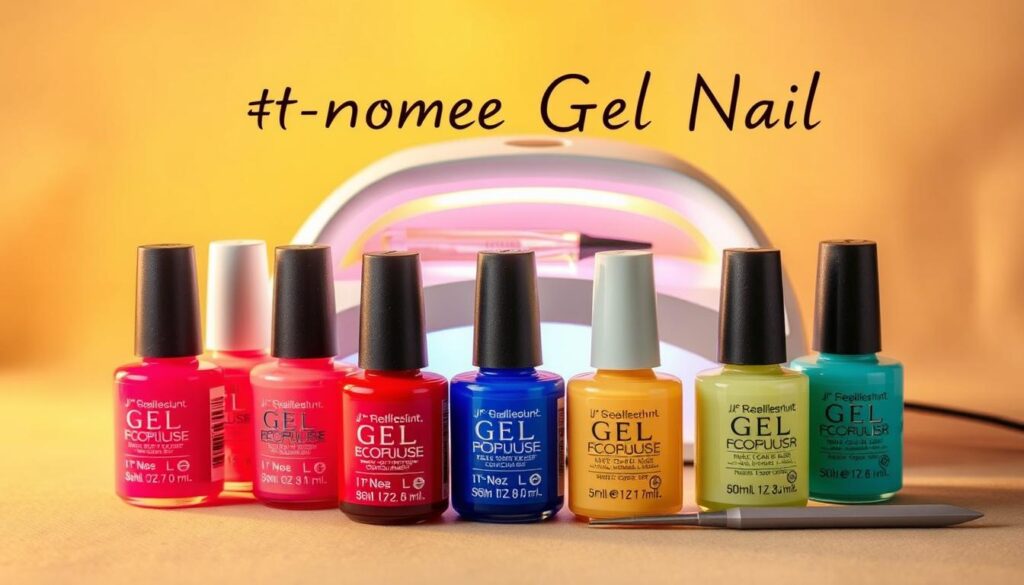
Your nail studio’s success hinges on strategic tool selection. While excitement might push you toward trendy color palettes first, proper prep materials ensure lasting results. Think of these supplies as your artistic foundation—they’ll transform shaky attempts into polished perfection.
Must-Have Tools and Products
A 48W LED lamp cures layers evenly, preventing sticky residue. Pair it with acetone-soaked cotton pads for efficient removal. Glass nail files outperform emery boards by creating smoother edges that resist chipping.
| Essential | Purpose | Budget Pick |
|---|---|---|
| LED Lamp | Cures polish | $64 Amazon option |
| pH Bond | Improves adhesion | Gelish Starter Kit |
| Cuticle Remover | Cleans nail bed | Blue Cross Liquid |
| Rubbing Alcohol | Degreases surface | 91% Isopropyl |
Product Recommendations from Top Sources
OPI’s base coats create durable canvases for pink and white designs. Gelish top coats add mirror-like shine without bubbles. For removal, Target’s store-brand acetone works identically to pricier versions.
“Invest in a quality buffer—it’s the unsung hero of chip-resistant manicures.”
Skip disposable files and opt for reusable glass variants. Store cleanser in pump bottles to control spills during quick touch-ups. With these products, your home setup rivals any salon station.
Preparing Your Nails for Gel Application
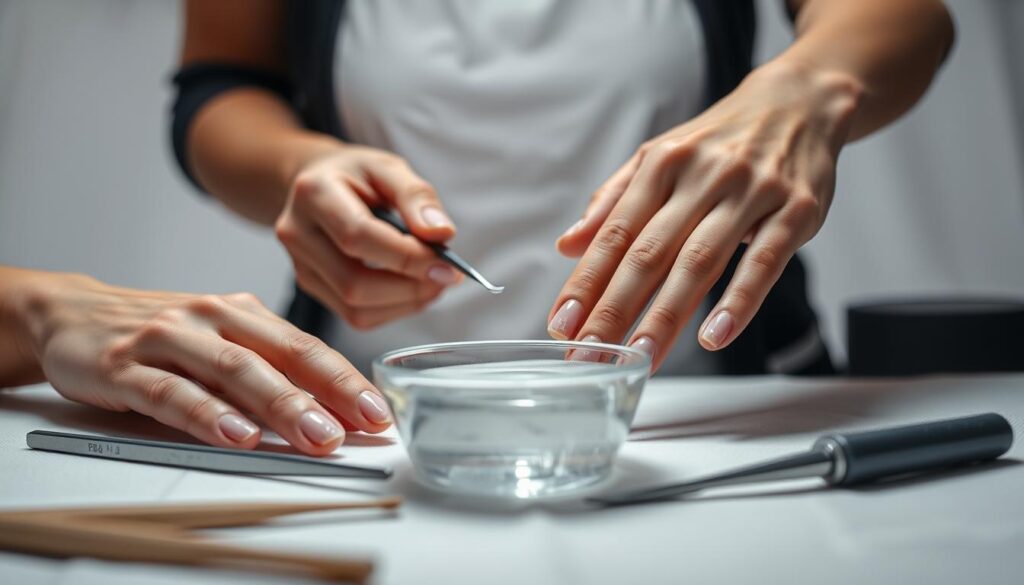
Transform your nail prep routine into a spa-like ritual that ensures flawless adhesion. Proper groundwork separates chip-prone manicures from designs that withstand typing, gardening, and dishwashing marathons.
Cleaning, Buffing, and Degreasing
Begin by tackling existing color. Saturate quartered cotton pads with acetone, secure them with clips, and let them work while you unwind. After 15 minutes, gently scrape off residue using a steel tool.
Next, grab your nail file to shape edges. Glass files create smooth contours that resist snagging. Buff surfaces lightly—just enough to eliminate shine without thinning nails. This step creates microscopic grooves for better grip.
Wash hands with water (skip soap!) to remove debris. Dry thoroughly, then swipe each nail with rubbing alcohol or specialized cleanser. Oils sabotage adhesion, so this degreasing phase proves non-negotiable.
Cuticle Care and Softeners
Apply cuticle remover liquid and wait 60 seconds. Gently push back skin with an orange stick, then trim overgrowth using sharp nippers. “Rushed cuticle work causes lifting,” notes Manhattan nail artist Lila Chen. Make sure no loose skin remains around the cuticle line.
Finally, apply pH bond to your clean, dry nails. This invisible base layer neutralizes moisture and creates the ultimate sticky surface for your gel polish. Your canvas now awaits color magic!
Step-by-Step Guide: How to Do Gel Nails at Home
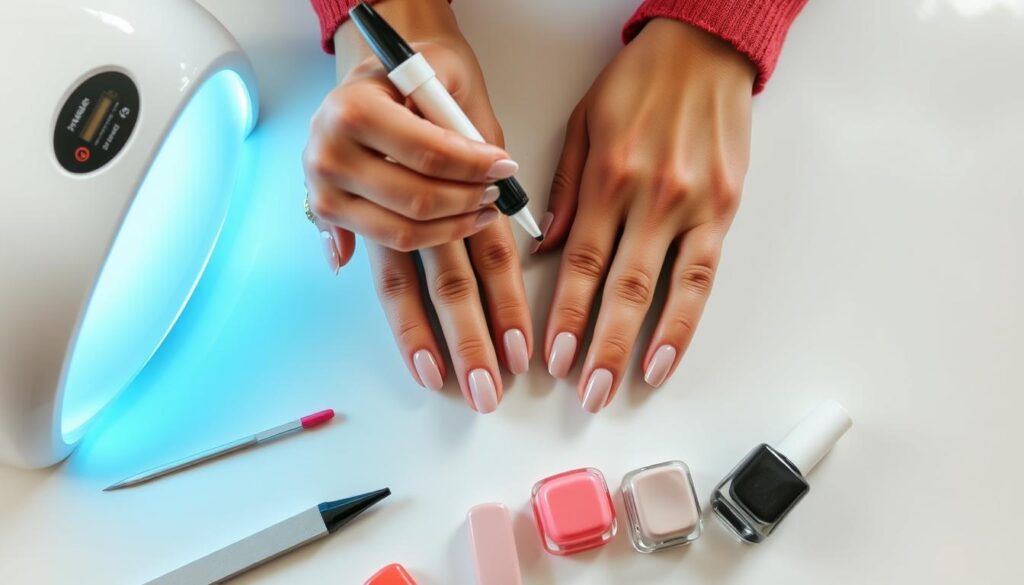
Ever wondered why salon manicures outlast your DIY attempts? The secret lies in a precise nine-stage process that locks color to your natural nail bed. Let’s break down each phase using your carefully gathered supplies.
First, remove existing polish completely. Soak cotton pads in acetone, press them onto nails, and wrap with foil for 12 minutes. Gently scrape off residue using a wooden stick—never force it. “Rushed removal causes surface damage,” warns celebrity manicurist Jenna Park.
Next comes shaping and buffing. Use a glass file to create uniform edges, then lightly rough the surface. Wipe nails with alcohol to eliminate oils—this ensures your gel polish adheres properly. Apply pH bond like invisible glue, letting it dry 30 seconds.
Now for the magic:
- Paint thin base coats—cure 60 seconds under LED light
- Add color in sheer layers, curing each 45-60 seconds
- Seal with glossy top coat, wiping sticky residue post-cure
Patience pays off. Thick layers bubble and peel, while proper curing creates rock-hard durability. Set a timer—time management separates professional results from amateur messes.
Your final creation? Chip-resistant brilliance that lasts 21 days. Once you get gel application rhythm down, experimenting with ombré effects or glitter accents becomes effortless. Remember: mastery comes through repetition, not luck.
Applying Base and Bonding Layers
Perfecting your base layers is like laying a strong foundation for a house—it determines how well everything else holds up. Start by brushing pH Bond across each nail. This invisible primer dries quickly while removing oils that sabotage adhesion.
The Importance of a Thin Base Coat
Apply your base coat gel in paper-thin layers. Imagine painting with watered-down ink—if you see streaks, you’re on the right track. Thick globs create uneven surfaces and premature peeling, especially near the cuticle line. For those experimenting with nail extensions, this step becomes even more critical.
Curing Under the UV or LED Lamp
Position your hand palm-up under the lamp after coating four nails. Cure for 60 seconds—set a timer! Repeat with the thumb separately to ensure full coverage. Proper curing transforms liquid polish into a durable shield that resists chips for weeks.