
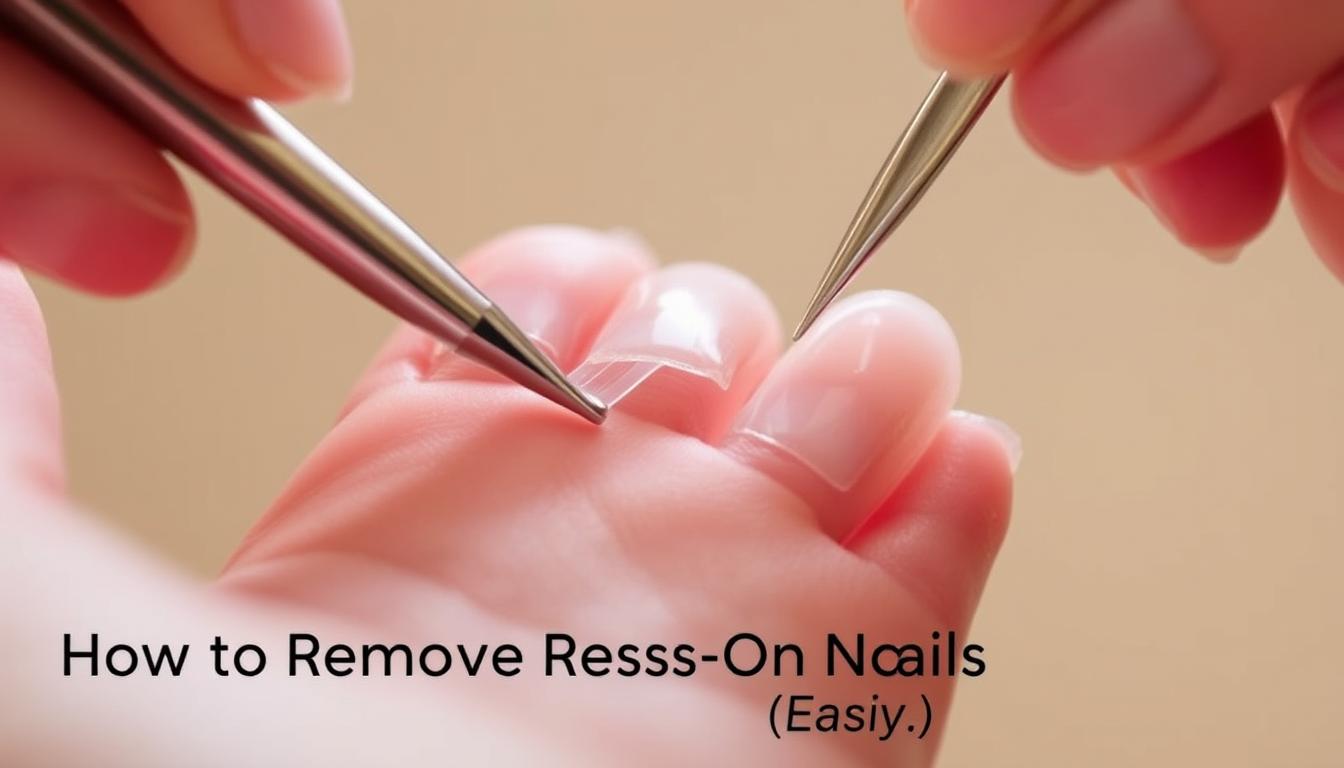
Ever wonder why some people effortlessly remove their adhesive manicures while others end up with brittle, peeling nails? The secret lies in understanding your nails’ needs—not just how to apply temporary sets, but how to safely free them without compromising your natural base.
Press-on nails offer instant glam, but improper removal can strip your nail beds of moisture and strength. Think of them like temporary tattoos for your fingertips: gentle care ensures they don’t leave a mark. Ripping them off might save time, but it risks tearing layers of keratin or creating painful separations.
Your approach depends entirely on the adhesive used. Sticky tabs? A warm soak might do. Nail glue? You’ll need patience and oil. We’ll guide you through every scenario, whether you’re salvaging reusable sets or prioritizing speedy removal before an event.
Key Takeaways
- Proper techniques preserve both your natural nails and reusable press-ons
- Forcing nails off risks thinning, peeling, and permanent damage
- Removal methods vary based on adhesive type (tabs vs. glue vs. gel)
- Essential tools include oils, files, and acetone-free solutions
- Wait at least 5-7 days before removing for easier adhesive breakdown
- Signs of readiness include slight lifting at the cuticle area
Understanding Press-On Nails and Their Benefits
Imagine having salon-quality results without the salon wait. Press-on nails deliver polished perfection in minutes, letting you skip appointments and save money while keeping up with trends. Their rising popularity stems from convenience meeting creativity – a win for busy lifestyles.
Why Choose Press-On Nails?
Traditional manicures require hours of drying time and frequent touch-ups. With reusable sets, you achieve identical elegance in under 15 minutes. They’re ideal for last-minute events or when your schedule shifts unexpectedly.
Cost savings add up quickly. A $10 kit often includes multiple designs, while salon visits average $40+ per session. You also dodge harsh UV lights and chemical smells common in gel treatments.
The Versatility of Reusable Nails
Quality sets survive 3-5 uses when handled carefully. Switch between French tips today and neon art tomorrow without waste. Sticky tabs offer temporary wear for weekend fun, while glues extend wear to 12+ days.
Seasonal patterns, glitter accents, and matte finishes let you express yourself freely. Unlike acrylics, they protect your natural base by avoiding drills and excessive filing. Proper removal keeps both your fingertips and press-ons ready for the next adventure.
Preparing for a Safe Press-On Nail Removal
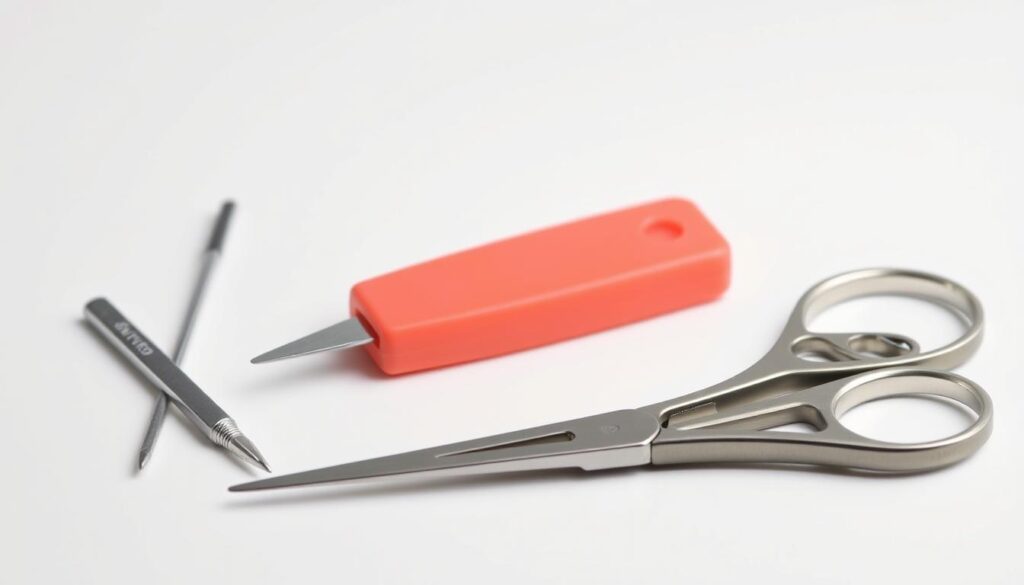
Ready to swap designs without wrecking your fingertips? Success starts with smart prep work. Gather your supplies first – scrambling mid-process increases accidental damage risks. Then, evaluate your natural nails to customize your approach.
Gathering Essential Tools
Create a station with a shallow bowl, mild dish soap, and warm water. Add a cuticle oil or baby oil to soften adhesive. Keep a file nearby for smoothing edges and a wooden stick for gentle lifting. Avoid metal tools – they’re harsh on delicate surfaces.
Skip harsh chemical products unless dealing with stubborn glue. Cotton balls help wipe away residue. Position everything within arm’s reach to maintain focus during removal.
Assessing Your Nail Health
Check for peeling layers or redness around cuticles. Thin or brittle nails need extra hydration – apply oil 10 minutes before starting. If edges lift naturally, warm water soaking may suffice. For tightly bonded sets, prioritize slow adhesive breakdown.
Notice cracks or splits? Use minimal pressure when lifting. Healthy nails handle quicker methods, but compromised ones demand patience. Adapt your strategy to protect what grows naturally.
Step-by-Step Removal Using Warm Soapy Water
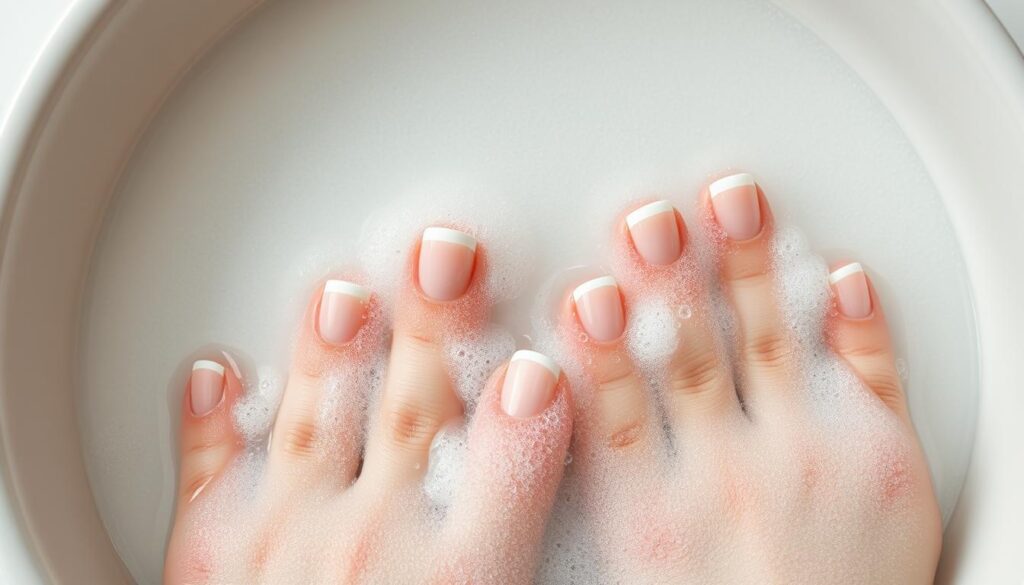
Transforming your manicure doesn’t have to mean sacrificing nail health. This gentle technique works wonders for temporary adhesive tabs and reusable sets. Let’s explore the perfect balance between effectiveness and care.
Soaking to Loosen Adhesive
Start with a bowl of warm water – aim for 100°F (like a soothing bath). Mix 1 tablespoon of mild dish soap per cup of water. Add 3-4 drops of baby oil to help break down the adhesive while nourishing your skin.
| Soak Time | Water Temperature | Effectiveness |
|---|---|---|
| 10-15 minutes | Lukewarm | Partial release |
| 20-30 minutes | Warm (100°F) | Full adhesive breakdown |
| 30+ minutes | Cooling | Diminished results |
Keep hands submerged with palms down. Gently wiggle fingertips every 5 minutes. You’ll feel a subtle “float” effect when the bond weakens. Never pry nails upward – let the solution do the work.
Precautions to Avoid Damage
Extreme heat dries out skin. If the water feels uncomfortable, cool it slightly. Pat hands dry with a microfiber cloth instead of rubbing. Apply cuticle oil immediately after removal to restore moisture.
Notice resistance? Extend soaking by 10-minute intervals. Forced removal risks tearing – patience preserves both your natural nails and reusable sets. Remember: A slow soak beats quick damage every time.
Expert Tips on how to get press on nails off
Timing is your secret weapon for flawless removal. While you might think fresh adhesive bonds stronger, the opposite proves true. Natural oils from your skin and daily hand movements gradually soften glue over days.
“The sweet spot arrives when adhesive weakens enough for easy sliding but before edges catch fabrics,” explains manicurist Lila Chen. “This prevents both damage and wardrobe mishaps.”
Adhesive Lifespan Guide
| Adhesive Type | Ideal Wear Time | Removal Readiness Signs |
|---|---|---|
| Sticky Tabs | 1-3 days | Full nail lifts with slight pressure |
| Standard Glue | 5-7 days | Cuticle gap visible |
| Gel Adhesive | 10-14 days | Edge separation when tapping |
Notice a 1mm space near your cuticles? That’s nature’s green light. Test one nail by gently pushing sideways. If it glides smoothly, proceed. Resistance means more waiting.
Rushing leads to sticky situations – literally. Early removal leaves glue residue requiring extra scraping. Let your body’s chemistry work magic. After day five, most bonds become pliable.
For emergency removal before the ideal window, use oil-soaked cotton instead of brute force. Your natural nail layers stay protected when you respect the process.
Acetone Removal: When and How to Use It
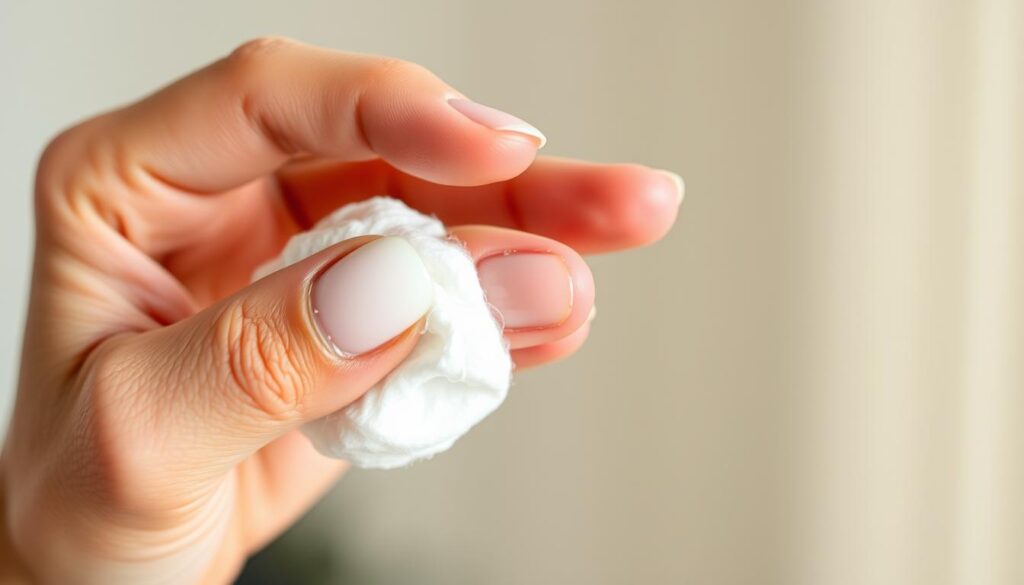
Strong adhesives demand smarter solutions. When press-ons cling stubbornly – especially those applied with builder gel or professional glue – pure acetone becomes your strategic ally. This method works best for single-use sets you don’t plan to reuse, as the chemical alters both adhesive and solar nails material.
Proper Use of 100% Acetone
Skip regular polish remover – its diluted formula can’t tackle tough bonds. Pour 100% acetone into a glass bowl (plastic melts!), filling just enough to submerge fingertips. Soak for 15-20 minutes, gently swirling nails occasionally. You’ll feel the press-ons loosen as the adhesive dissolves.
Safety Measures to Protect Natural Nails
Work in a ventilated area to avoid fumes. Dab petroleum jelly around cuticles beforehand – it shields skin from dryness. Use an orange stick to lift edges gently after soaking. Never scrape; residual glue wipes away with oil-soaked cotton.
Remember: acetone strips natural oils. Follow up with a nourishing soak in warm water mixed with jojoba oil. Your nail beds will thank you with renewed strength and shine.
Alternative Techniques: Foil, Cotton, and Other Tools
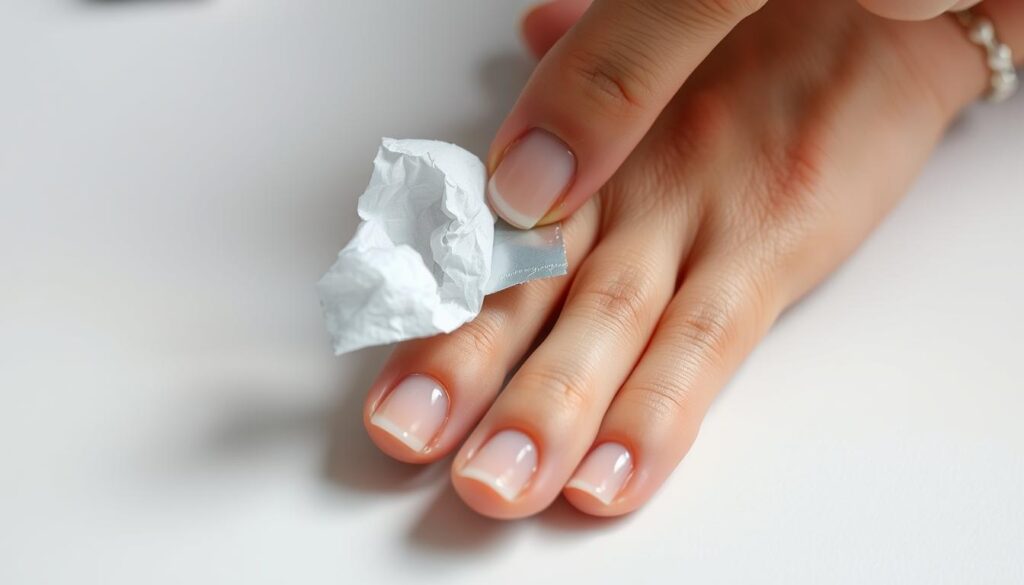
Struggling with stubborn adhesive? You’re not alone. When standard soaking doesn’t cut it, targeted solutions preserve your natural nail surface while dissolving tough bonds. Let’s explore professional-grade methods that combine precision with care.
Using Foil and Acetone Together
This salon-inspired approach concentrates acetone exactly where needed. Tear cotton pads into nail-sized pieces, saturate them with 100% acetone, and press onto each fingertip. Wrap tightly with aluminum foil – or try plastic food wrap for a drip-free seal recommended by dermatologists.
“Plastic wrap conforms better to finger shapes, reducing chemical exposure to surrounding skin,” notes the American Academy of Dermatology.
Wait 15-20 minutes while watching your favorite show. Test one nail by sliding an orange stick under the edge. If resistance remains, re-wrap for 5-minute intervals. Always work in ventilated spaces to avoid harsh fumes.
Comparing Alternative Methods
Choose your strategy based on urgency and workspace:
| Method | Best For | Setup Time |
|---|---|---|
| Foil Wrap | Single stubborn nails | 5 minutes |
| Plastic Wrap | Full hand treatments | 7 minutes |
| Bowl Soaking | Quick removal | 2 minutes |
After dissolving adhesive, gently remove press-ons using sideways motions. Never pry upward – residual glue should wipe away with oil. Buff any rough edges with a fine-grit file, keeping your natural polish intact.
Stuck with unyielding tips? Reapply fresh acetone-soaked cotton under new wraps. Still no luck? Switch to warm oil soaks – sometimes moisture beats chemicals. Your nails deserve adaptable solutions.
Post-Removal Care for Natural Nails
Your fingertips deserve pampering after freeing them from temporary glam. Gentle recovery steps maintain strength while preventing brittleness – think of it as a spa day for your natural nails.
Moisturizing and Nourishing Your Nails
Hydration is key. Massage cuticle oil into nail beds and surrounding skin. This replenishes moisture lost during adhesive removal. Follow with a thick hand cream, focusing on fingertips.
For extra nourishment, soak hands in warm olive oil for 5 minutes. Pat dry gently. Repeat this ritual daily to keep cuticles supple and nails flexible.
Removing Leftover Adhesive Gently
Stubborn glue spots? Dab a cotton swab in acetone-free remover. Press against leftover residue for 10 seconds before wiping sideways. A wooden stick helps lift flakes without scratching surfaces.
Avoid aggressive scraping. If you’re prepping for short pink acrylic nails, ensure all adhesive is gone. Buff lightly with a 240-grit file to smooth edges. Finish with another round of oil to seal in protection.
Remember: Healthy natural nails start with consistent care. Treat them like silk – handle softly, nourish deeply, and watch them glow.