
Many believe achieving longer, stronger nails requires expensive treatments or miracle products. But here’s the truth: your body’s natural processes hold the real key. Those protective keratin layers on your fingertips aren’t just for show – they’re a window into your overall wellness.
While instant results don’t exist, science shows that smart care routines create the perfect environment for resilient nail plates. Think of it like gardening – you can’t yank plants upward, but proper soil nutrition and sunlight help them thrive naturally.
This guide focuses on working with your biology, not against it. You’ll learn why crash diets weaken keratin production and how everyday choices – from moisturizing techniques to stress management – impact those delicate protein layers. We’ll also bust myths about shortcuts that often backfire.
Key Takeaways
- No magic solution exists for rapid growth, but smart strategies enhance natural resilience
- Nail plates consist of layered keratin that reflects bodily health
- Strengthening existing structure supports gradual improvement
- Simple daily habits outperform aggressive treatments
- Consistent care yields better results than sporadic intense efforts
- Nutrition and external protection work synergistically
- Common errors often worsen brittleness or peeling
Understanding Nail Growth and Structure
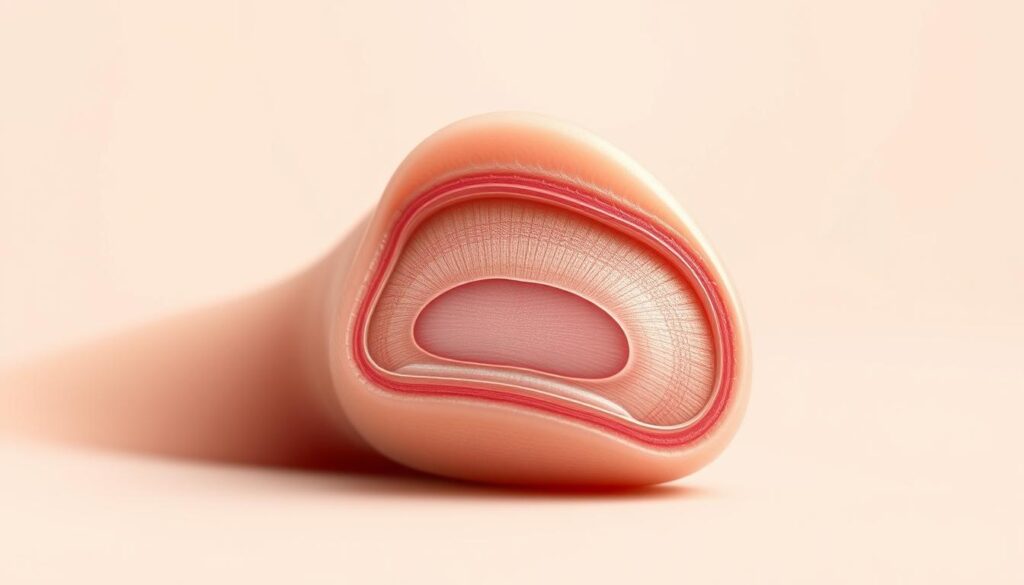
Your nails aren’t just fashion accessories – they’re biological blueprints revealing your body’s inner workings. Hidden beneath that polished surface lies a sophisticated growth system powered by specialized cells and proteins.
The Role of Keratin and the Nail Matrix
Meet your nail matrix: the crescent-shaped growth engine under your cuticle. This living tissue produces keratinocytes – cells packed with keratin protein that harden into your visible nail plate. Healthy adults see about 3.5 millimeters of growth monthly, roughly a ballpoint pen cap’s thickness.
The keratinization process transforms these soft cells into durable layers. Like hair strands, this fibrous protein forms interlocking bonds that determine nail strength. Damage here leads to peeling or brittleness – why protecting your matrix matters more than quick fixes.
Indicators of Healthy vs. Unhealthy Nails
Smooth surfaces and uniform pink tones signal well-functioning systems. Minor vertical ridges often come with age, but horizontal grooves or yellow tints suggest deeper issues. Brittle edges might indicate dehydration, while spoon-shaped curves could reveal iron deficiencies.
Your cuticles act as security guards for the matrix. Aggressive trimming removes this protective barrier, inviting infections that disrupt growth cycles. Instead, gently push them back after showering when they’re softest.
Nutritional and Lifestyle Strategies for Nail Health
Your plate holds more power over nail strength than any salon treatment. What fuels your body directly impacts those protective keratin layers – think of meals as building materials for resilient edges.
Essential Vitamins and Supplements
Biotin steals the spotlight for good reason. This B vitamin acts like construction crew – converting nutrients into energy while reinforcing nail structure. Studies show 2.5mg daily reduces brittleness within weeks.
Don’t overlook supporting players. Iron transports oxygen to growth cells, zinc repairs keratin bonds, and omega-3s lock in moisture. A quality multivitamin bridges gaps, but food-first approaches often work best.
Foods to Boost Nail Growth
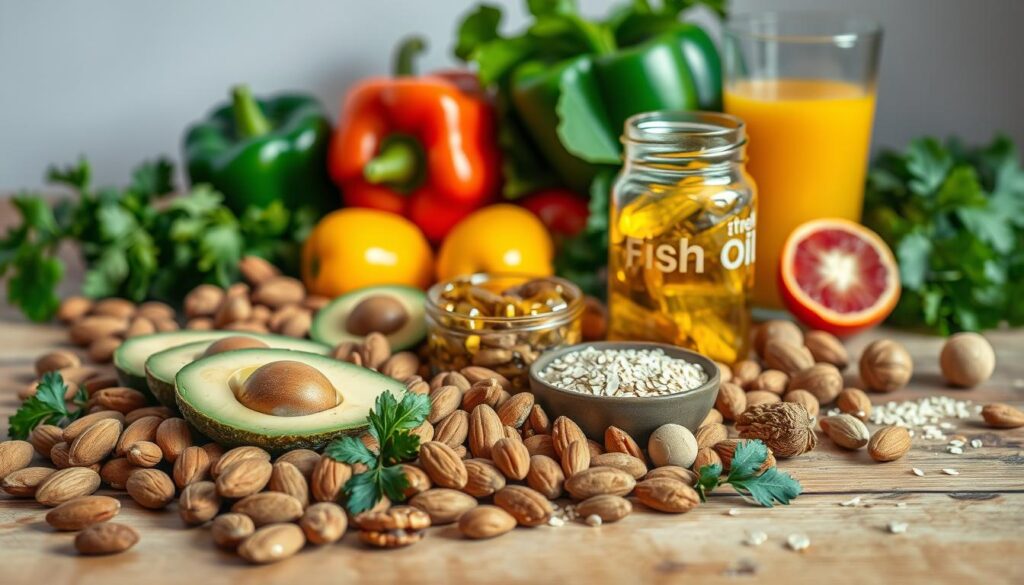
Start with biotin-rich options: scrambled eggs at breakfast, almond butter snacks, or sardine-packed salads. Whole grains and mushrooms make easy additions to meals. Pair these with vitamin C sources like bell peppers to enhance iron absorption.
Hydration matters as much as your grocery list. Eight glasses of water daily maintains flexibility, while healthy fats from avocados or walnuts prevent peeling. Notice vertical ridges or pale beds? These clues often point to nutritional shortages needing attention.
Effective Grooming Techniques and Home Remedies
Your daily habits shape nail resilience more than occasional treatments. Small, consistent acts of care create armor against chips and splits while supporting natural growth cycles.
Daily Nail Care Routine and Proper Trimming
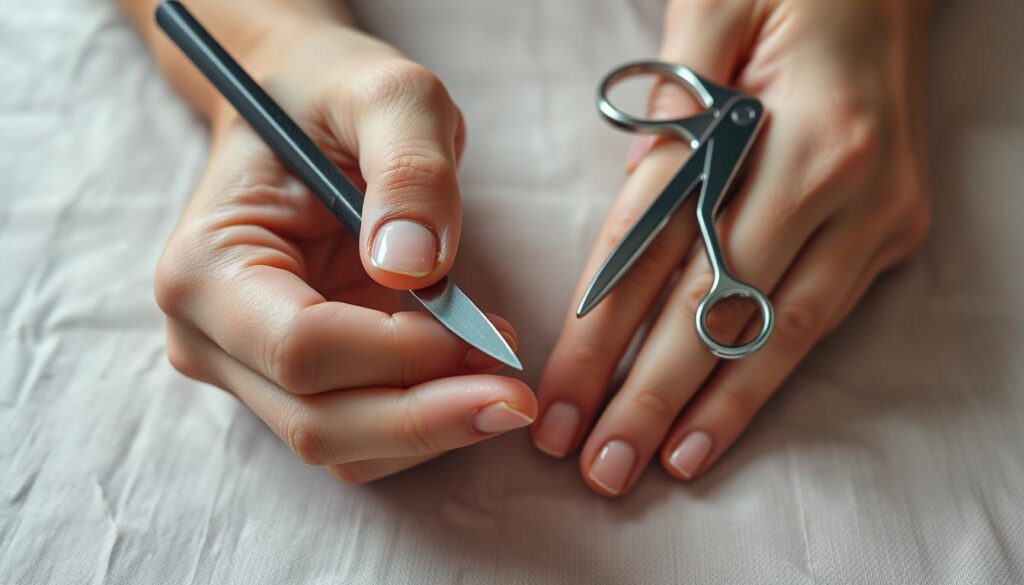
Start with clean, dry hands – moisture traps bacteria. Use sharp clippers to cut straight across, then lightly file edges into soft curves. This prevents ingrown edges while reducing breakage risks.
Push back cuticles gently after showers when they’re pliable. Never cut them – these protective seals guard against infections. Apply lotion immediately to lock in hydration.
“Nails thrive on routine, not heroics. Five minutes daily beats marathon sessions once a month.”
Choosing the Right Nail Products for Strengthening
Not all oils work equally. Cold-pressed options like baobab seed or sweet almond penetrate deeper than mineral oil. Apply before bed for overnight repair.
| Oil Type | Key Benefit | Best For |
|---|---|---|
| Coconut | Moisture retention | Dry, peeling edges |
| Walnut | Keratin support | Thin, flexible nails |
| Passionfruit | Antioxidant boost | Discolored surfaces |
Skip acetone removers – they strip natural oils. Instead, try non-damaging formulas that maintain nail integrity. For manicure enthusiasts, opt for breathable base coats between polish applications.
Rotate products every few months. Nails adapt to ingredients, reducing effectiveness over time. Track changes in texture and strength to identify what your hands truly need.
How to Make Your Nails Grow Faster with Targeted Techniques
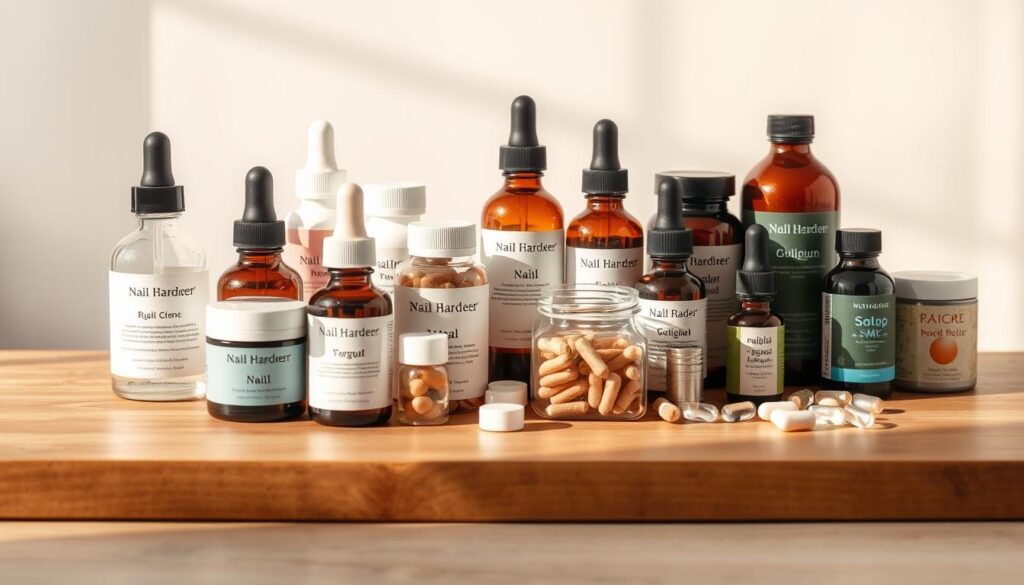
Strategic care transforms brittle edges into resilient canvases. Two approaches work best: targeted topical solutions and consistent internal support. Balance creates lasting results without dependency.
Mastering Temporary Strengtheners
Nail hardeners act like temporary armor. Use them sparingly – three weeks maximum – to protect weak spots during growth phases. Apply thin layers, avoiding cuticles. Remove gently with acetone-free formulas to prevent dehydration.
| Application Method | Benefit | Risk If Overused |
|---|---|---|
| Single weekly coat | Prevents splits | Rigidity |
| Spot treatment | Targets weak areas | Uneven texture |
| Base layer | Polish protection | Discoloration |
Safer Color Choices
Many polishes contain “toxic trio” chemicals that suffocate keratin. Water-based options breathe better. Acquarella’s plant-derived formulas last five days without formaldehyde. Suncoat’s peel-off polish skips harsh removers entirely.
“Your nails shouldn’t sacrifice health for beauty. Modern formulas deliver both.”
Biotin supplements work beneath the surface. Take 2.5mg daily with breakfast for optimal absorption. Pair with zinc-rich foods like pumpkin seeds to boost effectiveness. Notice reduced peeling within 6-8 weeks.
Glue-on nails trap moisture, creating breeding grounds for fungi. If you crave length, try silk wraps instead. They reinforce without adhesives, letting natural edges thrive underneath.
Advanced Treatments and Professional Insights
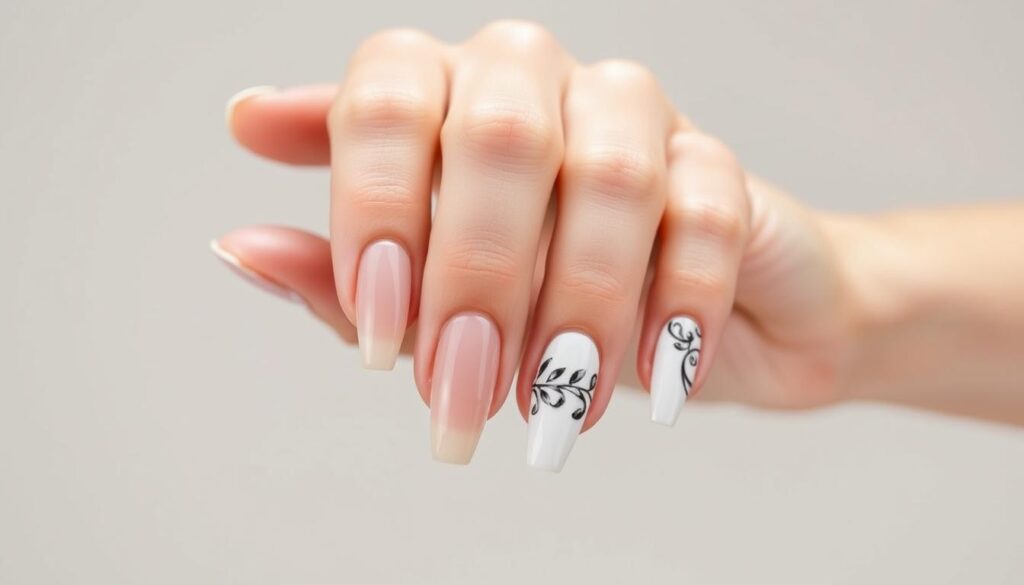
Professional care elevates nail resilience through science-backed methods. While home routines form the foundation, specialized approaches offer enhanced protection and diagnostic value. Let’s explore clinical solutions that complement your daily efforts.
In-Clinic Manicures and Custom Treatments
Salon gel applications create durable shields against daily wear. Unlike regular polish, these formulas cure under UV light, forming flexible armor that lasts 2-3 weeks. Certified technicians apply thin layers that help strengthen without suffocating keratin.
| Professional Advantage | DIY Risk | Solution |
|---|---|---|
| Precision removal | Peeling damage | Acetone wraps |
| Custom shaping | Over-filing | Diamond bits |
| Hydration balance | Dehydration | PH-balanced prep |
Never pick at gel coatings. Improper removal strips surface layers, causing visible grooves. Schedule removal appointments every 14-21 days to maintain healthy nails between services.
The In & Out Approach: Internal Nutrition and External Protection
Top dermatologists recommend dual-action strategies. Pair biotin supplements with peptide-rich serums for 360° support. This method addresses both growth mechanisms and environmental stressors.
Watch for these warning signs requiring medical consultation:
- Yellowish discoloration persisting weeks after polish removal
- Horizontal ridges across multiple nails
- Sudden thickening or separation from skin
Nutritionist Dr. Elena Torres notes: “Nail health reflects systemic conditions. Persistent changes often signal hormonal shifts or nutrient absorption issues needing clinical evaluation.”
Collaborate with professionals who assess your unique condition. Aestheticians can recommend keratin-infused topcoats, while doctors might test iron levels if vertical ridges deepen. This integrated approach ensures both beauty and wellness priorities get addressed.
Conclusion
Your journey to resilient nails mirrors tending a garden – progress unfolds through consistent care, not force. While genetics set your baseline growth speed (about 3mm monthly for fingernails), smart habits help edges reach their full potential without brittleness.
Seasonal changes and age influence results. Summer warmth boosts blood flow, accelerating growth slightly. Toenails lag behind fingernails by nearly 50%, and pregnancy hormones often create temporary surges. These natural variations remind us true nail health isn’t a race.
Focus on what you control: gentle filing prevents breakage, nutrient-rich diets strengthen keratin bonds, and breathable polishes protect surfaces. Pair these with patience – rushing the process often damages delicate layers.
Remember, strong edges outlast quick fixes. Track progress monthly rather than weekly. Celebrate subtle wins like reduced peeling or smoother surfaces. Your nails thrive when treated as living extensions of your overall health, not just beauty accessories.