
Ever wonder why your salon-fresh manicure won’t budge even after weeks of wear? Dip powder manicures are praised for their durability, but that strength becomes a challenge when it’s time for a change. Cosmetic chemist Ron Robinson explains that the resin-and-powder formula bonds like glue, creating layers that outlast gel polish by weeks. While this means fewer salon visits, it also demands careful removal to protect your natural nails.
Good news: You can tackle this at home with minimal supplies. Pure acetone, cotton pads, and a bit of patience are all you need to dissolve those stubborn layers safely. Avoid shortcuts like peeling or picking—these habits can thin your nail bed or cause splits. Instead, gentle filing and proper soaking techniques preserve your nails’ health while breaking down the adhesive.
Whether you’re prepping for a new short pink acrylic nails design or giving your nails a breather, this guide simplifies the process. We’ll walk through foil-wrap methods, heat-assisted shortcuts, and post-removal care to keep your nails strong. Ready to master a damage-free routine? Let’s dive in.
Key Takeaways
- Dip manicures last 3-5 weeks due to their resin-based formula but require careful removal.
- Pure acetone and cotton pads are essential for dissolving layers without damage.
- Never peel off the polish—this weakens natural nails and increases breakage risk.
- Soaking times vary, but 15-20 minutes ensures the acetone penetrates fully.
- Moisturize nails after removal to restore hydration and prevent brittleness.
Introduction to Dip Nails Removal
Salon-quality durability doesn’t have to mean endless appointments. While dip powder manicures last weeks longer than traditional polish, their stubborn nature makes many wonder: “Can I handle this myself?” The answer might surprise you.
Why DIY Makes Sense
Nail artist Syreeta Aaron notes that home removal methods mirror salon techniques when done correctly. Imagine skipping the drive, wait times, and fees. For frequent style-changers or those in remote areas, mastering this skill saves both time and money.
Home Removal Perks
Salons charge $10-$25 per removal session—costs that add up. With pure acetone and cotton pads, you control the pace. No rushed scraping or harsh filing. Your nails get gentle attention while your schedule stays flexible.
| Factor | Home Removal | Salon |
|---|---|---|
| Cost per session | $3-$5 (supplies) | $10-$25+ |
| Time investment | 30-45 mins (self-paced) | 60+ mins (with travel) |
| Control | Full | Limited |
| Safety | Same results with proper steps | Professional oversight |
Concerned about damage? Aaron confirms that acetone soaking works identically whether you’re at a salon or your kitchen table. The key lies in patience—never forcing layers off prematurely. Once comfortable, you’ll switch colors as often as your mood changes!
Understanding Dip Nails and Their Challenges
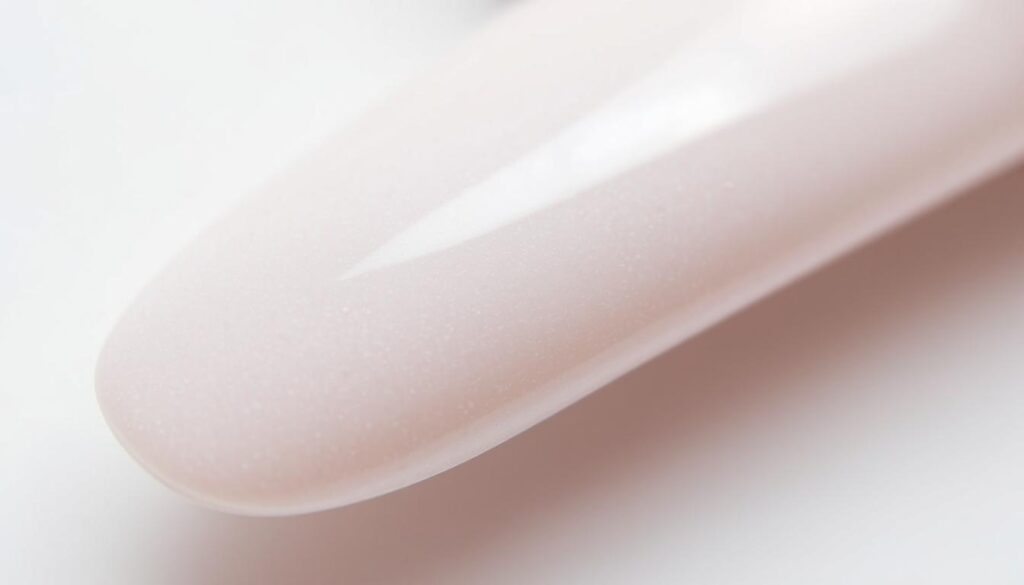
Have you ever marveled at chip-free nails that survive weeks of typing and chores? That’s the magic of dip powder manicures—a layered armor for your fingertips. Unlike traditional polish, this technique uses colored acrylic powder bonded with adhesive resin, creating a fortress-like finish.
What Are Dip Powder Manicures?
Your favorite salon might apply the powder by dipping your nail into a jar or brushing it on for hygiene. Three key layers build the structure: a sticky base coat, pigment-packed powder, and a glossy top sealant. “It’s like building a tiny shield,” says Essie educator Rita Remark. “Each layer hardens through chemical bonding—no UV lamp needed.”
Dip vs. Gel: Strength vs. Flexibility
While gel polish remains pliable under UV light, dip sets into a rigid shell. This makes it ideal for weak nails needing extra support but trickier to dissolve later. Check how they stack up:
| Dip Powder | Gel | |
|---|---|---|
| Application | Air-dried layers | UV-cured liquid |
| Thickness | 2-3x thicker | Flexible coating |
| Longevity | 3-4 weeks | 2-3 weeks |
| Removal Difficulty | High (multiple layers) | Moderate |
That rock-solid durability comes at a cost: taking off dip powder requires patience. Its fused layers resist acetone longer than gel’s single polish film. But don’t let that deter you—knowing why it sticks so well helps you tackle removal smarter, not harder.
A Comprehensive Step-by-Step Removal Process
Mastering dip powder removal starts with smart prep work. Los Angeles nail artist Ashlie Johnson emphasizes, “Trimming extensions first prevents unnecessary acetone exposure.” This approach protects your natural nail bed while streamlining the entire process.
Preparing Your Nails: Cutting, Filing, and Buffing
Clip artificial length to match your natural nails using sharp clippers. Grab a 100-grit file to buff away the glossy top layer. “Thinning the seal coat lets acetone penetrate faster,” explains Johnson. Rubbing petroleum jelly around your cuticles creates a protective barrier against drying.
Soaking in Acetone: Methods and Timing
Pour pure acetone into a shallow bowl. Soak cotton balls, place them on each nail, and wrap fingertips in aluminum foil. Wait 15 minutes—thicker layers might need 20. Resist peeking early! If polish doesn’t lift easily, add 5-minute intervals until it flakes.
Final Steps: Scraping, Buffing, and Hydration
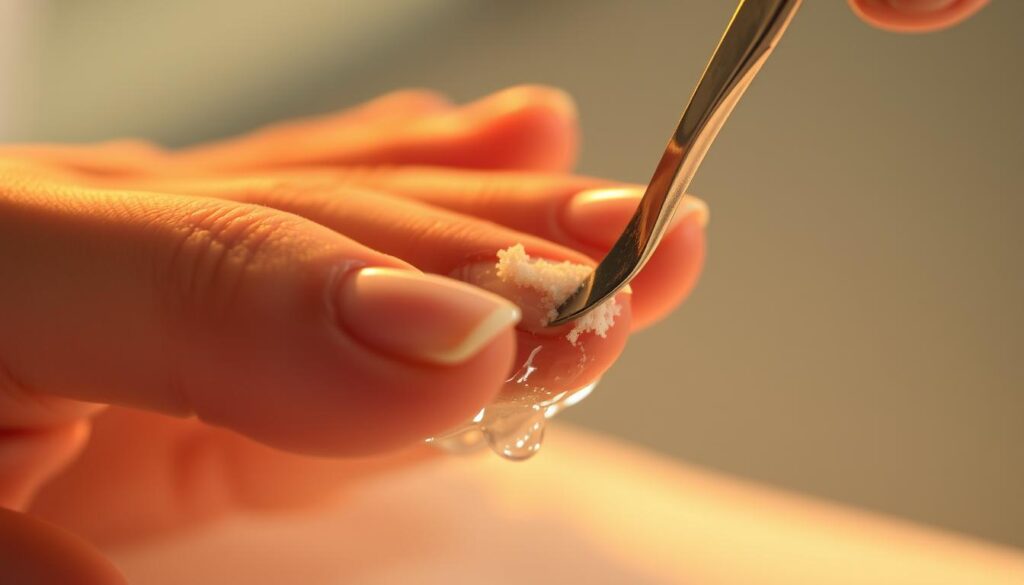
Gently glide an orangewood stick from cuticle to tip, lifting softened powder. Buff remaining residue with a fine-grit block. Wash hands thoroughly, then apply nutrient-rich oil. Celebrity manicurist Amy Le advises, “Hydration repairs acetone’s drying effects—never skip this step!”
| Step | Tool | Time |
|---|---|---|
| Prep | Nail clippers | 5 mins |
| Soak | Acetone + foil | 15-20 mins |
| Aftercare | Cuticle oil | Daily |
Stubborn spots? Re-soak individual nails instead of scraping aggressively. This preserves surface integrity while ensuring complete polish removal.
How to Remove Dip Nails Safely at Home
Achieving salon-quality nails at home is possible—with the right know-how. Pure acetone remains your best ally for dissolving layers without harm. Pair it with protective steps to keep your skin and nails healthy during the process.
Using Pure Acetone and Protective Measures
Always work in a well-ventilated area to avoid inhaling fumes. Apply petroleum jelly around cuticles before soaking. This creates a barrier against dryness. Use foil wraps or clips to secure acetone-soaked cotton pads. Wait 15 minutes—no shortcuts!
Key Tips for Success
Gently scrape softened layers with an orangewood stick. Avoid metal tools to prevent scratches. Buff remaining residue lightly. Hydrate nails immediately with jojoba oil or a thick cream. This restores moisture lost during soaking.
Once your nails are clean, why not try a fresh stiletto French tip design? With patience and care, you’ll maintain strong, beautiful nails between styles. Remember: Rushing leads to damage. Slow and steady wins the manicure game!