
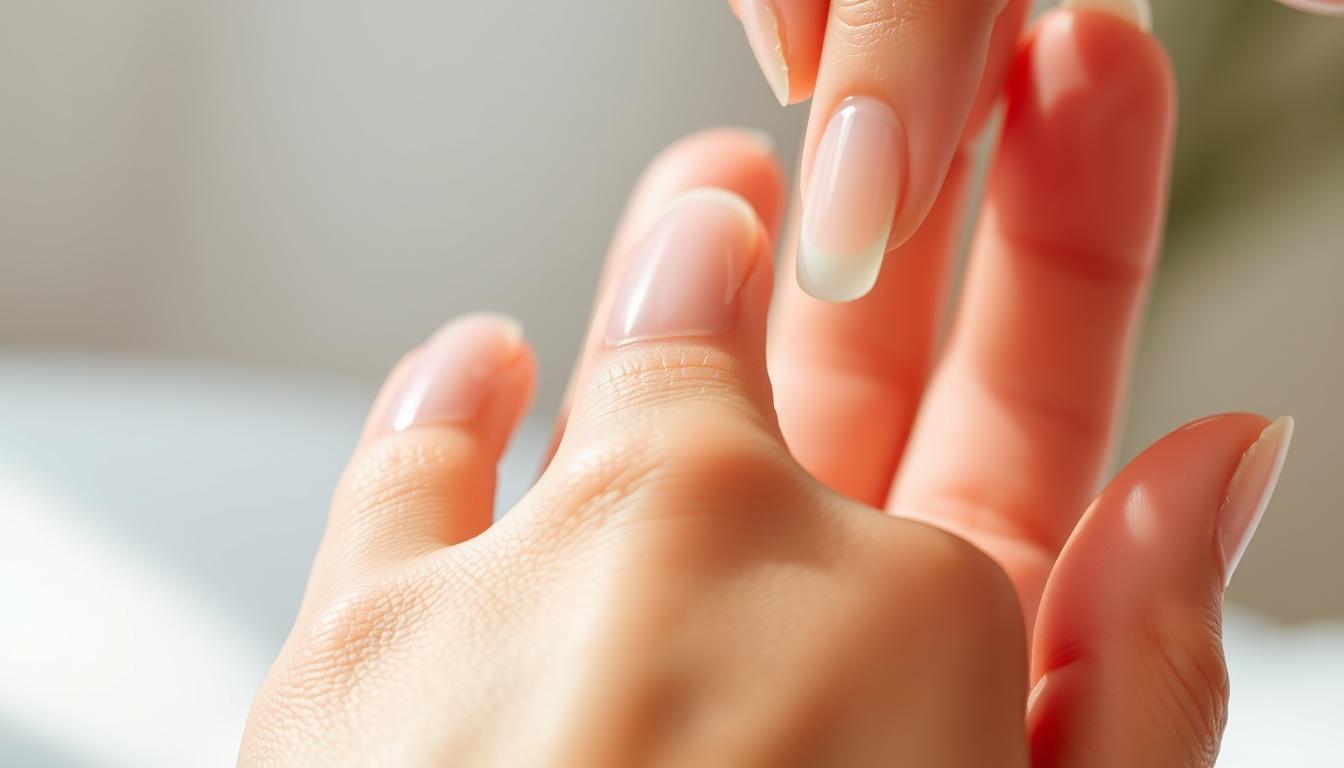
Is your stunning manicure secretly weakening your natural nails? Many assume that gel-based extensions are harmless, but improper removal can lead to brittleness, peeling, and even infections. The truth is, even the most dazzling designs require careful maintenance to keep your nails healthy.
Gel-X systems use soft, flexible overlays bonded with builder gel and cured under UV light. These extensions blend seamlessly with your natural shape, whether you prefer short squares or dramatic coffins. While they last weeks, removal demands patience—soaking in acetone dissolves the adhesive without scraping or filing.
Why risk DIY disasters when professionals recommend a soak-off method? Rushing the process or peeling them off can strip layers of your nail bed. Instead, understanding the 15–30 minute timeline and proper tools ensures your natural base stays intact for future styles.
Key Takeaways
- Safe at-home removal requires acetone soaking, not peeling or scraping
- Most of the 15–30 minute process involves waiting for gel to dissolve
- Gel-X differs from acrylics or hard gels—soakability prevents damage
- Proper technique preserves nail strength for future manicures
- Builder gel bonds dissolve fully when given enough time
Understanding Gel X Nails
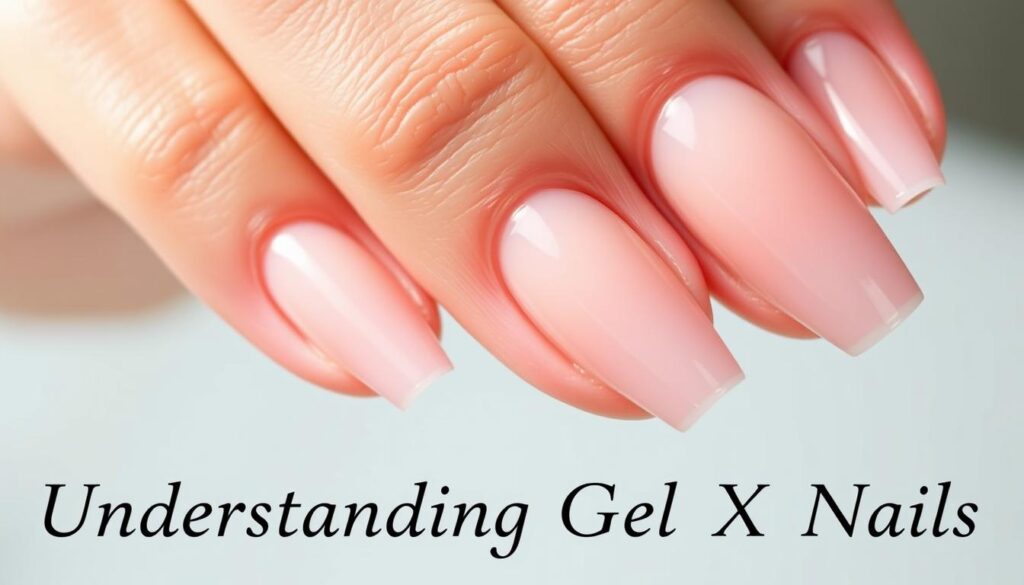
The beauty world is buzzing about a new type of nail extension that’s gentle yet durable. Unlike traditional options, these innovations prioritize both style and nail health. Let’s explore what sets them apart and why they’re dominating salon conversations.
Breaking Down the Basics
Gel-X systems use a flexible, lightweight material that molds to your natural nails. A builder gel or specialized adhesive bonds the extension to your nail bed before curing under UV light. This creates a seamless look whether you’re rocking short styles or bold almond shapes.
Comparison at a Glance
| Feature | Gel-X | Acrylics |
|---|---|---|
| Application Time | 15-20 minutes | 45-60 minutes |
| Odor During Use | None | Strong chemical smell |
| Removal Process | Acetone soak (15-30 mins) | Filing + soaking (45+ mins) |
Beauty expert Lisa Collins notes:
“The soft gel formula revolutionized extensions by combining salon-quality durability with at-home removal safety.”
What truly makes these extensions stand out? Their soak-off design preserves your nail’s surface. While acrylics require aggressive filing, the gel-based adhesive dissolves completely when given proper time. This means less scraping and healthier results between manicures.
Customization shines here too. The flexible material allows easier shaping and supports intricate designs without added weight. Whether you prefer subtle nudes or vibrant patterns, your natural nails stay protected underneath.
Why Proper Removal is Crucial
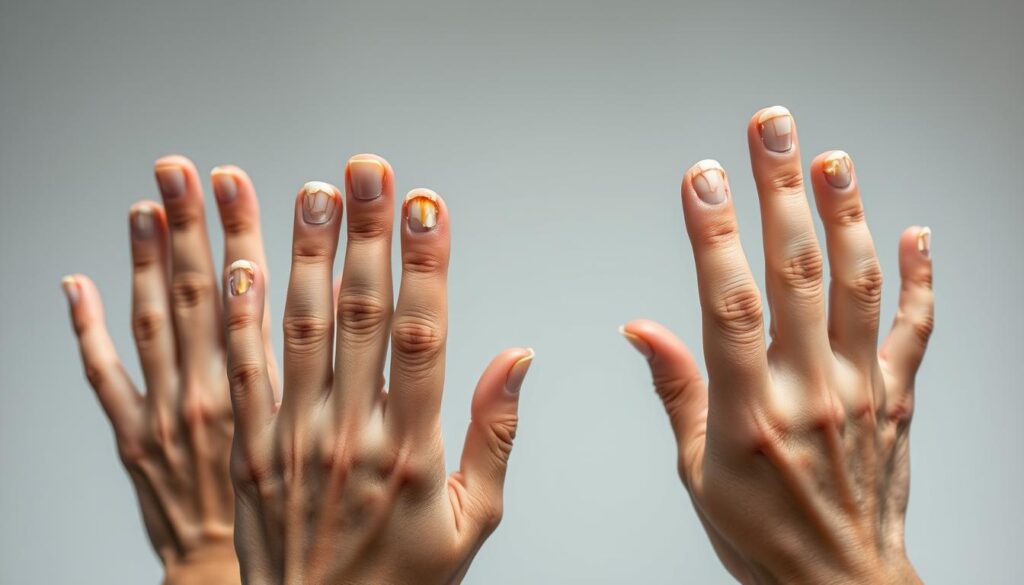
Your gorgeous manicure shouldn’t come at the cost of long-term natural nail health. What many don’t realize is that rushed techniques create microscopic cracks in the nail plate—damage that accumulates over time.
Avoiding Damage to Your Natural Nails
Peeling or scraping extensions risks tearing the delicate layers beneath. This weakens the nail plate, causing white spots, ridges, or painful separations. Dermatologist Dr. Emily Torres warns:
“Forced removal is like ripping tape off sunburned skin—it takes healthy cells with it.”
Aggressive methods also strip protective oils. Without this barrier, natural nails become brittle and prone to splitting. Fungal infections thrive in these compromised conditions.
Benefits of Safe Removal Techniques
Soaking dissolves the adhesive gently. This preserves your natural nail structure while preventing thinning. Healthy bases mean faster growth and stronger future manicures.
Patience pays off. Dedicate 20 minutes to acetone soaking instead of 20 seconds of prying. Your nails will thank you with smooth surfaces ready for new designs—no recovery time needed.
Tools and Supplies You’ll Need
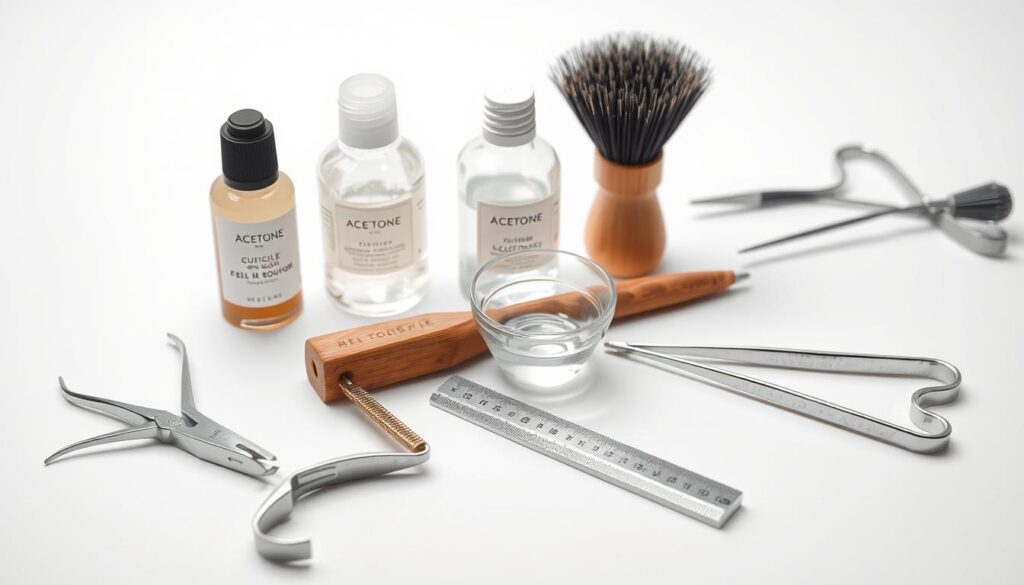
Gathering the right arsenal makes all the difference between a smooth experience and a frustrating one. Let’s break down what truly works—and why some items are non-negotiable.
Essential Products for Home Removal
100% pure acetone tops the list. Regular polish removers lack the strength to dissolve builder gel effectively. Nail technician Mara Rodriguez confirms:
“Anything less than pure acetone turns a 20-minute soak into an hour-long battle.”
Pair it with cotton balls cut into nail-sized pieces. These hold moisture against extensions better than pads or tissues. Aluminum foil wraps create a sealed environment, accelerating the breakdown process.
A nail file with 100/180 grit is crucial. Coarse enough to break the gel’s top layer without scratching your natural base. Follow with a cuticle pusher to lift softened residue gently—never metal tools that gouge surfaces.
Post-care matters too. Keep cuticle oil nearby to replenish moisture after acetone exposure. Optional clips secure wraps if hands-free soaking feels tricky.
Skip substitutions. Household items like paper towels or low-grade files compromise results. Investing in proper tools protects your nails while saving time and frustration.
How to Remove Gel X Nails at Home
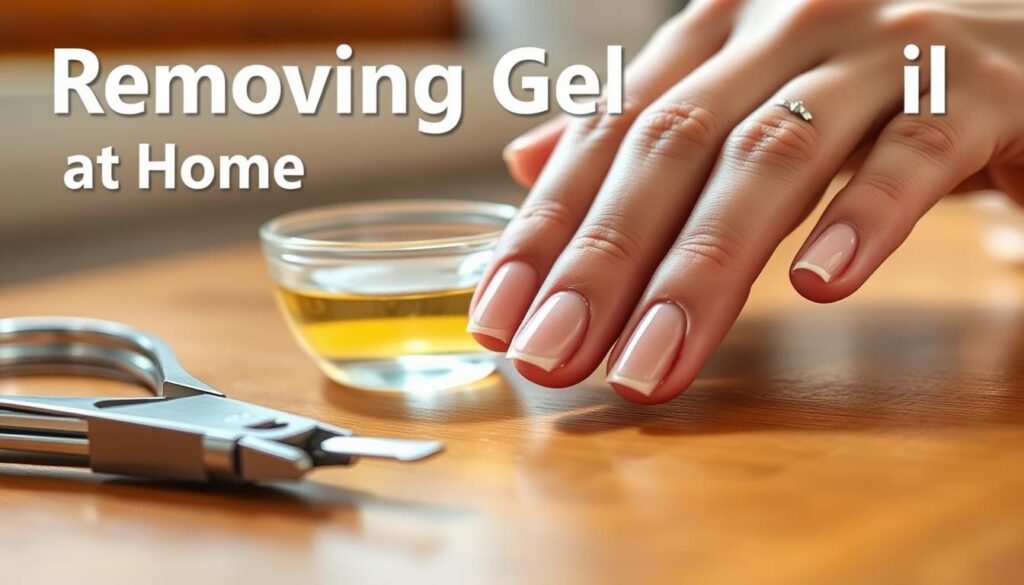
Transforming your manicure doesn’t require salon visits when you master the right approach. With careful preparation and quality tools, maintaining healthy nails becomes straightforward. Let’s simplify the journey from polished extensions to refreshed natural beauty.
Step-by-Step Process Overview
Begin by trimming extensions to reduce bulk. Gently file the glossy top layer using a 180-grit buffer—this allows acetone to penetrate effectively. Rushing this prep work leads to uneven soaking and extended removal times.
| Stage | Action | Time | Key Tip |
|---|---|---|---|
| 1. Prep | File & trim | 5 mins | Remove shine, not layers |
| 2. Soak | Acetone immersion | 15-20 mins | Use foil wraps for efficiency |
| 3. Lift | Gentle scraping | 3-5 mins | Stop if resistance occurs |
| 4. Finish | Buff & hydrate | 2 mins | Apply oil immediately |
During soaking, check progress every 5 minutes. Builder gel should appear cloudy when ready. If pieces cling stubbornly, reapply acetone—never force separation. Licensed tech Alyssa Moreno advises:
“Treat your nails like silk fabric. If scraping feels rough, you’re moving too fast.”
Post-removal buffing eliminates residual adhesive without thinning your natural surface. Finish with cuticle oil massages to counteract acetone’s drying effects. Spot redness or burning? Pause and consult a professional to prevent lasting damage.
Mastering the Acetone Soak Technique
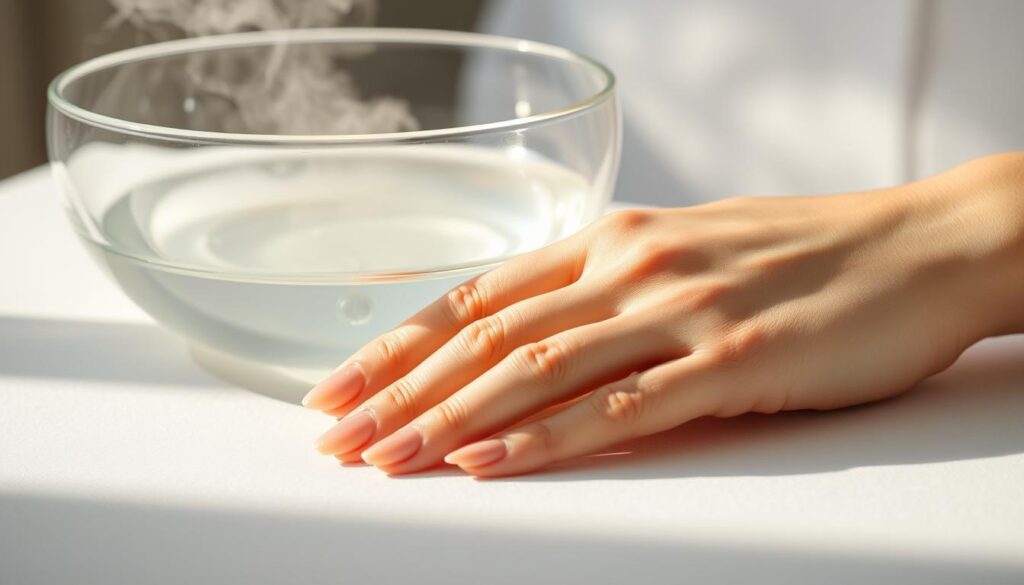
The secret to effortless extension removal lies in precise acetone application. While many dread the waiting game, strategic preparation cuts downtime and protects your natural base. Let’s transform this essential step from chore to science.
Preparing Your Nails for Soaking
Start by gently filing the top layer with a 180-grit buffer. This removes the glossy seal without thinning your natural surface. Nail artist Tiana Marcos advises:
“Think of it like sanding wood before painting—create texture for better adhesion.”
Trim extensions to 50% length if needed. This reduces bulk while keeping enough material for acetone to grip. Avoid cutting too close to prevent accidental nicks.
The Soak Method Explained
Pour pure acetone into a glass bowl. Warm it slightly by placing the container in warm water for 2 minutes—heat accelerates breakdown. Soak cotton balls until dripping, then press onto each nail.
| Temperature | Dissolution Time | Efficiency |
|---|---|---|
| Warm (110°F) | 10-15 mins | 40% faster |
| Room Temp | 20-25 mins | Standard speed |
Wrap fingers tightly with foil to prevent evaporation. Set a timer for 15 minutes—resist peeking! The gel should lift easily when ready. If resistance occurs, reapply fresh acetone for 5 more minutes.
Post-soak, use a wooden stick to gently push off residue. Buff remaining adhesive with light strokes. Finish with cuticle oil to restore moisture lost during the process.
Alternate Methods and Considerations
Salon-quality results don’t always require professional visits. Whether you’re multitasking or prefer tech-driven solutions, multiple paths lead to clean removal. Let’s explore options that balance convenience with nail health.
Using Foil Wraps and Cotton Balls
Transform ordinary household items into targeted acetone chambers. Soak cotton balls in pure acetone until damp. Press one onto each gel nail, then wrap tightly with aluminum foil to lock in moisture.
This method lets you move freely while waiting. Most soft gel dissolves within 15-20 minutes. Nail artist Jada Simmons explains:
“Foil creates a mini greenhouse effect. Heat buildup speeds up breakdown without drying your skin.”
Exploring E-file and Mechanical Options
For thicker applications, electric files offer precision. Use a coarse safety bit at 20,000 RPM to gently buff the surface. Follow with a medium grit band (8,000 RPM) for residual polish.
| Method | Tools | Time | Best For |
|---|---|---|---|
| Foil Wrap | Aluminum foil + acetone | 15-25 mins | At-home users |
| E-file | Coarse bit + grit band | 8-12 mins | Salon regulars |
Note: Hard gel requires mechanical removal. Always keep the file parallel to your nail bed. Angled pressure risks grooves or thin spots. When done right, this preserves your natural base for future styles.
Aftercare for Healthy Natural Nails
Your freshly revealed natural base deserves pampering after weeks of extensions. Immediate hydration and protective practices lock in moisture while rebuilding strength from the inside out.
Moisturizing and Nourishing Tips
Start by washing hands with gentle soap to eliminate acetone traces. Pat dry, then massage cuticle oil into each nail fold. Celebrity manicurist Lola Chen recommends:
“Hydration begins at the matrix. Apply oil like you’re feeding thirsty soil—generously and with circular motions.”
| Product Type | Key Ingredients | Frequency |
|---|---|---|
| Cuticle Oil | Jojoba, vitamin E | 3x daily |
| Hand Cream | Shea butter, ceramides | After washing |
| Nail Serum | Biotin, keratin | Nightly |
For intense repair, layer petroleum jelly under cotton gloves overnight. This seals hydration deeper than standard lotions. Avoid water exposure for 2 hours post-treatment to maximize absorption.
Long-Term Nail Strength Practices
Rebuilding resilience takes 4-6 weeks. Use a strengthening base coat if resuming polish. Nail tech Marco Silva advises:
“Treat your tips like fine silk—skip harsh cleaners and opt for gloves during chores.”
Incorporate biotin-rich foods like eggs and almonds. Pair with vitamin E supplements to enhance flexibility. Weekly soaks in warm olive oil add shine while preventing splits.
Celebrate progress with a glass of water—hydration fuels keratin production. Your renewed natural nails will soon rival any stiletto French tip designs, no extensions needed.
Common Challenges During Removal
Even with careful prep, unexpected hiccups can disrupt your removal routine. Stubborn residue or uneven lifting often signals a need to adjust your approach. Recognizing these signs early prevents frustration and protects your natural plate.
Troubleshooting Soaking and Scraping Issues
If the polish clings after 20 minutes, don’t panic. Rewrap nails with fresh acetone-soaked cotton for 5-10 more minutes. Nail artist Rita Nguyen notes: “Time is your ally—builder gel softens gradually, not all at once.”
Resist aggressive scraping. A pusher should glide effortlessly across the surface. Feeling resistance? Stop immediately. Re-soak to protect the layer beneath.
- Persistent adhesion: Check acetone purity (must be 100%)
- Redness/discomfort: Rinse with cool water and moisturize
- Cloudy residue: Buff gently with 180-grit file
Success lies in adapting rather than forcing. Each setback teaches better technique for future removal sessions. Your nails deserve this thoughtful care.