
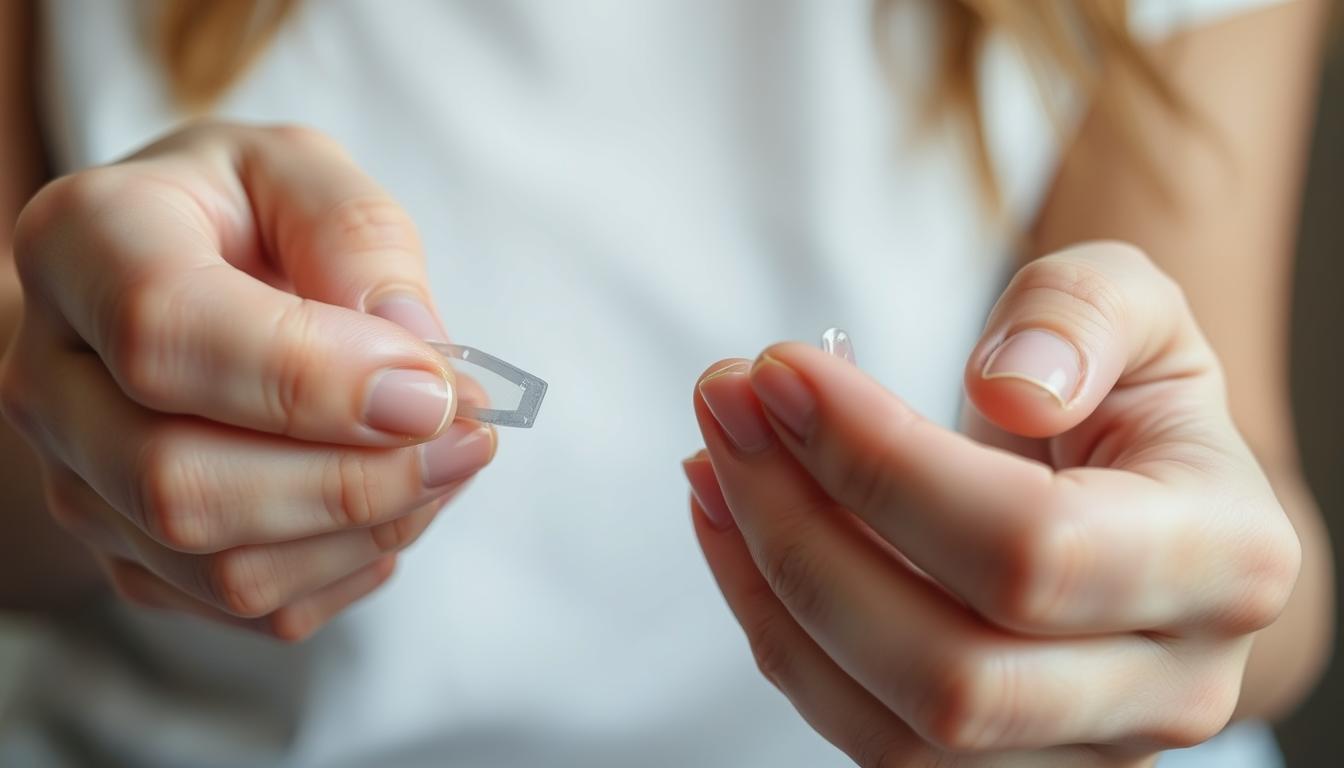
Let’s face it: You’ve probably hesitated to try bold nail art or trendy designs with press-ons because you’re worried about harming your natural nails. But what if the real story isn’t what you’ve heard? Celebrity nail artist Julie Kandalec puts it simply: “Press-ons are designed for easy, damage-free removal—they’re just plastic!”
Unlike acrylics or gels, these temporary options let you experiment with salon-worthy looks at home without long-term commitment. Rachel James, founder of Chicago’s Pear Nova salon, shares a secret: “The longer you wear them, the easier they come off. Time works in your favor!”
Concerns about weak or peeling nails often stem from mistakes made before application—like over-filing—not the removal process itself. With the right method, you can switch styles weekly and still keep your nails healthy.
Key Takeaways
- Press-ons are gentler than acrylics/gels when removed properly
- Extended wear makes removal easier as adhesive weakens naturally
- Damage typically occurs during prep, not removal
- Two safe removal techniques require minimal supplies
- Ideal for testing bold designs risk-free
Getting Started: Essential Tools and Preparation
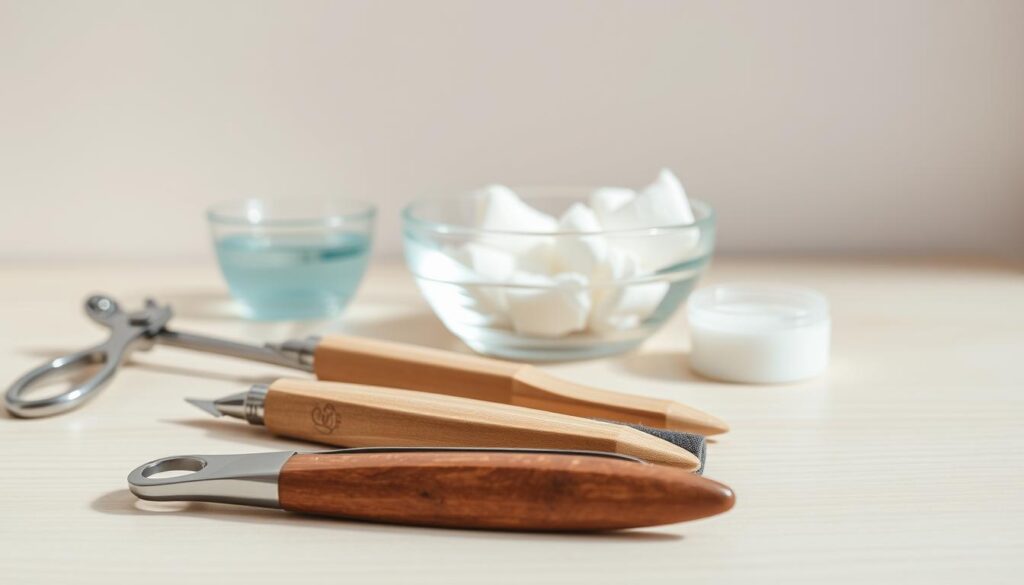
Before diving into your next nail transformation, gather these essentials. Proper setup protects your natural nails and keeps press-ons reusable.
Gathering Your Supplies
You likely own most items already. Nail clippers and a metal pusher handle basic removal, while a glass or ceramic small bowl works best for soaking. Pro tip: Avoid plastic containers if using acetone—they can degrade.
| Tool | Purpose | Pro Tip |
|---|---|---|
| Cuticle nippers | Precise adhesive removal | Use separate pair for press-ons |
| Liquid soap | Gentle soaking solution | Alternative to acetone |
| Nail buffer | Smooth natural nails post-removal | 400/4000 grit recommended |
Optional Prep: Filing and Accents Removal
For designs with rhinestones or charms, lightly file the surface first. This creates texture for better solvent penetration. Manhattan nail tech Lila Moreno advises: “Always remove 3D elements separately—it prevents accidental damage during soaking.”
A quick buffing step before application? That’s what makes future removal smoother. Keep your tools organized in one place—efficiency matters when working with adhesives.
Step-by-Step Guide: How to Remove Press On Nails Safely
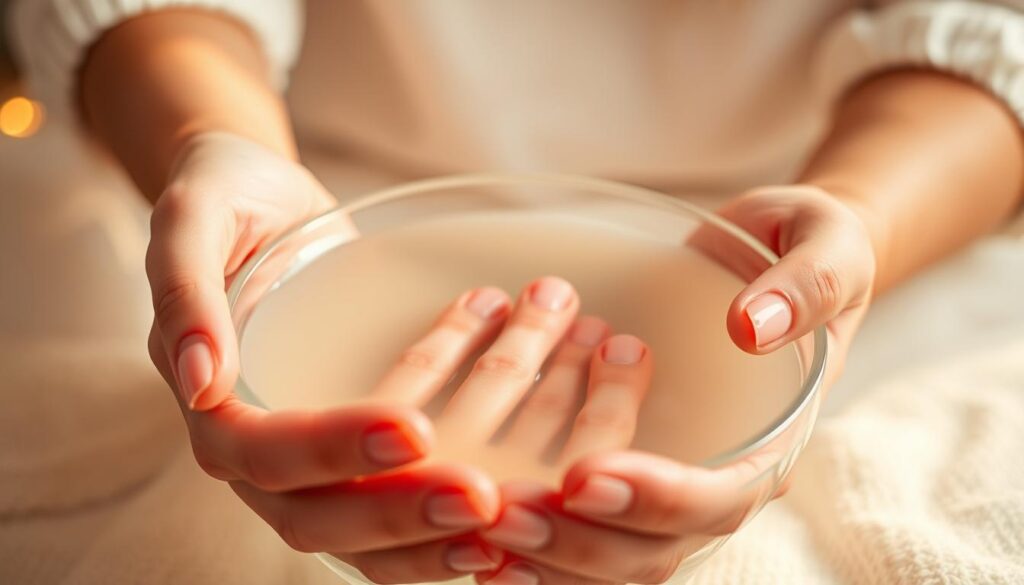
Time for a new look? Follow these steps to keep your natural nails healthy while switching styles. Proper technique makes all the difference between effortless removal and accidental damage.
Setting Up Your Soaking Station
Grab a ceramic or glass bowl—plastic reacts poorly with acetone. Fill it with warm water (not hot) until 2-3 inches deep. Paintbox’s Mabelyn Martin recommends:
“Dish soap breaks down adhesive better than hand soap. Use a generous squeeze!”
Soaking Methods: Acetone vs. Dish Soap
Both options work, but serve different needs. Check this comparison:
| Method | Time | Best For |
|---|---|---|
| Dish Soap + Water | 15 minutes | Saving press-ons for reuse |
| Pure Acetone | 5-7 minutes | Quick, permanent removal |
Start testing looseness at 10 minutes for soap baths. With acetone, wait 5 minutes before checking.
Gently Lifting and Removing the Nails
Slide an orangewood stick under the lifted edge. Apply steady pressure—never pry. Stubborn pieces? Add cuticle oil along the seam and soak 2 more minutes. Pro tip: Store salvaged sets in their original tray with adhesive tabs.
If resistance continues, pause and reassess. Forced removal risks peeling your natural nail layers. Patience preserves both your style options and nail health.
Aftercare and Nail Maintenance
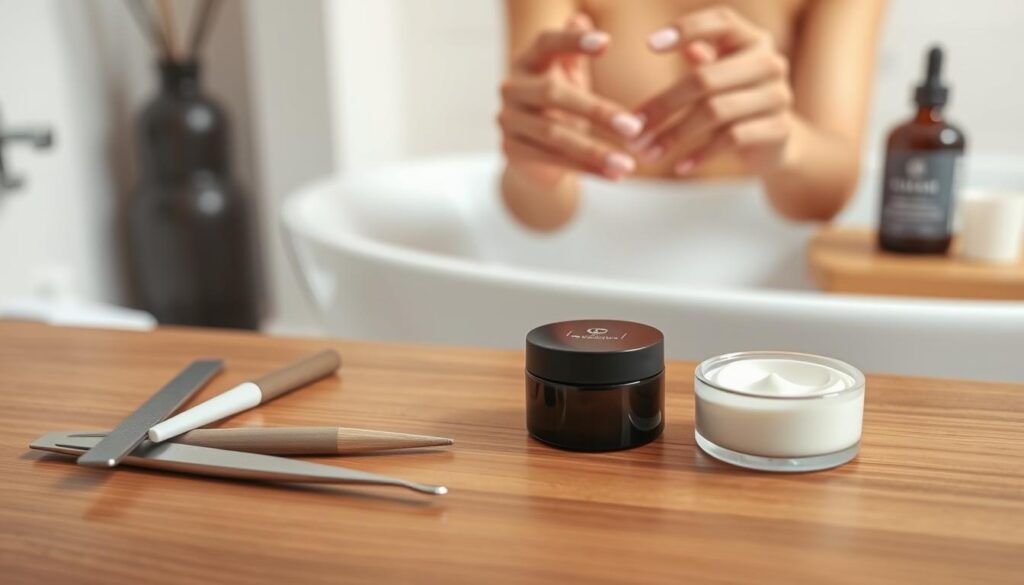
Your nail care journey doesn’t end when the press-ons come off. Proper aftercare ensures your natural nails stay strong and ready for your next creative coastal-inspired manicure.
Buffing Away Leftover Adhesive
Grab a 400/4000 grit buffer for gentle residue removal. Manhattan nail artist Martin advises: “Work in one direction only—back-and-forth motions create micro-tears.” Check this quick guide:
| Situation | Action | Tool |
|---|---|---|
| Flecks of adhesive | Buff gently | Fine-grit buffer |
| Thick glue patches | Re-soak nails | Acetone solution |
Resist over-buffing! Your natural nails need their protective top layer. If the buffer catches or drags, return to soaking for 3-5 minutes.
Rehydrating with Moisturizers and Cuticle Oil
Post-removal hydration is non-negotiable. Board-certified dermatologist Joshua Zeichner states:
“The soaking process strips natural oils. Replenish moisture within 15 minutes to prevent brittleness.”
Massage cuticle oil into nail beds and surrounding skin. Pro favorites:
- Essie Apricot Cuticle Oil (lightweight)
- Deborah Lippmann Cuticle Treatment (rich texture)
Follow with a hand cream containing shea butter. Weleda Skin Food Ultra-Rich Cream creates a protective barrier while letting skin breathe. Remember: Natural nails grow about 3mm monthly, so consistent care yields visible results in 6-8 weeks.
Conclusion
Switching up your nail art just got simpler. With either dish soap or acetone, you can effortlessly transition between designs while keeping your natural nails intact. Remember: gentle soaking and that trusty orangewood stick make all the difference.
Kandalec confirms what you’ve experienced—there’s zero wait time between sets if you avoid peeling. Press-on nails offer flexibility that gels and acrylics can’t match. Your toughest decision? Picking a new style from your growing collection.
Keep your toolkit stocked with cuticle oil and a quality buffer. These allies maintain nail health between changes. Whether you prefer bold patterns or subtle elegance, your at-home manicure routine now supports endless creativity.
Next time you’re ready for fresh designs, relax. You’ve got the method down—and your nails will thank you for it. The world of temporary art awaits, one soak at a time.