
What if your nail biting isn’t just a bad habit but a deeply rooted behavior linked to your mental well-being? Millions of Americans share this struggle, with studies showing 20-30% of people can’t quit on their own. Healthcare experts classify persistent cases as onychophagia—a body-focused repetitive behavior often tied to stress or anxiety.
This condition isn’t about willpower. For many, it’s a subconscious way to self-soothe during tense moments. The good news? Proven strategies exist to rewire these patterns. You’ll learn why traditional “quick fixes” often fail and how sustainable methods address the root causes.
Understanding your triggers is the first step. Whether it’s boredom, stress, or perfectionism, recognizing what fuels the habit empowers you to replace it with healthier responses. With patience and tailored techniques, lasting change becomes achievable.
Key Takeaways
- Chronic nail biting (onychophagia) is medically recognized as a body-focused repetitive behavior.
- Stress and anxiety often drive this habit, making it a coping mechanism rather than a choice.
- Evidence-based strategies focus on triggers, replacement behaviors, and self-compassion.
- Professional support can accelerate progress for persistent cases.
- Shame-free approaches yield better results than self-criticism.
Understanding the Nail Biting Habit and Its Effects

Why do perfectly trimmed nails feel impossible to maintain? For many, this behavior starts as an automatic response to emotional triggers. Recognizing these patterns helps break the cycle before it impacts your physical well-being.
Recognizing Psychological Triggers and Stress
Nail biting often spikes during moments of tension or boredom. You might catch yourself doing it while waiting for an email reply or during intense movie scenes. These actions provide temporary relief from stress or anxiety, creating a self-reinforcing loop.
Perfectionism plays a role too. Rough edges or uneven nail surfaces can trigger attempts to “fix” them through biting. Unfortunately, this usually worsens their appearance and creates raw, sensitive skin.
Long-Term Impacts on Nail and Skin Health
Repeated biting damages the nail bed and surrounding tissue. Over time, this leads to:
| Nail/Skin Issues | Infection Risks | Dental Problems |
|---|---|---|
| Stunted nail growth | Bacterial entry points | Tooth enamel wear |
| Chronic redness | Fungal infections | Jaw discomfort |
Open wounds near nails become gateways for germs. Dental studies show chronic biters have 3x higher rates of chipped teeth. Your hands and smile deserve better care!
How to Stop Biting Your Nails: A Step-by-Step Guide
Changing ingrained habits starts with smart strategies that respect your brain’s wiring. Small, consistent adjustments often outperform drastic overhauls. Let’s explore proven methods to reshape your actions without triggering resistance.
Behavioral Techniques That Can Help
Start by targeting specific fingers instead of all ten at once. Focus on protecting your pinky nails for a week—this builds confidence through achievable wins. Once mastered, expand to other digits. This gradual approach reduces overwhelm and strengthens self-control muscles.
Another powerful method involves dedicating one hand as your “safe zone.” Commit to keeping those nails untouched while allowing limited flexibility elsewhere. Over time, transfer this discipline to the other hand. Pair this with instant redirection—grab a fidget spinner or textured keychain whenever urges strike.
Practical Daily Tips for Success
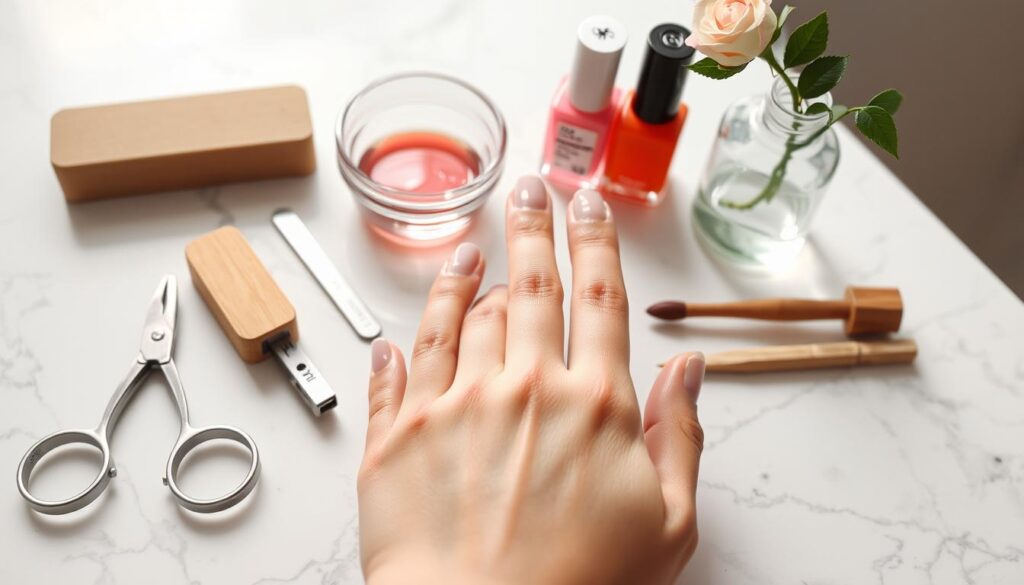
Schedule weekly trims using sharp clippers. Shorter edges offer fewer temptations and minimize painful hangnails. Consider investing in professional manicures—the polished look creates pride that discourages destruction. Many find they’re less likely to bite nails that look cared-for.
Carry these essentials to stay prepared:
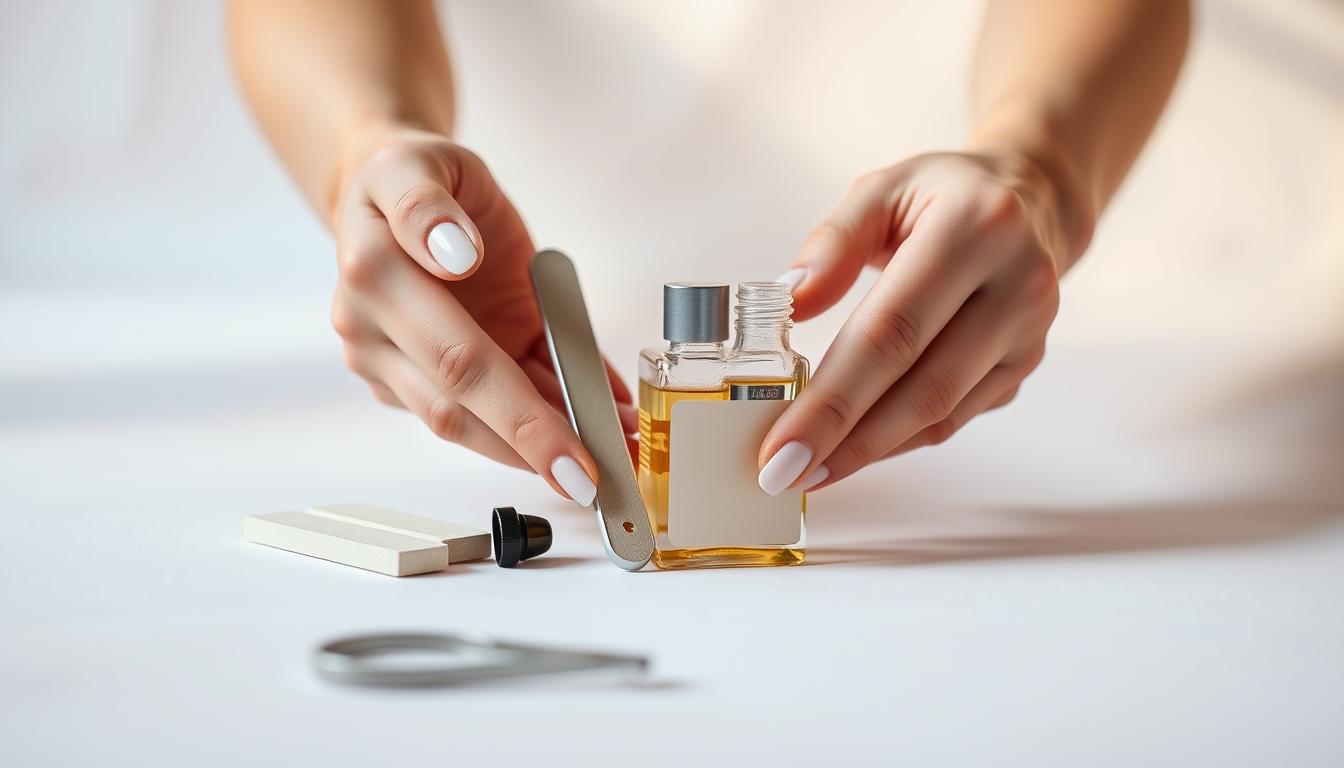
- Travel-sized nail file for smoothing edges
- Cuticle oil to nourish damaged skin
- Bitter-tasting balm (apply discreetly)
Track progress visually—take weekly photos of your hands. Celebrate lengthened nails with non-food rewards like new music downloads or streaming episodes. Remember: setbacks are data points, not failures. Each conscious choice strengthens new neural pathways.
Strategies for Preventing and Managing Triggers

Have you ever wondered why your fingers automatically reach your mouth during tense moments? Becoming a behavior detective helps uncover hidden patterns driving this habit. Let’s explore tools to disrupt these cycles before they begin.
Identifying Your Personal Triggers
Track your habits for three days using a notes app or journal. Look for patterns: Do deadlines spark nibbling? Does TV time turn into a nail-chewing session? Common triggers include:
| Trigger | Automatic Response | Better Alternative |
|---|---|---|
| Boredom | Biting nails | Fidget spinner |
| Stress | Chewing cuticles | Stress ball squeeze |
| Hangnails | Picking at nails | Nail file + oil |
Utilizing Bitter-Tasting Nail Polish and Other Barriers
Bitter-tasting polish acts like a silent alarm system. The unpleasant flavor creates a pause between urge and action. Many find success with brands like Mavala Stop—it dries clear and lasts through handwashing.
Physical barriers work wonders too. Try these options:
- Cotton gloves during Netflix marathons
- Colorful stickers on thumbnails
- Breathable athletic tape on index fingers
Keep a stress ball in your dominant hand during high-risk situations. This redirects energy while building awareness of unconscious movements. Over time, these strategies help rewire automatic responses into conscious choices.
Complementary Self-Care and Therapy Approaches

What fuels the urge to keep returning to this habit? Addressing chronic nail concerns requires more than surface-level fixes. Combining daily wellness practices with specialized treatment creates lasting change by nurturing both mind and body.
Mindfulness, Relaxation, and Movement
Simple mindfulness exercises create space between urges and actions. Try pausing to breathe deeply when you feel tension rising. This helps disrupt automatic behavior patterns linked to onychophagia.
Daily movement releases pent-up energy that might otherwise fuel nail biting. A 10-minute walk or gentle yoga session can reset your nervous system. Pair this with journaling to track progress and spot hidden triggers.
When to Seek Professional Help and Support
If home strategies aren’t enough, therapy offers tailored solutions. Cognitive behavioral approaches help reframe thoughts about perfectionism or anxiety. As Dr. Darling notes: “Shame dissolves when we understand the root causes of repetitive behaviors.”
Consider professional support if you experience:
- Persistent skin infections or nail damage
- Co-occurring conditions like ADHD or anxiety disorders
- Frustration with failed self-directed attempts
Specialists might recommend habit-reversal training or explore connections to other body-focused repetitive behaviors. Remember – seeking help demonstrates strength, not weakness.
Conclusion
Breaking free from persistent habits requires more than willpower—it demands smart strategies and self-awareness. You’ve now got tools to address both the physical and emotional aspects of chronic nail biting. Whether through barrier methods, trigger management, or professional support, progress happens one choice at a time.
Seek a dermatologist if you notice redness, swelling, or infections around nails. These signs mean it’s time for expert care. Mental health professionals offer equally vital treatment for habits tied to stress or perfectionism. There’s no shame in asking for help—millions share this journey.
Remember, what works for others might not fit your life. Experiment with techniques until you find your rhythm. Celebrate small wins, like smoother edges or fewer moments of unconscious biting. If setbacks occur, treat yourself with the kindness you’d show a friend.
Your hands deserve care that goes beyond quick fixes. With consistent effort and compassion, you’ll build healthier patterns that protect both your nail health and overall well-being. Every step forward counts.