
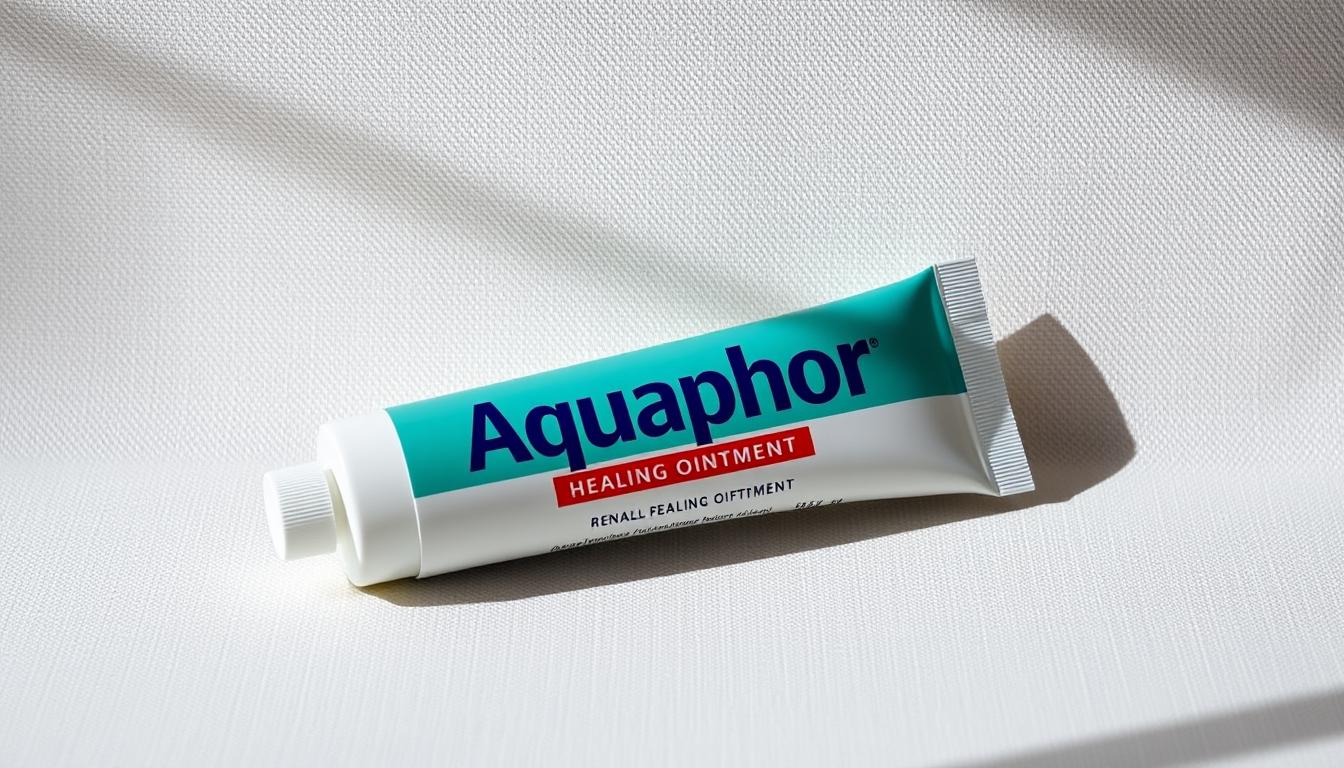
What if the secret to perfect tattoo healing isn’t in your artist’s needle, but in your aftercare routine? While fresh ink demands attention, the real magic happens during recovery. Choosing the right product could mean the difference between vibrant artwork and a faded memory.
Many swear by a petroleum-based ointment containing lanolin and glycerin. These ingredients create a protective barrier while locking in moisture. Artists often recommend it during initial healing stages, but how you apply it matters as much as what you apply.
Too much product can suffocate your skin, while too little leaves art vulnerable. Timing also plays a role – transitioning to lighter lotions at the right phase prevents clogged pores. We’ll explore application techniques that keep colors crisp without causing irritation.
Key Takeaways
- Moisture-balancing ingredients prevent scabbing and fading
- Thin application layers work better than thick coatings
- Transition timing affects long-term ink clarity
- Skin type determines ideal aftercare duration
- Combination with other products enhances results
Your healing journey deserves personalized care. Let’s break down the science behind popular recommendations and help you make empowered choices for your body art.
Understanding Aquaphor and Its Key Ingredients
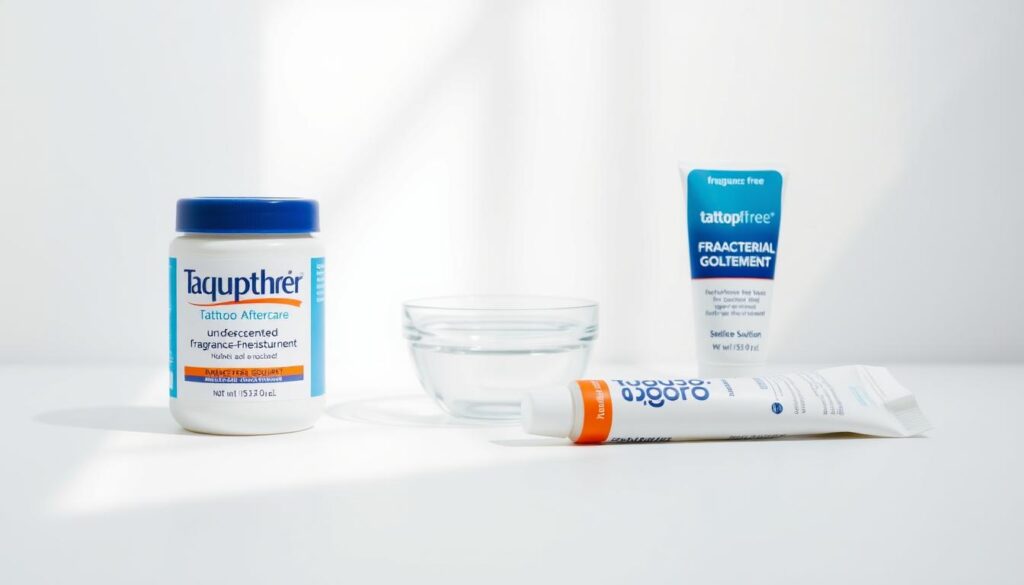
The foundation of effective tattoo aftercare lies in knowing what’s in your healing products. Specific components work together to create optimal conditions for skin recovery while maintaining ink clarity.
Overview of Aquaphor’s Composition
This multi-purpose ointment combines science-backed elements. Petrolatum forms 41% of the formula, acting as a breathable shield against contaminants. Unlike basic petroleum jelly, it’s enhanced with skin-nourishing agents that address multiple healing needs simultaneously.
How Ingredients Like Petrolatum, Lanolin, and Glycerin Work
Three core components create a moisture-balancing trifecta:
- Petrolatum: Creates an air-permeable barrier that locks in hydration
- Lanolin: Mimics skin’s natural oils to prevent moisture loss
- Glycerin: Pulls water from the environment into damaged areas
Additional elements boost healing potential. Bisabolol calms irritation like a chamomile compress, while panthenol accelerates cell renewal. This synergy explains why many artists recommend it over single-ingredient options. For more details on integrating this ointment into your tattoo aftercare routine, explore our comprehensive guide.
The Importance of Effective Tattoo Aftercare
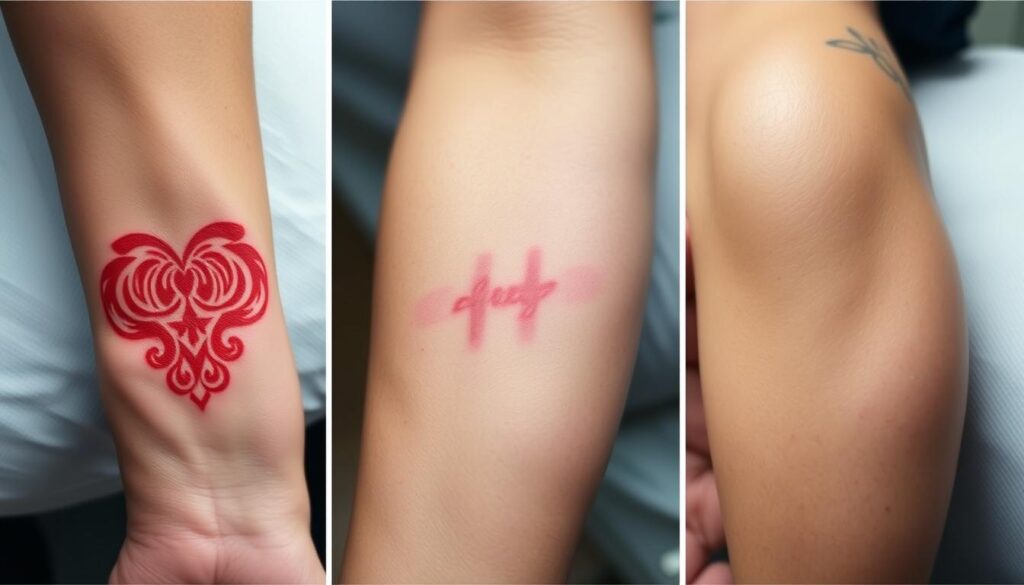
Your fresh body art isn’t complete when the needle stops – it’s just beginning its transformation. Think of aftercare as the invisible artist working to preserve every line and shade while your body mends.
Healing Process and Moisture Retention
New tattoos create microscopic openings in your skin that need careful attention. During the first 48 hours, your body starts forming protective plasma to seal these wounds. By day 3, you’ll notice slight peeling – this is when moisture management becomes critical.
Proper hydration prevents thick scabs from forming. Thin layers of protective products allow oxygen flow while maintaining the ideal damp environment. Most artists recommend applying products 2-3 times daily during the initial healing process.
Risks of Improper Aftercare
Skip your aftercare routine, and you might face more than faded colors. Bacterial infection risks peak in the first two weeks when open skin acts like a welcome mat for germs. Scratching dry patches can pull out ink particles, leaving permanent blank spots.
Over-moisturizing causes different problems. Clogged pores lead to pimples that distort designs, while excessive ointment creates a breeding ground for yeast. Balance is key – your tattoo needs protection without suffocation.
Is Aquaphor Good for Tattoos?
Tattoo aftercare debates often center around one versatile product. Artists and clients alike praise its ability to maintain vibrant designs while preventing complications. Let’s examine why this option remains popular despite emerging alternatives.
Professional Opinions: Benefits vs Concerns
Many experts champion this ointment for its triple-action formula. “The balance of protection and breathability helps prevent both cracking and suffocation,” notes a Brooklyn-based tattoo artist. Key advantages include:
- Enhanced healing through controlled moisture retention
- Reduced irritation from anti-inflammatory components
- Easy availability compared to specialty products
Some professionals caution against overuse during later stages. Thick applications might trap excess fluid against fresh ink. Always pair it with a gentle cleanser to maintain hygiene.
Mechanics of Skin Recovery Support
During the critical first week, this commonly used product creates microscopic air channels. These allow oxygen flow while shielding damaged skin from contaminants. Its properties help:
- Maintain ideal humidity for cell regeneration
- Prevent scab formation that can pull out pigment
- Minimize color distortion from inflammation
Transition to lighter moisturizers once peeling begins. This prevents clogged pores while letting your design settle properly. Remember – technique matters as much as product choice.
Step-by-Step Guide: Applying Aquaphor to Your New Tattoo
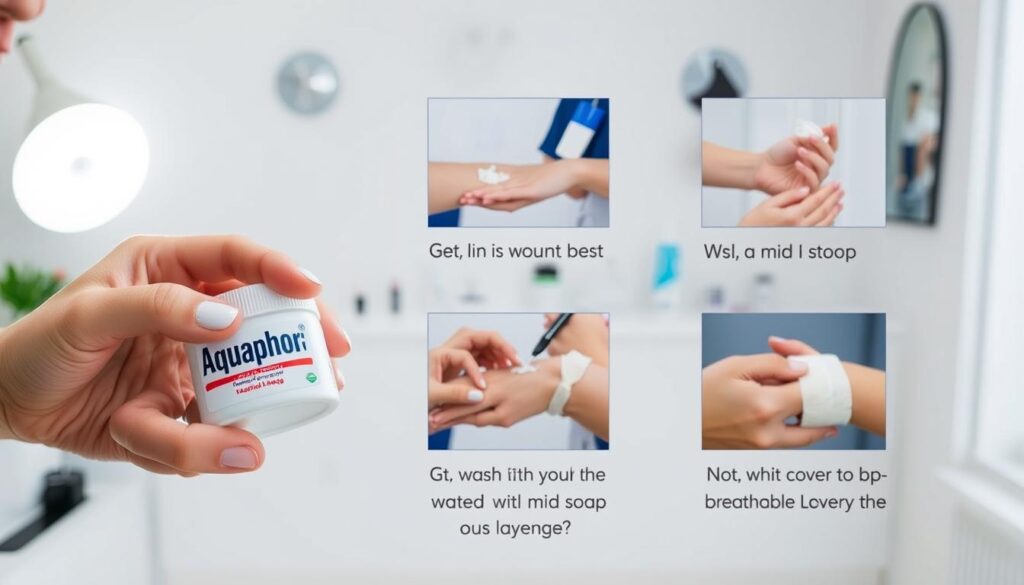
Your fresh body art deserves a healing ritual as precise as the needlework that created it. Proper application techniques make the difference between a vibrant masterpiece and a patchy disappointment.
Initial Cleaning and Application Techniques
Begin by removing your artist’s bandage after 24 hours. Wash hands thoroughly, then cleanse the area with unscented soap and lukewarm water. Pat dry with paper towels – never rub sensitive healing skin.
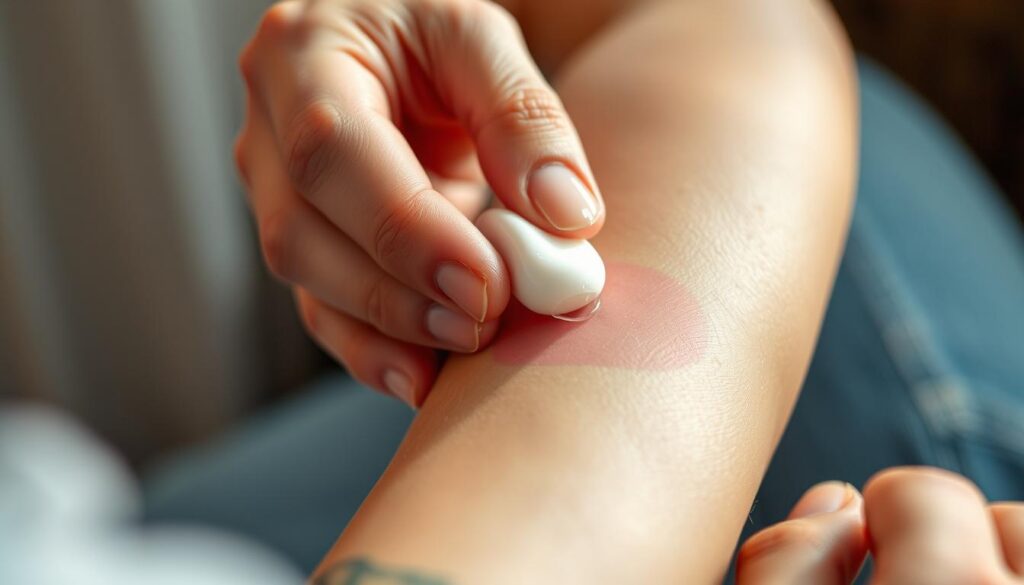
Apply a thin layer of ointment using clean fingertips. Imagine spreading sunscreen – you want barely enough to create a shimmer. Repeat this process 2-3 times daily during the first week, maintaining clockwork consistency.
When to Switch from Ointment to Lotion
Transition when your design starts peeling like a sunburn – usually around day 7. Swap to fragrance-free lotion once surface wounds close completely. This shift prevents clogged pores while keeping colors hydrated.
Remember: over-moisturizing traps bacteria. If your new tattoo feels slimy, use less product. Healthy care balances protection with breathability for optimal results.
Comparing Aquaphor with Other Tattoo Aftercare Products
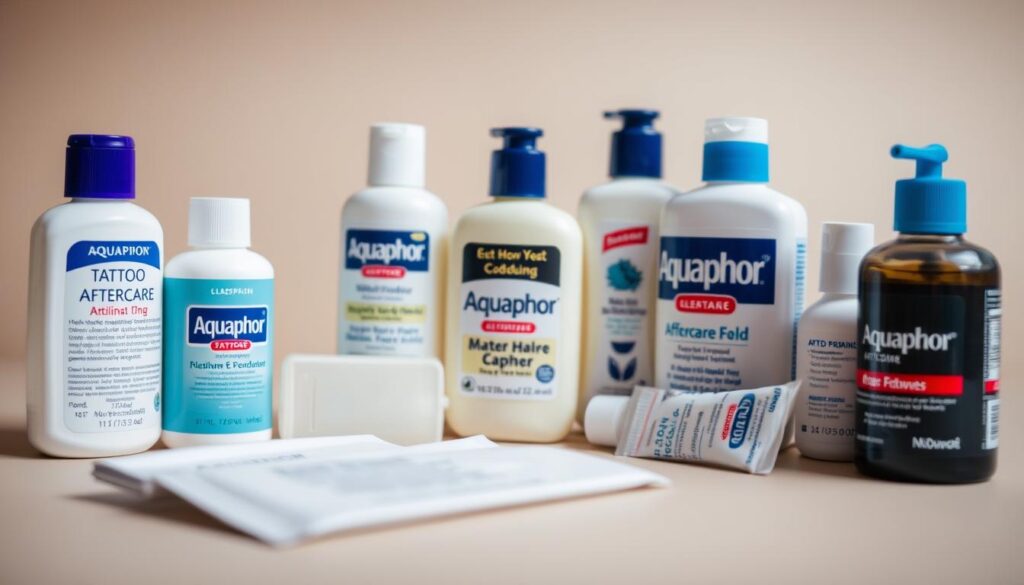
Your tattoo’s longevity depends as much on product selection as artistic skill. Different formulas create unique healing environments – some promote vibrant results, while others risk smudging or infection.
Petroleum-Based Options Breakdown
Not all petroleum jelly products work equally. Pure versions create an airtight barrier that traps moisture and bacteria. Aquaphor’s 41% petroleum base combines with breathable elements for safer healing.
| Product | Key Ingredients | Breathability | Best For |
|---|---|---|---|
| Vaseline | 100% petroleum | Low | Dry skin (not fresh ink) |
| Aquaphor | 41% petroleum + lanolin | Medium | First-week healing |
| A+D Ointment | Petrolatum + vitamins | Medium | Sensitive skin types |
Plant-Based Healing Alternatives
Natural oil blends attract those avoiding synthetic ingredients. Coconut oil offers light moisture but lacks protective barrier qualities. Specialized balms with shea butter and vitamin E balance hydration with infection prevention.
Consider these factors when choosing products:
- Healing stage requirements
- Skin sensitivity to plant extracts
- Need for antimicrobial properties
Premium tattoo-specific options often include hemp extracts or zinc oxide. These address both moisture retention and pigment preservation simultaneously.
Best Practices for Tattoo Aftercare and Skin Protection
Your tattoo’s lasting brilliance depends on daily care habits that go beyond product selection. Smart protection strategies keep colors sharp while shielding vulnerable skin during its recovery phase.
Cleaning Essentials for Fresh Ink
Always wash hands before touching healing areas to prevent infection. Use a fragrance-free antibacterial soap during cleansing – gentle circular motions remove debris without scrubbing. Pat dry with disposable towels to avoid fiber residue.
Avoid pools and baths for 14 days. Brief showers are fine, but prolonged moisture breaks down your skin barrier. Wear loose cotton clothing outdoors instead of sunscreen during early healing – fabrics block UV rays without clogging pores.
Resist picking at flakes or scabs. Let dry skin shed naturally to preserve pigment. Once fully healed, apply broad-spectrum sunscreen daily. This prevents fading while maintaining your design’s crisp edges.