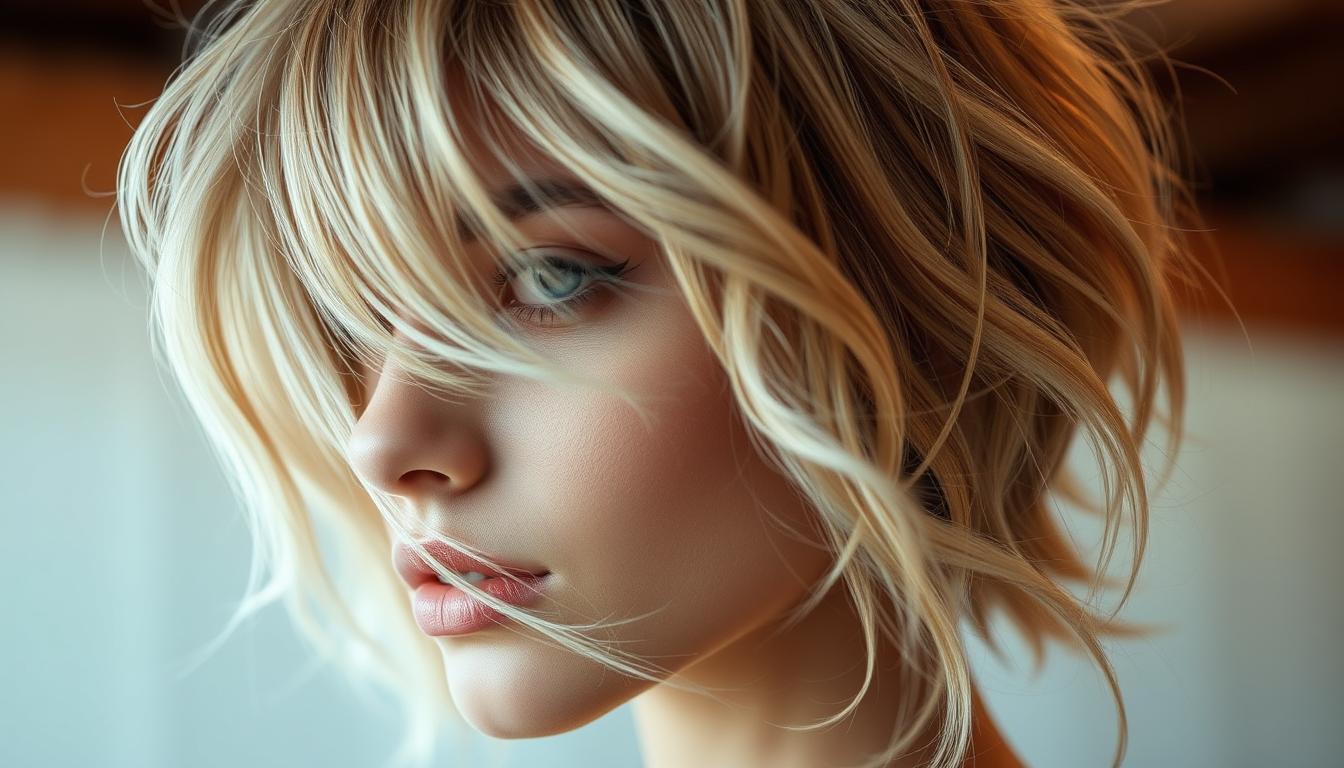
What if your next haircut could give you the perfect mix of rebellion and sophistication? This isn’t just another fleeting trend—it’s a revolution in styling that’s reshaping how we think about texture, volume, and individuality. The secret lies in a daring blend of two iconic looks, creating a style that’s as adaptable as it is eye-catching.
Celebrities and style enthusiasts are buzzing about this effortlessly cool approach to hair design. Imagine the free-spirited vibe of a shag meeting the boldness of a mullet, but with a modern twist that suits straight, wavy, or curly textures. The result? A look that frames faces beautifully while adding instant edge.
Why has this become the go-to choice for everyone from TikTok creators to A-listers? It’s simple: versatility meets attitude. Whether you’re after low-maintenance charm or runway-ready drama, this cut works overtime to deliver. Our guide breaks down everything from finding your ideal variation to mastering day-to-day styling—no salon visit required.
Key Takeaways
- Combines elements of shag and mullet styles for a bold, textured look
- Customizable for all hair types and face shapes
- Gained popularity through celebrity endorsements and social media
- Includes tips for styling and maintaining the signature tousled effect
- Adapts easily to both casual and formal occasions
Understanding the Wolf Cut Phenomenon
Why are fashion insiders obsessed with this perfect storm of texture and attitude? The answer lies in a style that defies traditional rules while celebrating individuality. At its core, this look thrives on contrast—structured chaos that feels intentional yet effortless.
Defining the Wolf Cut and Its Elements
Central to this trend are voluminous layers that add depth and movement. Stylists focus on creating shorter sections at the crown to lift roots, while longer pieces cascade around the face and neck. This strategic balance ensures every head turn reveals a new dimension.
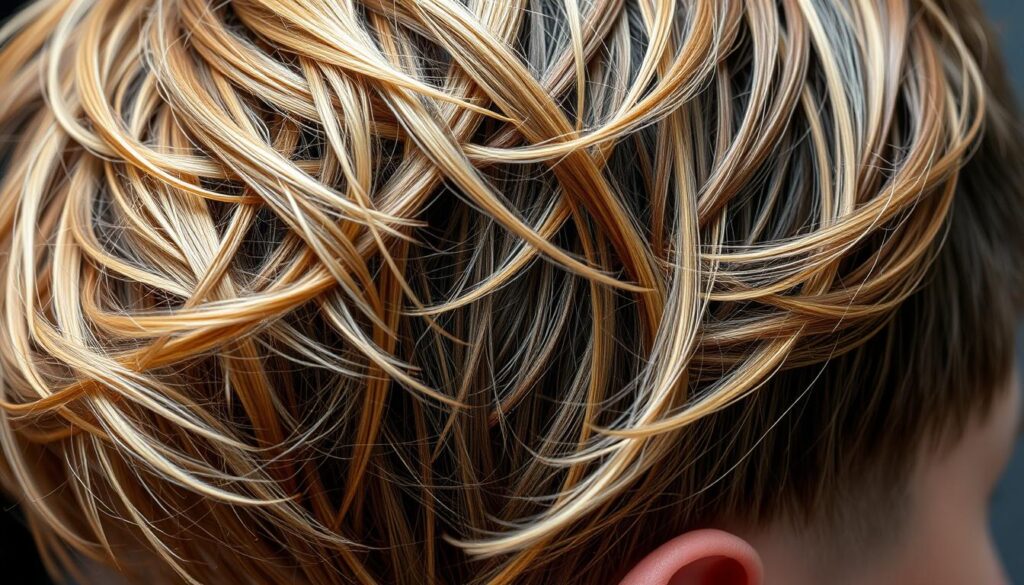
What truly sets it apart? Choppy finishes that mimic natural, windswept patterns. Unlike uniform trims, irregular edges create a lived-in vibe that’s easy to maintain. The result? A style that grows out gracefully while keeping its bold personality.
| Feature | Shag | Mullet | Wolf Cut |
|---|---|---|---|
| Volume Placement | Even distribution | Back-focused | Crown-focused |
| Texture Type | Soft layers | Smooth transitions | Razor-cut edges |
| Styling Flexibility | Polished waves | Retro sleekness | Messy or defined |
How It Blends the Shag and Mullet Trends
Modern takes on retro styles merge the shag’s face-framing magic with the mullet’s daring contrast. Designers kept the shag’s flattering angles but added the mullet’s unexpected length play. The update? Softer transitions between sections for wearable edge.
This fusion resonates because it honors nostalgia while feeling fresh. It’s not about choosing between polished and wild—it’s having both. The best part? It adapts to straight strands, bouncy curls, or beachy waves without losing its signature spirit.
The Evolution of Wolf and Shag Haircuts
Retro hairstyles never truly fade—they evolve into something fresh and unexpected. The journey from 1970s rockstar vibes to today’s viral styles shows how bold ideas get reinvented for new generations.
From Retro to Modern: A Brief History
The shag’s story began with 1970s icons like Jane Fonda, who popularized its carefree layers. By the 1980s, mullets added rebellious contrast—business up front, party in the back. Though often mocked, these looks planted seeds for today’s wolf cut.
Fast-forward to the 1990s: Cameron Diaz and Halle Berry rocked short, textured modern shag haircut variations that balanced edge with femininity. These “bixie” styles resurfaced in 2021, blending nostalgia with contemporary flair.
Stylists then got creative. They mixed shaggy layers, mullet-inspired lengths, and razor-cut texture. Social media transformed this experiment into a global sensation. TikTok tutorials made DIY versions accessible, while Instagram filters let users “try on” the look before committing.
What changed? Older styles demanded frequent trims and hot tools. Today’s versions use natural texture—a quick scrunch with sea salt spray creates that lived-in charm. This shift mirrors our desire for self-expression without high maintenance.
Celebrity Trends and Influences on Wolf Cuts
Red carpets and Instagram feeds buzz with fresh takes on this rebellious style. A-listers have transformed it from underground trend to mainstream must-have, proving its adaptability across ages and aesthetics.
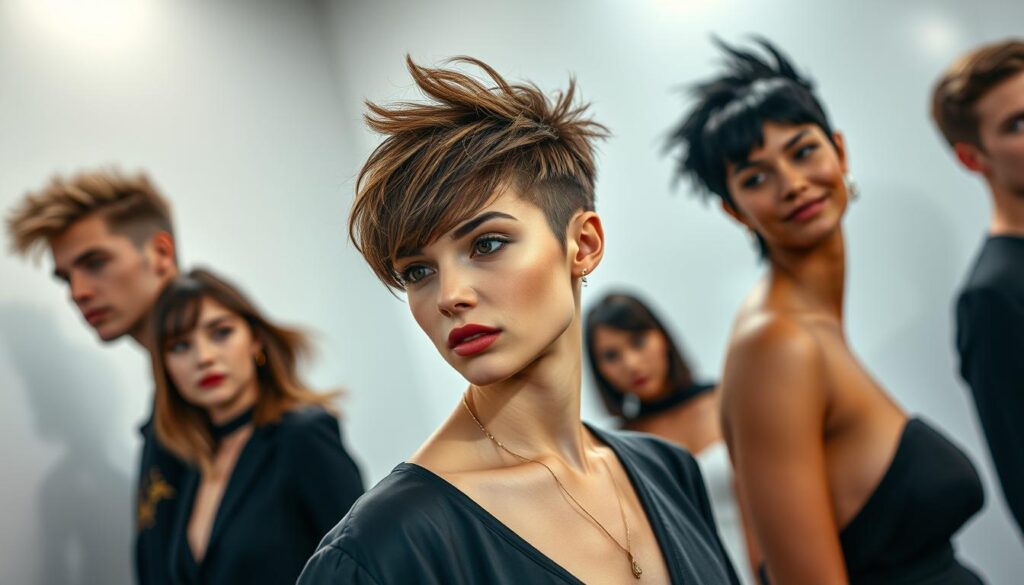
Icons Who Popularized the Look
Charlize Theron stunned at the Oscars with a sleek interpretation, pairing razor-sharp layers with platinum tones. Her version showed how edgy texture can coexist with black-tie glamour. Helen Mirren countered stereotypes by rocking a silver-toned variation at 78, pairing tousled ends with face-framing pieces.
Drew Barrymore’s curtain bangs softened her choppy ends, creating a mom-next-door vibe. Meanwhile, Cara Delevingne’s wolf-bixie hybrid at the Met Gala fused punk roots with haute couture drama. Their stylists reveal the secret: “We kept the attitude but refined the proportions for each personality.”
Impact on Contemporary Styling
Celebrity adaptations sparked creative variations nationwide. Salons report 40% more requests for “soft wolf” trims with blended layers since 2023. The table below shows how star power reshaped styling approaches:
| Celebrity | Style Feature | Mainstream Adoption Rate |
|---|---|---|
| Theron | Polished layers | +62% |
| Mirren | Silver texture | +55% (age 50+) |
| Barrymore | Bangs integration | +48% |
| Delevingne | Undercut fusion | +37% |
TikTok tutorials tagged #CelebWolfCut now boast 890M views. Stylists credit this surge to filtered try-ons and behind-the-scenes salon footage. As one trend analyst notes: “When stars own a look, fans want the real thing—not just copies.”
Layer Wolf Cut Hair: Styling Tips & Techniques
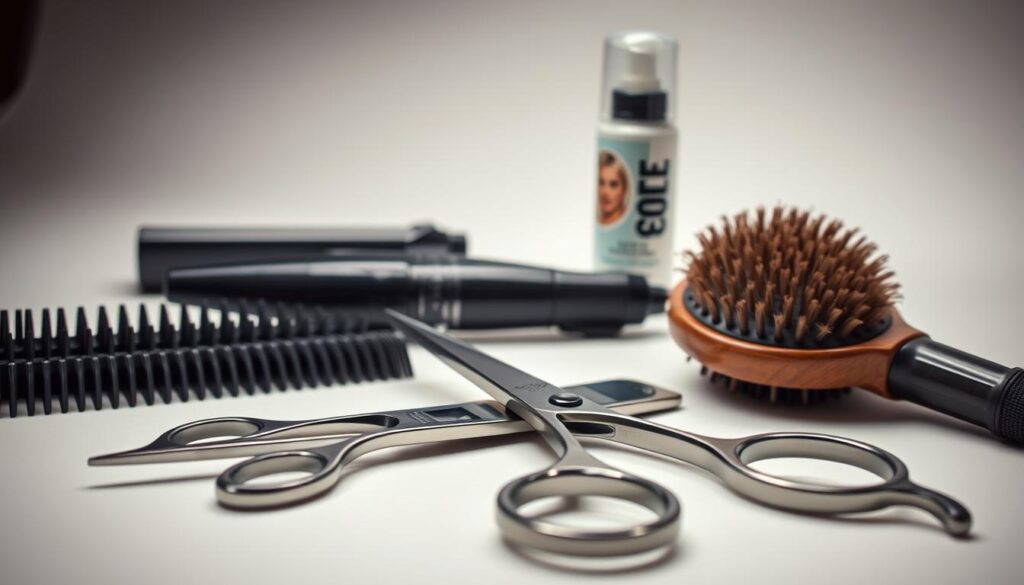
Unlock your style’s full potential with the right arsenal. Strategic tool selection separates basic looks from salon-worthy results that last all day.
Essential Equipment for Dynamic Looks
Professional stylists rely on six key items to create signature movement:
| Tool | Purpose | Pro Tip |
|---|---|---|
| Ionic dryer | Reduces frizz while drying | Use concentrator nozzle |
| Ceramic iron | Creates bendable waves | 1.5″ barrel works best |
| Boar bristle brush | Boosts root volume | Section hair when blowdrying |
Heat protection forms your first defense. “Always apply spray before thermal tools—it’s like sunscreen for strands,” advises celebrity stylist Mara Roszak. Pair with volumizing mousse at damp roots for memory-packed lift.
Crafting Dimension Through Technique
Start by rough-drying with fingers to encourage natural wave patterns. Flip head upside down while blasting roots with medium heat. For straight types, use a flat iron to create strategic bends:
- Clamp 2″ sections near mid-lengths
- Twist iron 180° while pulling downward
- Alternate curl directions every other piece
Finish with texturizing spray scrunched into ends. This combo maintains flexibility while locking in that “just-left-the-salon” freshness. For extra staying power, mist light-hold hairspray 12″ from head.
Best Wolf Cut Options for Different Hair Lengths
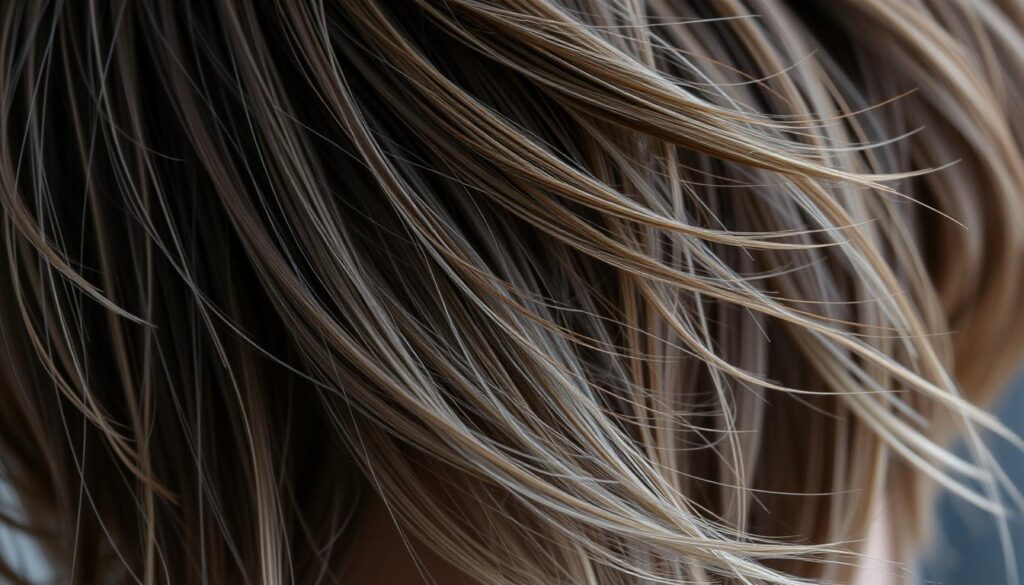
Your strands’ potential shines brightest when length meets strategy. This style adapts beautifully across dimensions, offering tailored solutions for every preference and lifestyle.
Chin-Length and Shoulder-Length Inspirations
Short styles pack serious punch. For jaw-grazing lengths, stylists recommend:
- Angled front pieces to elongate necklines
- Blunt ends with subtle razoring for movement
- Root-lifting products to combat flatness
Shoulder-skimming versions excel at balance. They maintain manageable proportions while allowing cascading layers. Consider curtain bangs blended with choppy textures for soft-edge contrast.
Long Hair Variations for a Dramatic Look
Extended lengths become canvases for bold expression. Master the wild aesthetic with:
- Feathered ends that sway with movement
- Face-framing sections cut at 45° angles
- Mid-length layering to prevent triangular shapes
Fine textures benefit from staggered graduation—longer layers create fullness without sacrificing density. Thick manes thrive with deeply textured ends that remove bulk while keeping edge.
| Hair Type | Technique | Result |
|---|---|---|
| Straight | Point-cutting | Added dimension |
| Wavy | Dry cutting | Enhanced bounce |
| Curly | Slide cutting | Defined ringlets |
Customizing Your Wolf Cut for Your Face Shape
Balance transforms bold trends into personalized statements. This style becomes uniquely yours when tailored to enhance natural features. Let’s explore how to adapt its signature edge to flatter every facial structure.
Smart Adjustments for Maximum Impact
Oval faces enjoy flexibility—most variations work beautifully. Try textured ends that graze cheekbones for added definition. Round shapes benefit from longer front pieces that create vertical lines, balancing width.
Square jawlines soften with feathered layers starting at chin level. These wispy ends redirect attention upward. Heart-shaped faces shine with longer side strands that narrow the forehead while accentuating delicate chins.
| Face Shape | Styling Focus | Bangs Recommendation | Layer Technique |
|---|---|---|---|
| Round | Elongation | Side-swept | Angled front pieces |
| Square | Softening | Curtained | Feathered ends |
| Heart | Balance | Wispy | Long face-framers |
| Oblong | Width creation | Full fringe | Crown volume |
For rectangular faces, build fullness at the crown with choppy layers. Pair with blunt bangs to shorten vertical proportions. No fringe? No problem. Strategic face-framing pieces achieve similar harmony without commitment.
Stylists suggest: “Always mirror your strongest feature. If you love your eyes, direct layers toward them.” This approach ensures your style highlights what makes you distinctive while maintaining its rebellious roots.
Navigating Texture: Straight, Wavy, and Curly Options
Your natural waves or coils aren’t limitations—they’re the blueprint for your ideal style. This look thrives on individuality, adapting to enhance what you already love about your strands.
Techniques for Enhancing Natural Hair Texture
Straight strands gain instant personality with razor-cut ends that catch the light. Stylists often use point-cutting to create feathery bangs that break up sleekness. “The goal is to create movement without frizz,” explains LA-based stylist Jenna Lee. Sea salt sprays work wonders for adding grit to smooth surfaces.
Wavy textures become style partners rather than projects. Embrace air-drying with curl-enhancing creams after showers. Focus layers around the crown to amplify natural body. This approach reduces styling time while maximizing that effortless bedhead vibe everyone craves.
Curly queens rejoice—this cut celebrates your spiral patterns. Dry cutting techniques preserve curl integrity while removing bulk. Short styles with cropped fringes let ringlets spring to life. For maintenance, try the praying hands method when applying gels to maintain definition.
| Hair Type | Styling Focus | Product Recommendation |
|---|---|---|
| Fine | Root volume | Volumizing mousse |
| Thick | Bulk reduction | Texturizing shears |
| Coily | Definition | Custard stylers |
Delicate strands need strategic layering. Ask for graduated tiers starting at chin level—this maintains fullness while creating shape. Thick manes handle deeper notching near ends to remove weight. Always finish with a light-hold spray to keep textures intact all day.
DIY Styling and Maintenance for a Trendy Look
Transform your bathroom into a salon with pro-approved techniques that preserve your style’s edge. Start by wrapping damp strands in a microfiber towel—this absorbs moisture without roughing up the surface. When 80% dry, apply heat protectant from mid-lengths to ends. This step acts like armor against styling tools.
Essential Tools for Home Styling
Volumizing mousse works best when applied at the roots. Use fingertips to massage it into sections for lift that lasts all day. Blow-dry with a round brush, angling the nozzle upward to boost height. For wavy textures, alternate curling iron directions—clockwise on one side, counter on the other.
Simple Routines for Maintaining the Cut
Keep that lived-in texture with weekly deep conditioning masks. Focus on mid-lengths to prevent dry ends. Colored styles stay vibrant with root touch-ups every 4-6 weeks. Use texturizing spray between washes to revive bends without heat.
For stubborn straight types, flat irons create soft bends. Clamp sections for 3 seconds, then twist the tool while gliding downward. Finish with light-hold hairspray to lock in movement. These tricks keep your look fresh for weeks!