
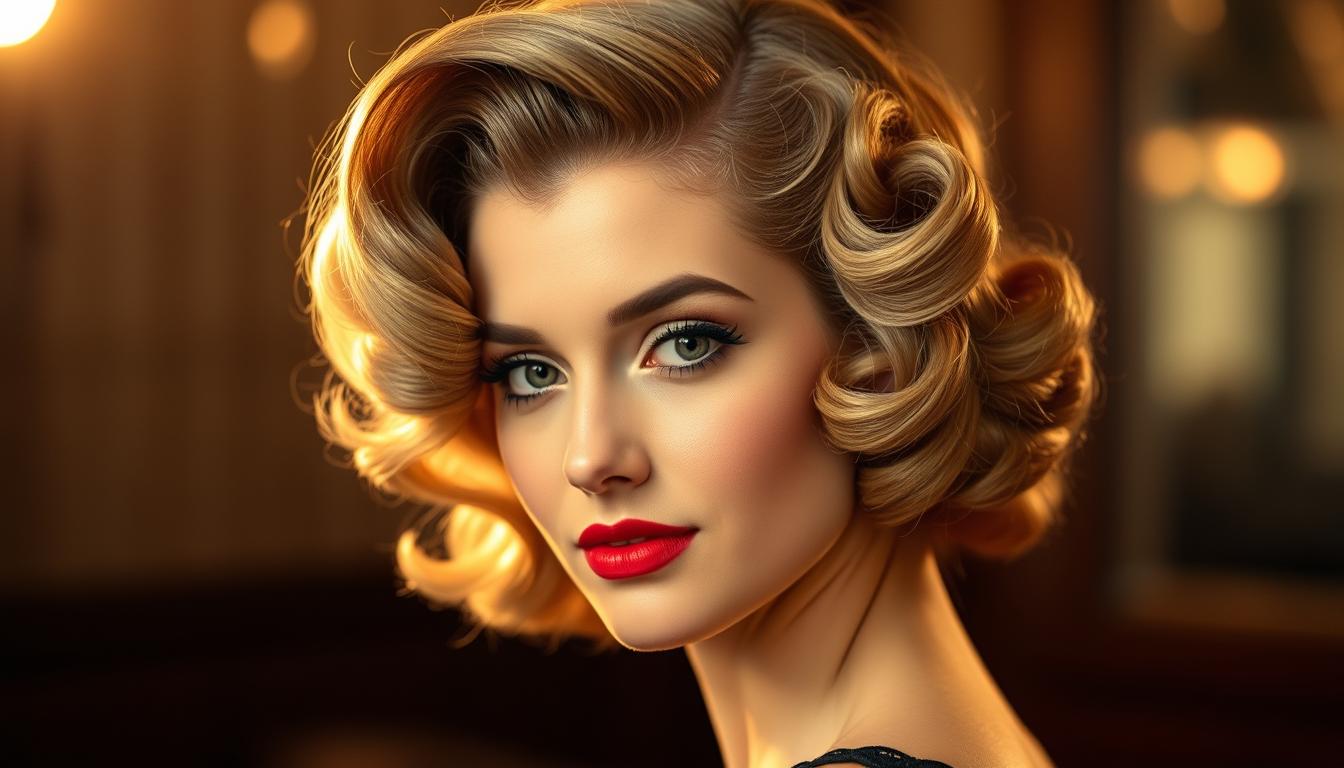
Discover a simple way to recreate period charm that blends vintage glamour with practical techniques. This guide shows how women of the past kept hair neat and off the face while still looking polished for work or an evening event.
You’ll learn the defining features of these hairstyles, how to prep correctly, and a clear step-by-step method from set to brush-out. I explain the tools and products used then and now, including rollers, pins, and setting aids.
Sectioning matters: top, sides, and back placements shape the finished silhouette. I also cover how to adapt the approach by length and texture so the final look feels authentic and wearable for modern life.
Beginner-friendly tips make the process forgiving. With consistent section sizes and a firm brush-out, you can build soft waves or sculpted curls that move toward the neckline and last through a busy time or special event.
Key Takeaways
- Vintage glamour meets practical steps you can master at home.
- Clear prep and sectioning lead to even, repeatable results.
- Tools: rollers, pins, setting aids; products modernized for hold.
- Adapt methods for different length and texture.
- Directional brush-out creates smooth movement and durability.
Vintage glamour made simple: what defines 1940s hairstyles and why they still wow
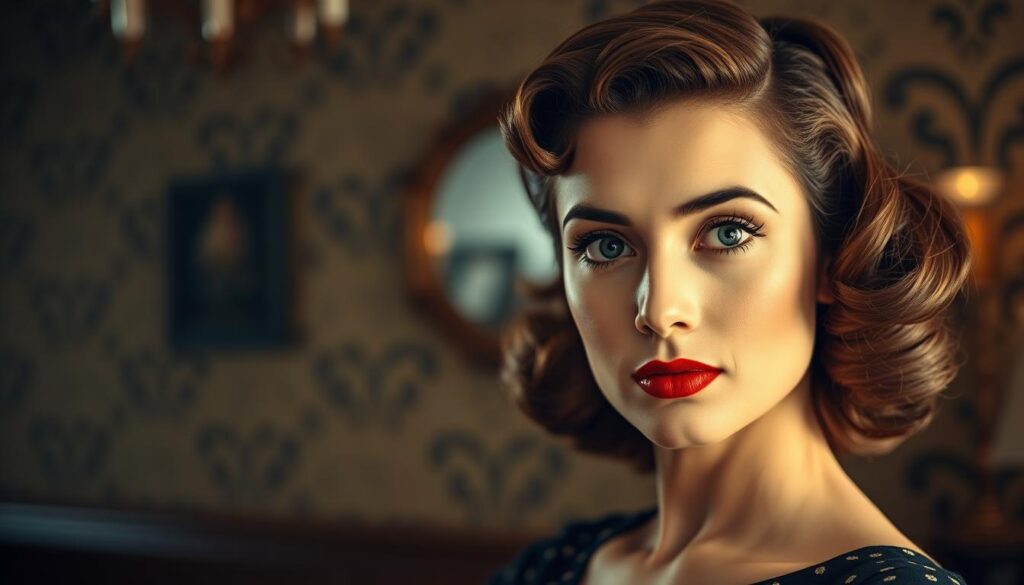
Functional structure met high style to create the era’s memorable looks. Wartime practicality pushed women toward secure, neat shapes that kept the face clear for work and motion.
The result was a clean silhouette built from set rolls, pin curls, and careful brush-out. Veronica Lake and other stars popularized soft, deep waves that read as both glamorous and intentional.
Common motifs include side-swept waves, rolled fronts, tidy napes, and dressed crowns that frame without hiding the face. Set hair — not air-dried straightness — delivered the lift and hold that made these shapes last all day.
- Balance: polished shapes that stay off the face yet show soft waves and controlled curls.
- Practical roots: secure styles for work that transition easily to evening glam.
- Accessible: roller or pin-curl sets made the look achievable at home.
Post-war trends smoothed the texture, but the core toolkit stayed: solid foundation, correct setting, and a careful brush-out. That is why this timeless look still wows at weddings, themed events, and on modern red carpets.
Prep like a pro: setting hair for a lasting 1940s look
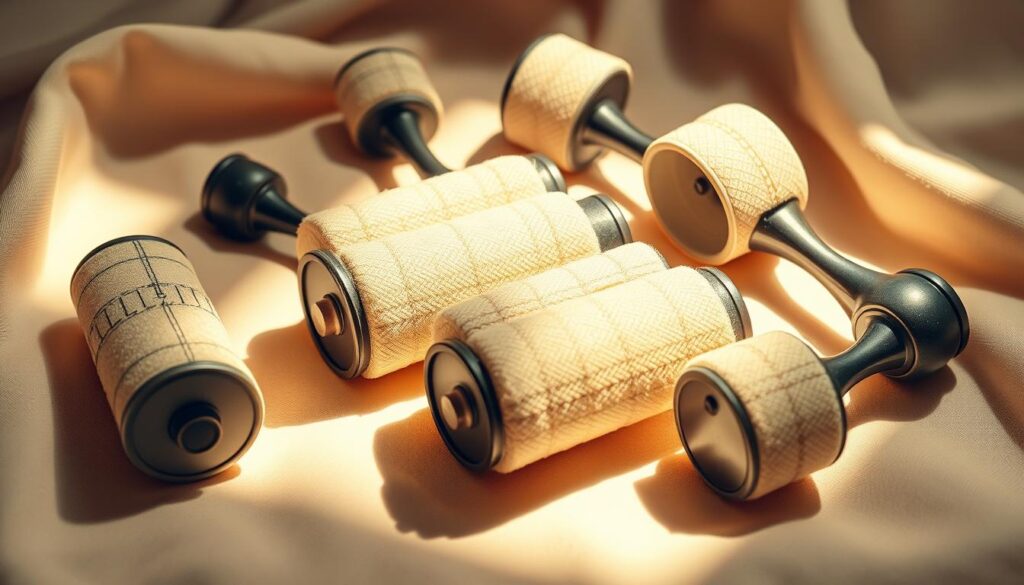
A reliable set begins with smart sectioning and the right products. Match your chosen method to your length and hair type: pin curls work best on fine or straight hair, while rollers speed the process for medium long hair or thicker textures.
Tools and products to have ready
Use a light, even application of setting lotion before placing rollers or pin curls. Have a rat-tail comb for clean partings, sectioning clips, 1.5″ Grip-Tuth Hairtainer combs for hold, bobby pins, two brushes for control, a dab of pomade, and strong-hold hairspray.
Sectioning map and roll directions
Divide the top from the forehead to the apex, split the sides above the ears, and make neat rows through the back. Keep the crown area tidy so volume sits where it belongs.
“Top rolls go diagonal-forward; sides roll forward perpendicular to the floor; the back uses a bricklay pattern.”
Smaller, consistent sections create uniform curls that brush into smoother waves. Use a hooded dryer for about 20 minutes, or air-dry fully before release. Patience while drying avoids loose curls and preserves the final shape.
Finish prep notes
- Light setting lotion supports curl memory without weighing strands down.
- Apply a pea-sized amount of pomade to smooth flyaways before brush-out.
- Secure sets with Grip-Tuth-style combs and pins as needed for long hold.
When your set is even, the sculpting steps that follow become far easier and more enjoyable. For a helpful reference on parting and side placement, see this guide to a classic side part.
Step-by-step: create 1940s inspired hair at home

Begin with a simple plan: place three diagonal-forward rollers on the top from the forehead to the apex. Roll each side forward perpendicular to the floor and set the back in a bricklay pattern for smooth blend.
Dry, release, and brush-out
Dry fully—about 20 minutes under a hooded dryer or until crisp. Release rollers gently.
Brush the back hair first as one unit toward the neck, brushing under to flip the ends and form neat waves. Work a little pomade through your palms and smooth the surface while you brush.
Sculpt and secure
Use a 1.5″ Grip-Tuth style comb to lock placement: tip the teeth diagonally into the scalp, skim to the spot, then press back so the comb grabs and hides. Add a discreet bobby pin or two inside curls where more reinforcement is needed.
Polish and finish
Brush the top head diagonally back, twist the base slightly, and set a comb at the root for hold. Let a shaped piece hover over the forehead to break the hairline, then mist with firm-hold hairspray and tidy the crown area and ends for a polished look.
Style variations to try: victory rolls, pin curls, pageboy, and Old Hollywood waves
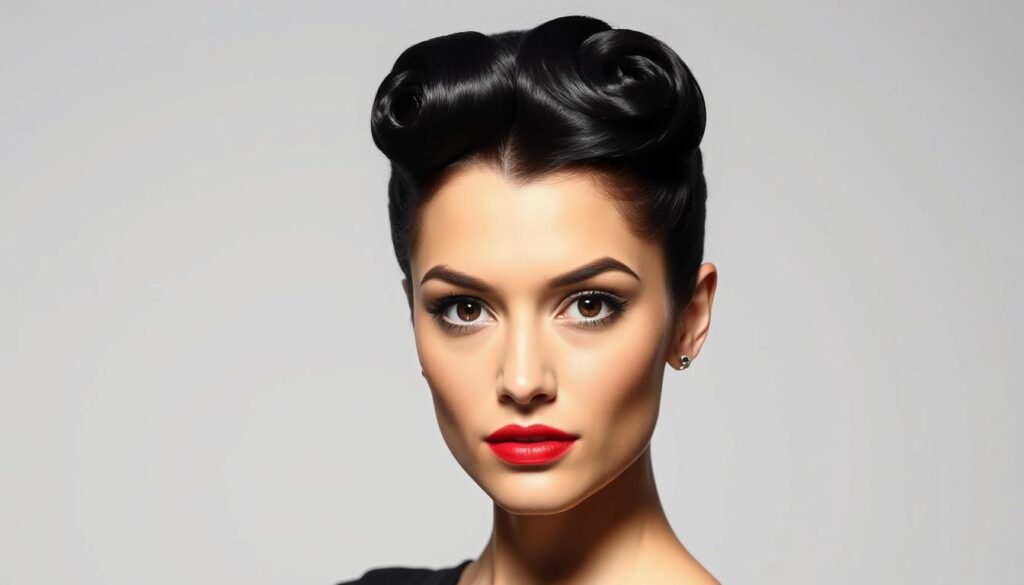
Choose one focal element—height, smoothness, or glossy waves—and build around it. That lets you mix classic moves to suit your face and the event.
Victory rolls for height and drama
Victory rolls add instant height and vintage flair. Backcomb lightly, form the roll, then secure with combs and pins for balance.
Pin curls for uniform shape
Pin curls give long hold and neat ridges. Set evenly sized coils and brush into connected waves for a sculpted finish.
Pageboy and curled bob
Choose a pageboy for a sleek perimeter with ends turned under. This suits medium long and long hair when you want a tidy outline.
Old Hollywood waves
Curl sections in the same direction, brush into S-shaped waves, and clip until cool. For a reference mood, think Veronica Lake.
“Mix a single victory roll with a waved pageboy to create a personal signature.”
| Style | Best for | Key tip |
|---|---|---|
| Victory rolls | Short to long | Backcomb base, secure with comb |
| Pin curls | Straight hair, medium long | Even coils, brush into ridges |
| Pageboy | Medium long, long hair | Turn ends under for neat edge |
| Old Hollywood waves | Long hair, medium long | Curl same direction, cool clipped |
- Adjust roll size for proportion.
- Use a deep side part to soften or add structure.
- Add a scarf or comb to anchor styles around head during an event.
Keep your 1940s hairstyle flawless all day
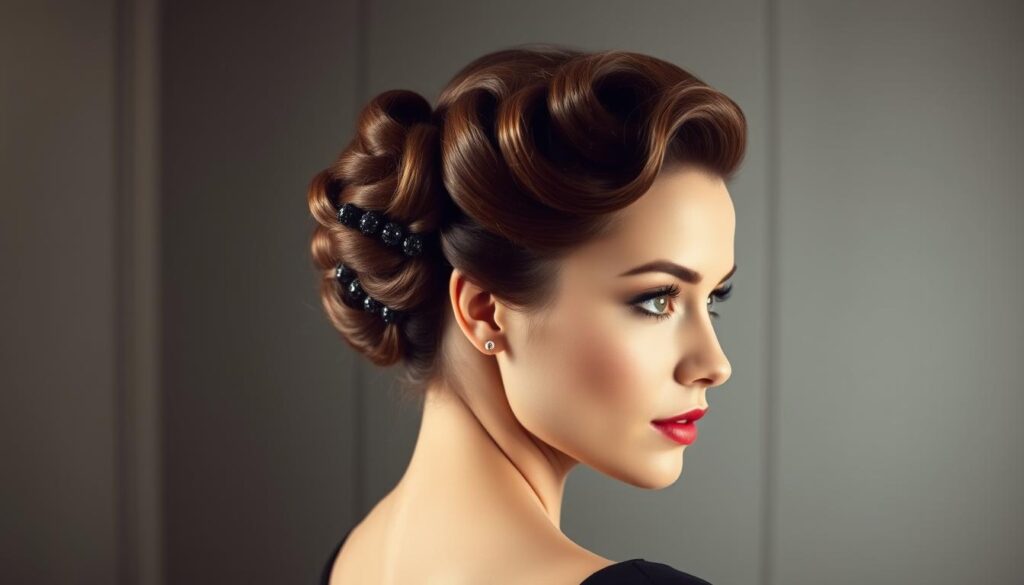
A compact kit and a few routine moves let your style survive humidity, travel, and long time on your feet. Pack a small comb and a travel-size strong-hold hairspray to re-direct waves or smooth flyaways without disturbing the set.
Build quick checks into breaks so you can keep hair neat and the silhouette intact. If a roll loosens, add or tighten discreet pins and skim the surface with your comb to restore sheen.
Use a light mist of setting lotion or refresher spray on your palms for gentle re-sculpting around the hairline and ends. When you face the same way you want the wave to sit and comb in that way, you get a fast reset that respects the original set pattern.
Protect strands at every turn: apply heat protectant before hot tools and use a weekly deep conditioning mask to counter dryness from styling. Schedule trims every 6–8 weeks to remove split ends so waves and rolls set cleanly.
“Keep shine high and frizz low with a drop of serum, but use sparingly so the style stays buoyant.”
- Pack a comb and travel hairspray for quick touch-ups.
- Plan checks for humidity, wind, or long schedules to keep hair neat.
- Reinforce anchor points with pins and smooth with a comb.
- Use setting lotion lightly to refresh shape without weighing down the style.
- Prioritize heat protection, weekly conditioning, and salon trims every 6–8 weeks.
For a routine that blends classic set care with modern cuts and maintenance, see how a fresh cut can change upkeep in the way you manage waves and volume: surfer cut.
Conclusion
A tidy final pass ties together rollers, pins, and brush-out into a clear silhouette. Finish by sweeping the top toward the neck and smoothing the sides so the back sits clean and supported.
Use a comb diagonally at the root and a couple of pins to lock placement without bulk. That simple anchoring keeps curls and waves intact and makes quick touch-ups faster.
Choose one signature look—victory rolls, a neat pageboy, or flowing waves—and let proportion guide where you place volume around the forehead and sides. For medium long or straight hair, favor slightly larger rolls or patient pin curls to build reliable shape.
With steady practice, your hands learn the way the brush leads the curl and where each comb should go. The result is a repeatable 1940s hairstyle you can wear day or night with confidence.