

What if your body art could evolve with your life story? Imagine a canvas where every piece tells its own tale, free from rigid themes or timelines. This is the magic of patchwork tattoos—a growing trend redefining how people approach self-expression through ink.
Unlike traditional sleeve designs that flow seamlessly, this style celebrates individuality through standalone pieces. Each tattoo design acts like a chapter in your personal visual diary. You get to curate a collection that grows organically over years or even decades.
Why are so many choosing this approach? The answer lies in its flexibility. You can mix styles—watercolor blooms beside geometric shapes, or bold linework next to delicate shading. Negative space becomes part of the art, letting your skin breathe between pieces.
Key Takeaways
- Collections grow over time without requiring a single theme
- Negative space enhances visual impact between designs
- Combines multiple artistic styles in one cohesive look
- Ideal for gradual commitment versus large-scale projects
- Offers storytelling through individually meaningful pieces
Ready to explore how this modern body art style works? Let’s break down what makes these collages of ink so uniquely captivating—and how you can start building your own.
Understanding Patchwork Tattoos
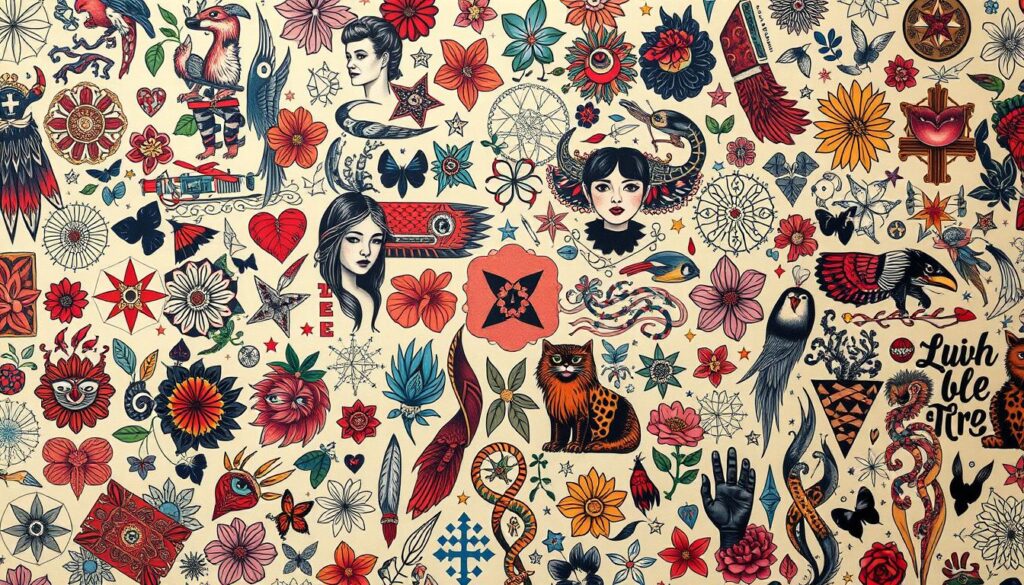
Think of your body as a living gallery where every piece holds its own spotlight. This modern approach to self-expression lets you build visual narratives through standalone artworks that complement each other naturally.
More Than Random Placement
These curated collections work like a photo album etched into your skin. Each design remains distinct yet contributes to a bigger picture. You might pair a bold geometric shape with soft floral patterns, creating contrast that tells two parts of your story.
Breathing Room Matters
The untouched areas between designs aren’t empty spaces—they’re intentional pauses. Like frames around paintings, these skin gaps make individual pieces stand out. You maintain flexibility to add new elements later without overcrowding existing artwork.
Mixing styles becomes your superpower here. Want realism next to abstract watercolor? Go for it. This method lets you collaborate with different artists over years, blending their unique techniques into a cohesive display. Your collection grows at your pace, reflecting life’s changing chapters through intentional gaps and connections.
The Allure of Mixed Design Ideas
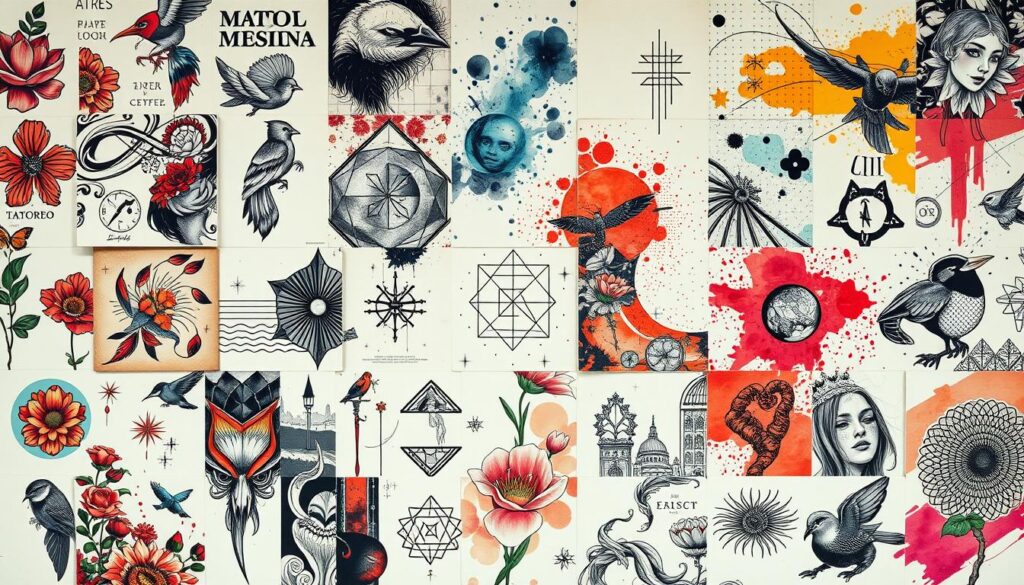
Your skin becomes a mosaic of memories, where every ink choice reflects a facet of your journey. This style thrives on creative freedom—no rules, just raw self-expression through carefully curated art.
Flexibility and Personal Storytelling
Imagine adding a bold geometric shape after getting delicate script work. You’re not locked into one aesthetic or timeline. Want to honor a milestone? Slip in a symbolic animal or date. Each addition becomes a bookmark in your life’s unfolding narrative.
“Ink isn’t just decoration—it’s dialogue,” says renowned artist Mara Green. This approach lets you converse with different eras of your growth. A watercolor bloom might represent newfound passions, while stark blackwork could symbolize resilience.
You’ll appreciate how spacing between pieces creates breathing room for future designs. Start with a single meaningful small tattoo, then build outward as inspiration strikes. Mix micro-realism with abstract patterns or pair neo-traditional icons with minimalist line art.
This method celebrates evolution. You might collaborate with five artists over a decade, each contributing their signature style. Your collection becomes a living portfolio—a testament to changing tastes and enduring values.
Exploring Diverse Tattoo Styles
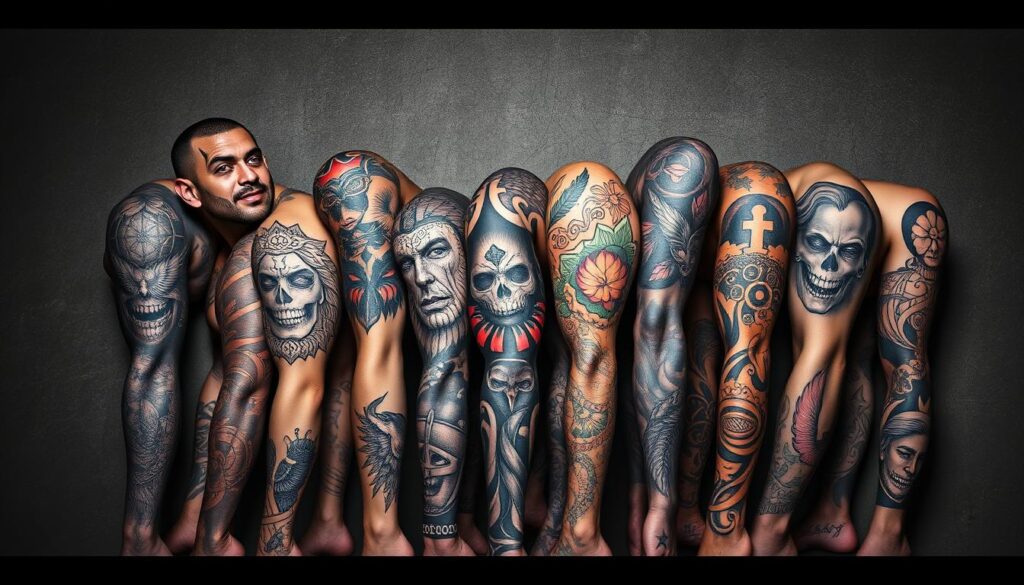
Your skin becomes a playground for artistic exploration, blending eras and techniques into one living masterpiece. This approach lets you mix bold classics with modern innovations, creating visual harmony through contrast.
From Traditional to Neo-Traditional and Realism
Classic American tattoo styles offer timeless appeal. Think anchors, roses, and swallows—icons that age like fine wine. These designs bring nostalgic charm to your collection while serving as anchor pieces.
Neo-traditional builds on tradition with richer details. Imagine a panther with jewel-toned shading or a floral piece using unexpected color combinations. This style bridges vintage and contemporary aesthetics seamlessly.
Realism shines in smaller formats. Detailed portraits of loved ones or miniature wildlife scenes become focal points. Pair these with abstract elements to balance complexity and simplicity.
Integrating Distinct Art Forms on Your Skin
Mix fine line botanicals with bold blackwork for striking contrast. Script lettering adds personal meaning, while watercolor splashes introduce painterly flair. The key? Maintain cohesion through strategic spacing and complementary color tones.
| Style | Key Features | Best For |
|---|---|---|
| Traditional | Bold lines, limited palette | Anchor pieces |
| Neo-Traditional | Detailed shading, modern colors | Centerpiece designs |
| Micro-Realism | Lifelike details in small scale | Personal tributes |
| Watercolor | Soft edges, blended hues | Artistic accents |
Dotwork creates texture, while geometric patterns add structure. Remember—each addition should enhance your existing art without overwhelming it. Start with one signature piece, then build outward as inspiration strikes.
Planning Your Patchwork Tattoo Collection

Building your ink collage begins with smart spatial thinking. Choose your canvas wisely—arms and legs work best for their flat surfaces and visibility. Start small, leaving room for future additions that reflect your evolving story.
Space Management Secrets
Begin with modest-sized pieces. Oversized designs can hog prime real estate on your body, limiting creative options later. Think of early tattoos as foundation stones—they should complement rather than dominate your layout.
Color strategy matters. Will you stick to black-and-gray classics or mix vibrant hues? Some collectors use a 70/30 rule: 70% primary colors, 30% accent shades. This balance keeps your collection cohesive without monotony.
Leave breathing room between pieces. These gaps act like gallery walls, letting each artwork shine. As tattoo artist Lex Rivera advises: “Skin needs negative space like music needs silence—it defines the rhythm of your sleeve.”
Consider how designs interact during movement. A floral piece on your forearm might align with a geometric shape on your bicep when bending. Test placements by drawing outlines with markers first.
- Map potential spots using temporary tattoos
- Mix circular and angular shapes for visual interest
- Bookend larger pieces with smaller accents
- Rotate orientations (vertical/horizontal)
How to Start Your Patchwork Tattoo Sleeve

Your ink journey begins with curiosity and a blank canvas of skin. This style thrives on spontaneity—no master plan needed. Let your personality guide each decision as you build a sleeve that grows with you.
Getting the Initial Pieces on Your Body
Choose 2-3 designs that spark joy. Place them like puzzle pieces on your arm or leg. Leave palm-sized gaps between them—these spaces become future opportunities. Artist Jamie Cole suggests: “Treat early pieces like favorite songs. They set the playlist’s mood.”
Filling in Gaps with Meaningful Tattoos
Watch how existing art interacts. Does a floral piece need geometric contrast? Could negative space become a crescent moon? Add new pieces that answer these questions. Your collection time becomes a treasure hunt for designs that click.
| Phase | Focus | Tip |
|---|---|---|
| Starting Out | Core designs | Use temporary markers to test placements |
| Expanding | Space utilization | Match scale to available gaps |
Mix small symbols with statement pieces. A tiny compass might balance a large owl design. Remember—your sleeve evolves through seasons. What starts as bare skin becomes a roadmap of memories.
Patchwork Tattoos: Crafting Your Unique Story
Your skin becomes a storybook where every chapter wears different artistic fonts. This style thrives on spontaneity—no rigid outlines or color schemes required. You’re free to collect meaningful designs like souvenirs from life’s journey, letting each piece speak its own visual language.
Mixing Styles for a Personalized Look
Why stick to one aesthetic when you can blend them? Pair a hyper-realistic animal portrait with abstract dotwork. Slot a vintage rose between modern geometric patterns. Each choice adds depth to your personal narrative while celebrating creative contrasts.
| Style | Contribution | Placement Tip |
|---|---|---|
| Realism | Emotional depth | Use as focal points |
| Traditional | Timeless appeal | Anchor larger areas |
| Geometric | Modern structure | Frame existing pieces |
| Watercolor | Artistic flair | Fill irregular spaces |
Collaborate with multiple artists over years. A neo-traditional specialist might craft your centerpiece, while a fine-line expert adds delicate accents. This approach lets your collection evolve as you do—new passions get inked beside old favorites.
Your theme becomes you. A comic book character here, a mountain range there. These seemingly unrelated elements form a visual autobiography. As tattooer Eli Quinn notes: “The best collections feel lived-in, like a well-loved scrapbook.”
Tips for Choosing the Right Tattoo Artist
Finding the perfect creative partner for your ink journey requires strategy. Your artist becomes a collaborator in bringing your vision to life while prioritizing your health and safety.
Researching Artist Portfolios and Styles
Start by browsing artist portfolios like you’re curating a museum exhibit. Look for specialists who dominate specific techniques—maybe one excels at micro-realism while another shines in geometric patterns. This approach lets you build a dream team of ink experts over time.
Many studios now showcase their work on social media. Watch time-lapse videos to see how artists handle shading and linework. Pro tip: Book consultations with three candidates before committing.
| Style Specialization | Portfolio Red Flags | Green Flags |
|---|---|---|
| Fine line details | Inconsistent line weights | Crisp, even strokes |
| Color blending | Muddy gradients | Smooth transitions |
| Cover-up work | Visible original design | Complete transformations |
Ensuring Studio Hygiene and Safety
Walk into any studio like a health inspector. Check for sealed tattoo piercing equipment and autoclave sterilization certificates. Reputable artists will proudly explain their safety protocols—if they hesitate, walk out.
Ask these questions during visits:
- Do you use single-use needles?
- How often do you test sterilization equipment?
- Can I see your state license?
Top studios display certifications prominently. Notice how staff handles surfaces—wiping stations between clients shows professional work ethics. Your skin deserves nothing less than hospital-grade care.
Conclusion
Your body becomes a living scrapbook where every mark holds personal significance. This approach to body art lets you celebrate life’s milestones through intentional gaps and connections. You’re not just collecting ink—you’re curating a visual autobiography that grows with you.
Vibrant colors and varied styles become your storytelling tools. Start with a single meaningful piece, then let your collection expand naturally. The spaces between designs aren’t empty—they’re invitations for future chapters written in ink.
Whether you prefer bold geometric shapes or delicate watercolor accents, this method honors your evolving journey. Work with artists who understand how to blend techniques while letting each piece shine independently. Your skin transforms into a gallery where contrast creates harmony.
Ready to begin? Grab that first design you’ve always wanted. Your story deserves to be told—one spontaneous, perfectly imperfect chapter at a time.