
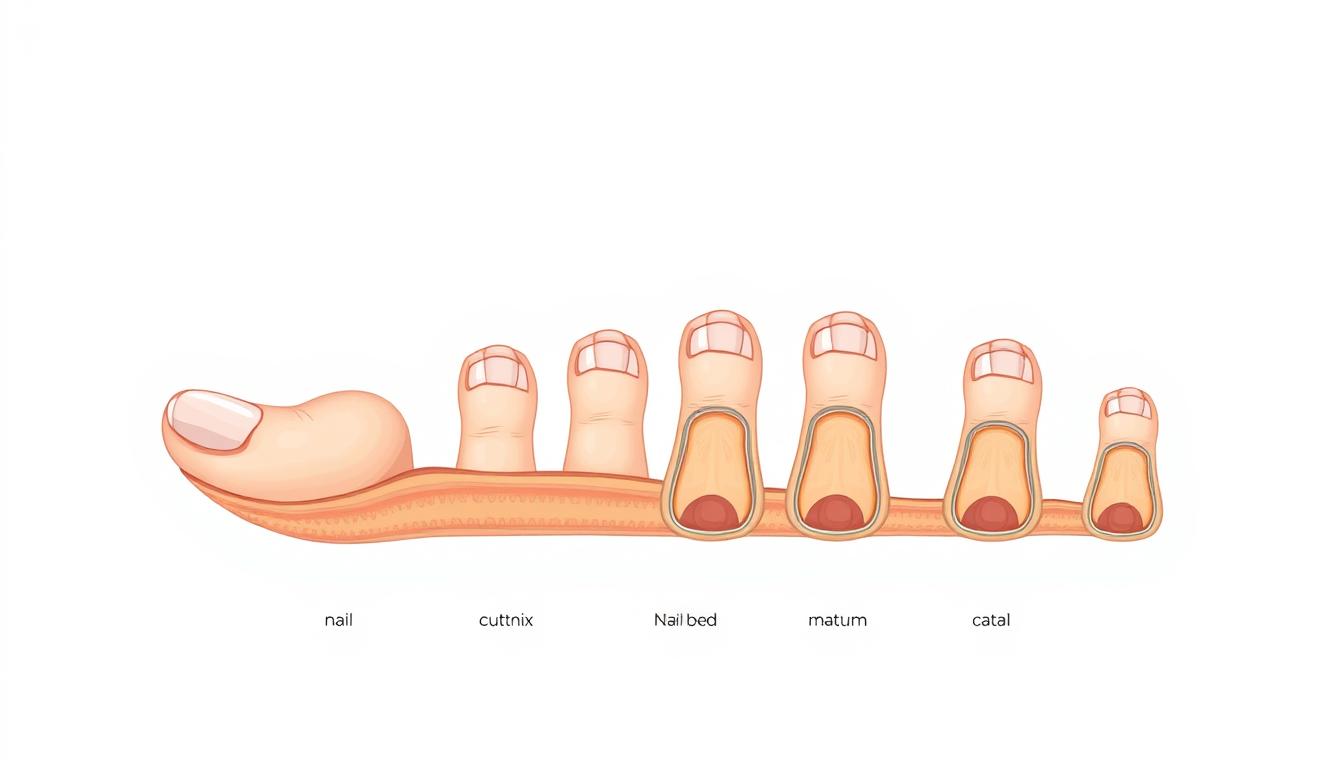
Ever trimmed your nails only to find them back to their original length days later? While many assume nail growth is purely genetic, your daily habits and even the seasons play a surprising role. The average person’s fingernails grow roughly 3.47 millimeters per month—but factors like hand dominance, finger length, and time of year can speed things up.
If you’ve noticed your manicure fading faster than expected, you’re not imagining it. Nails on your dominant hand grow quicker, and longer fingers often have faster-growing nails. Summer months and daytime hours also boost growth rates. But what does this mean for your nail care routine?
Understanding your body’s natural rhythm helps separate normal growth from unusual patterns. This guide breaks down the science behind nail development, from the hidden matrix under your cuticle to the visible plate you polish. You’ll learn practical strategies to manage length while keeping nails strong and healthy—no matter their speed.
Key Takeaways
- Fingernails grow about 3.47 millimeters monthly, with faster growth in summer and daytime
- Dominant hands and longer fingers typically experience accelerated nail development
- Genetic factors and lifestyle habits both influence growth speed
- Proper nutrition and nail care can optimize health regardless of growth rate
- Seasonal changes impact growth pace more than most people realize
- Regular maintenance prevents splitting and breakage for fast-growing nails
Introduction to Nail Growth
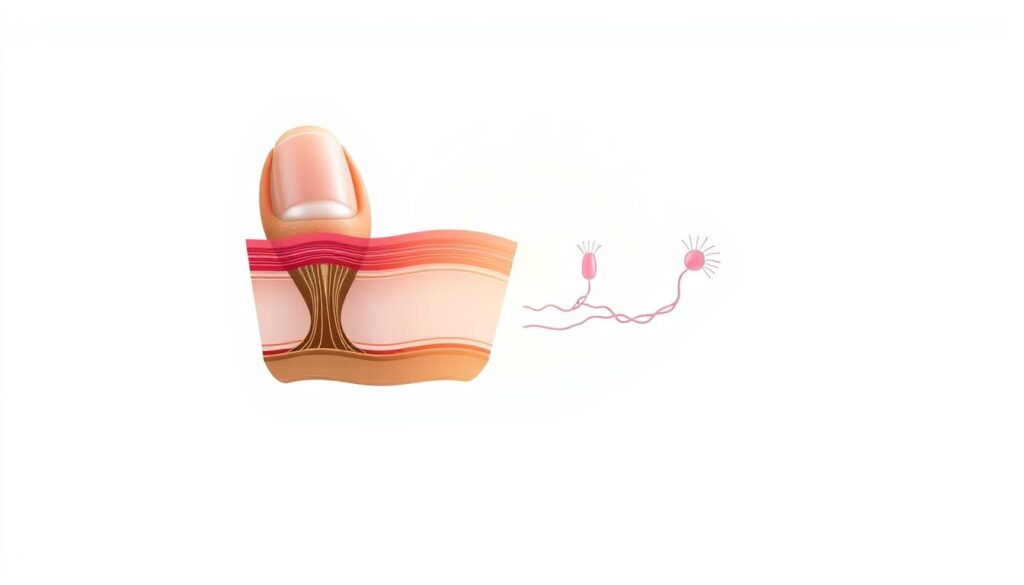
Have you ever wondered what makes your nails extend week after week? This remarkable process starts beneath your cuticle, where specialized cells work like tiny construction crews. Let’s explore the hidden machinery behind your constantly lengthening tips.
Understanding Nail Anatomy and the Growth Cycle
Your nail matrix – that pale half-moon at your nail base – acts as a production hub. Here, fresh cells packed with keratin protein form continuously. These new layers push older ones forward, hardening into the visible plate you file and polish.
The growth cycle operates in three phases:
- Active cell creation (anagen phase)
- Transition period (catagen phase)
- Resting stage (telogen phase)
Beneath the surface, your nail bed connects to blood vessels. This living foundation delivers nutrients that fuel nail growth while giving healthy nails their pinkish hue.
The Role of Keratin in Maintaining Nail Health
Think of keratin as your nails’ building blocks. This fibrous protein forms protective layers that shield fingertips from daily wear. When cells in the matrix produce sufficient keratin, nails stay flexible yet tough.
Dry or brittle edges often signal keratin shortages. You can support this process through protein-rich foods like eggs and nuts. Proper hydration also helps maintain the nail bed’s moisture balance, preventing cracks that undermine growth.
why do my nails grow so fast

Those quick-growing tips? Your body’s blueprint and breakfast choices share the credit. While some factors remain beyond your control, others respond to smart lifestyle adjustments.
Your Biological Blueprint and Plate
Family history often holds answers. If relatives sported speedy talons, you’ve probably inherited an efficient nail matrix. This genetic lottery determines how quickly your body produces keratin – the protein forming nail structure.
Your meals matter too. Biotin-rich eggs and zinc-packed seeds supply raw materials for growth. Try these nutrient boosters:
- Almonds for vitamin E
- Salmon for omega-3s
- Spinach for iron
Circulation’s Hidden Contribution
Ever notice your dominant hand’s nails lengthen faster? Active fingers enjoy better blood flow, delivering growth fuels like oxygen and minerals. Simple habits enhance this delivery system:
Massage cuticles while applying lotion. Take typing breaks to stretch fingers. These actions pump nutrients to your nail roots, supporting consistent development.
Remember: While you can’t rewrite DNA, smart choices optimize your natural potential. Pair targeted nutrition with circulation-friendly habits for nails that grow strong – at whatever speed your biology dictates.
Hormones, Age, and Other Internal Influences
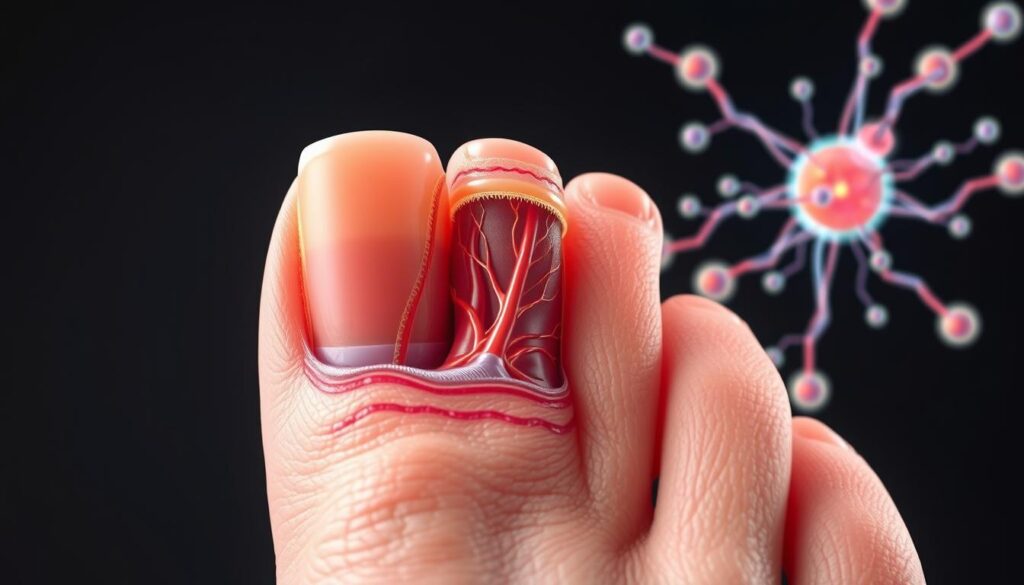
Your body’s chemical messengers and life stage significantly shape nail development – often more than you’d expect. While external factors matter, internal systems set the baseline for how quickly your tips lengthen.
The Effect of Hormones on Nail Growth
Thyroid hormones act as your nails’ pacemakers. Thyroxine and triiodothyronine directly regulate keratin production – too little, and growth stalls; too much, and you might file more often. Many notice texture changes during hormonal shifts like puberty or menstrual cycles.
Age-Related Changes in Your Nail Growth Rate
Time naturally slows your nail matrix’s output. By your 30s, cell renewal decreases about 0.5% yearly. This gradual shift means 20-year-olds’ nails grow 30% faster than 70-year-olds’. Brittle edges often appear as natural oils diminish with age.
Pregnancy and Hormonal Shifts
Expecting mothers frequently report stronger, faster-growing nails. Elevated estrogen improves blood flow to nail beds, while progesterone boosts keratin synthesis. Postpartum hormone crashes often reverse these effects – one reason new parents struggle with brittle tips.
Recognizing these patterns helps you adapt care routines. A teenager’s frequent trims become monthly appointments later in life. Pregnancy’s glossy phase? Enjoy it while it lasts – your body’s running a biological marathon!
Nail Care Tips for Managing Rapid Growth

Managing speedy nail development demands smart strategies. Whether you’re filing twice weekly or battling split edges, these science-backed methods keep your tips in top shape.
Master Your Maintenance Routine
Consistency prevents chaos with fast-growing nails. Use sharp clippers or glass files weekly to maintain length without stress fractures. Pro tip: Trim after showers when nails are softer, reducing breakage risk.
- File in one direction to avoid peeling
- Round sharp corners to prevent snags
- Disinfect tools monthly to stop infections
Fuel Growth From the Inside Out
Your plate reflects what’s on your plate. Protein builds keratin, while zinc and iron strengthen nail beds. Try these nutrient powerhouses:
- Greek yogurt for calcium
- Walnuts for biotin
- Bell peppers for vitamin C
“Participants taking 2.5mg biotin daily saw 25% less breakage in 6 months.”
Hydration matters too. Slather cuticle oil morning and night – dry skin leads to hangnails that disrupt growth patterns. Keep hands moisturized but avoid waterlogged tasks without gloves.
Environmental and Lifestyle Factors Affecting Nail Growth
Your surroundings shape more than your mood—they directly impact how quickly your fingernails lengthen. From keyboard clicks to seasonal shifts, everyday exposures quietly influence growth patterns.
The Impact of Your Daily Routine and Work Environment
Jobs requiring constant hand motion create a growth-boosting side effect. Typists and musicians often see 10-15% faster growth rates compared to less active hands. The reason? Frequent fingertip stimulation pumps 30% more blood to nail beds monthly.
| Activity | Frequency | Impact on Growth |
|---|---|---|
| Typing | Daily | +12% speed |
| Manual labor | 5x/week | +18% speed |
| Instrument playing | 3x/week | +9% speed |
Climate and External Conditions That Promote Faster Growth
Warmer regions accelerate fingernails’ development through improved circulation. Summer humidity acts like natural cuticle oil, while winter dryness increases breakage risks by 40%.
Consider these climate adaptations:
- Use cotton gloves during cold snaps
- Apply SPF to hands in sunny climates
- Run humidifiers when indoor heat parches skin
Office workers face unique challenges—sanitizers and AC systems can strip protective oils. Counteract this with overnight moisturizing masks containing shea butter. Your skin and nails will thank you by maintaining steady growth rates year-round.
Conclusion
Your nail growth story unfolds through a unique blend of biology and daily choices. The matrix at your nail’s base works like a microscopic factory, pumping out fresh cells packed with protective keratin. While genetics set the speed, smart habits help you manage the results.
Seasonal shifts and hand activity create natural variations in growth rate. Most people see about 3.5mm of growth each month—enough to require regular trims. Keep cuticles moisturized and file edges smoothly to prevent splits that undo your efforts.
Remember: Fast-growing tips reflect a healthy nail bed and efficient nutrient delivery. If maintenance feels overwhelming, simplify. Stick to basic care routines and protein-rich meals. Unusual changes in texture or color? That’s your cue to consult a dermatologist.
Your body’s natural cycle works best when supported, not forced. With this understanding, you’re equipped to keep nails looking sharp at any growth pace. Now go show those fingertips some love—they’ve earned it!