
Have you ever wondered why your once-pristine fingertips suddenly look stained or dull? While many assume discoloration is just a cosmetic issue, it might hint at deeper causes—from everyday habits to health clues. Let’s unpack how to restore your natural shine without panic.
Discolored tips often stem from harmless sources like polish pigments or cleaning products. The good news? Gentle care and time usually let healthy growth replace stained areas. But if the new nail bed stays tinted, it’s worth exploring further. This guide blends quick fixes with lasting habits to help you tackle the root cause confidently.
You’ll find easy DIY methods using kitchen staples, plus tips to shield your hands from harsh chemicals. We’ll also discuss when to consult a professional—because your health always comes first. Ready to reclaim your radiant smile… starting at your fingertips?
Key Takeaways
- Common causes include polish stains, household cleaners, or minor fungal issues.
- Most cases improve with at-home treatments like lemon juice or baking soda soaks.
- Protect hands with gloves during chores to prevent future staining.
- Persistent discoloration may signal vitamin deficiencies or respiratory conditions.
- Regular moisturizing strengthens nails and reduces brittleness over time.
Understanding Yellow Nails and Their Causes
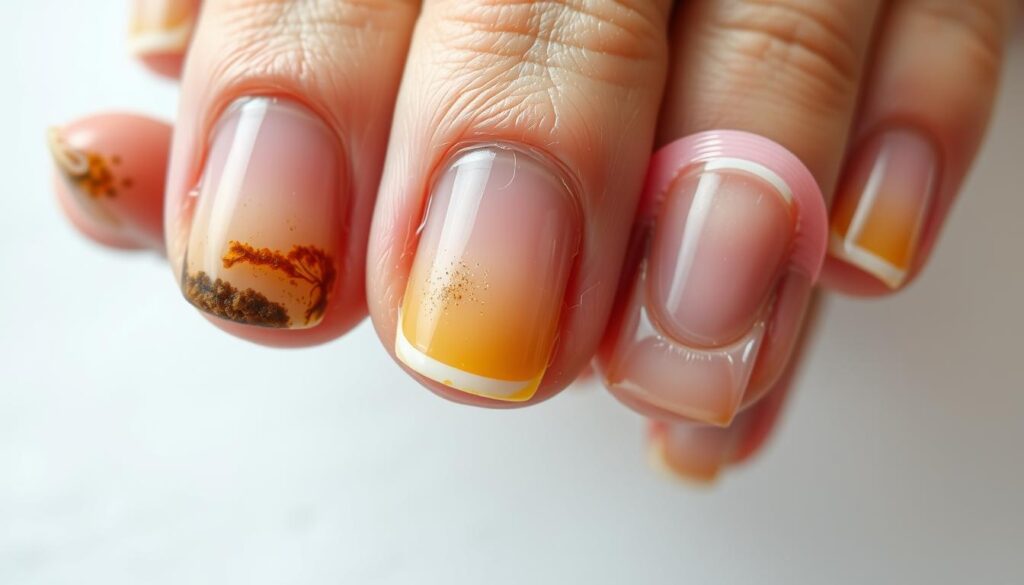
Ever notice your fingertips losing their natural glow? Discoloration often acts as a silent messenger—sometimes harmless, occasionally urgent. Let’s decode what your body might be signaling.
Everyday Culprits You Can Control
Dark-hued polishes—like deep reds or oranges—leave pigments that cling to keratin. Weekly polish breaks help prevent buildup. Household cleaners and acetone-based removers also weaken protective layers, letting stains settle.
Fungal infections thrive in damp environments. Shared tools at salons or gym showers increase risk. Look for thickening or crumbling edges—a sign to act fast. Allergies to acrylics or gel products? They can trigger inflammation and odd tints.
“Discoloration paired with pain or swelling often points to infection—don’t ignore persistent changes,” advises Dr. Lena Carter, dermatologist.
When Your Tips Signal Bigger Trouble
While most cases resolve with care, lasting changes warrant attention. Thyroid imbalances and diabetes often manifest through keratin changes. Smokers’ tips yellow from nicotine and reduced oxygen flow.
| Trigger Type | Common Signs | Next Steps |
|---|---|---|
| External Factors | Stains from polish/smoke | Gentle scrubs, hydration |
| Infections | Thickening, odor | Antifungal treatments |
| Systemic Issues | Multiple symptoms | Medical consultation |
Vitamin gaps—especially B12 or E—weaken keratin structure. Leafy greens and nuts boost resilience. If dietary shifts don’t help in 6–8 weeks, consider blood work to check levels.
Recognizing the Signs of Yellow Nail Syndrome
What if those stubborn stains were more than surface-level? While most discoloration fades with care, yellow nail syndrome presents differently. This rare condition intertwines keratin changes with respiratory challenges and fluid retention—often signaling deeper health conversations.
Identifying Symptoms and Diagnostic Clues
Thickened, curved tips that detach from skin beds are classic markers. Unlike typical stains, these alterations progress slowly and resist home treatments. Pair these changes with chronic coughs or swollen legs? That’s your cue to look beyond topical fixes.
“Patients often dismiss early signs as cosmetic—until breathing difficulties emerge. Timely evaluation prevents complications,” notes pulmonologist Dr. Ethan Moore.
Connections to autoimmune disorders and lymphatic issues mean multiple systems collaborate in diagnosis. Blood work and imaging help rule out malignancies or thyroid imbalances. Remember: clear communication about all symptoms guides accurate testing.
Prioritize medical insight if polish-free months don’t restore natural tones. Specialty creams or vitamin therapies might support recovery, but addressing root causes remains paramount. Your hands tell stories—listen when they whisper urgent plots.
Simple Home Remedies to Get Rid of Yellow Nails
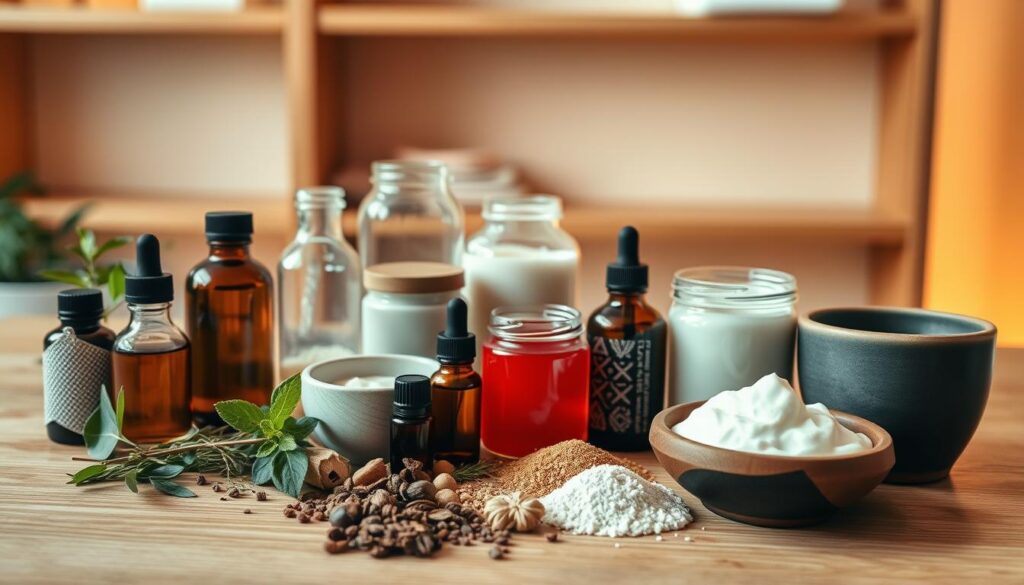
Stubborn stains on your fingertips don’t have to be permanent. Nature provides potent solutions that tackle both discoloration and underlying issues. Let’s explore safe, accessible methods to revive your keratin’s natural glow.
Harnessing Essential Oils for Fungal Defense
Tea tree oil shines as a fungal-fighting hero. Mix two drops with coconut or jojoba oil, then swipe it onto affected areas daily. Studies show it disrupts common fungal strains within weeks. For added power, blend it with oregano oil—its antimicrobial compounds target stubborn infections.
Always dilute essential oils to avoid irritation. A cotton swab dipped in this blend creates an easy targeted treatment. One user shared: “After three weeks, my thickened edges softened and regained their pinkish tint.”
Lifting Stains With Kitchen Staples
Baking soda’s alkaline nature neutralizes acidic environments where fungi thrive. Create a soak using warm water and two tablespoons of this powder. For deeper stains, mix it with hydrogen peroxide to form a paste. Apply for five minutes, then rinse.
This combo oxidizes pigments without harsh chemicals. Follow with moisturizer to prevent dryness. Pro tip: Limit use to twice weekly—overdoing it may weaken keratin over time.
Tips for Preventing Nail Discoloration
Keeping your tips looking fresh starts with smart prevention habits. Small changes in your routine can shield keratin from stains while promoting long-term health. Let’s explore how to maintain that natural gleam effortlessly.
Shield Your Tips With Proactive Care
Always apply a protective base coat before dark polishes. This clear layer blocks pigments from seeping into porous surfaces. For salon visits, ask technicians to open sealed tool kits in front of you—reused files or buffers risk transferring fungi.
Swap acetone removers for gentler formulas. Overuse dries out keratin, making it prone to cracks and stains. Try micellar water-based options that lift color without stripping moisture. One user shared: “Switching removers gave me stronger tips within two weeks.”
- Clean under edges weekly with a soft brush to prevent bacterial buildup
- Let feet air out daily—damp socks create ideal fungal conditions
- Take 3-4 day breaks between manicures to restore oxygen flow
Pair these habits with breathable footwear and regular trims. For vibrant styles without commitment, explore temporary pink manicure looks that minimize staining risks. Remember: consistency beats intensive fixes when safeguarding your natural palette.
Natural Ingredients for Healthy Nails
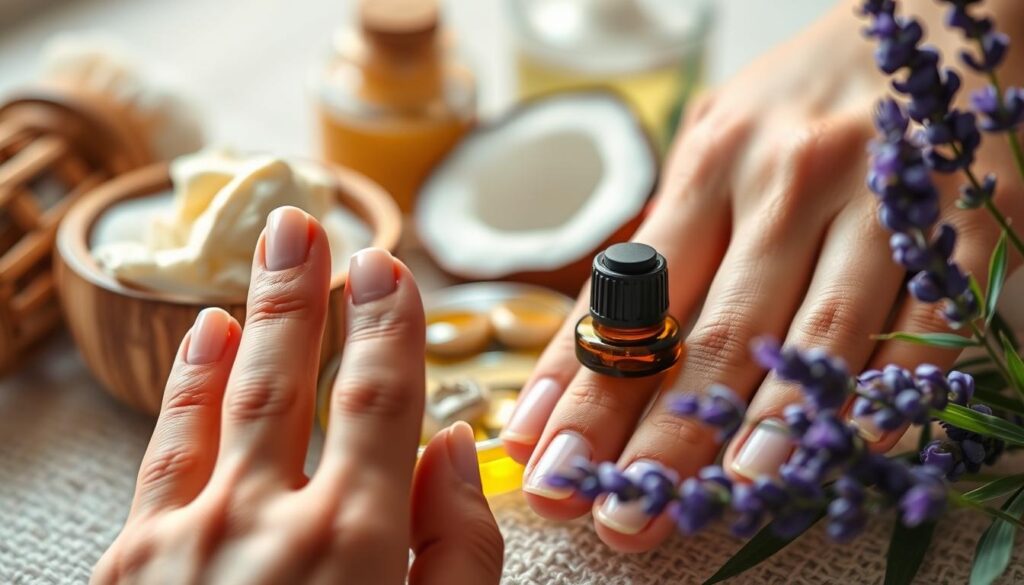
Your kitchen holds surprising allies for restoring vitality to tired fingertips. Three powerhouse ingredients—vitamin E, lemon juice, and orange peel—work synergistically to nourish keratin while brightening your natural palette.
Vitamin E: The Moisture Magnet
Vitamin E acts like a shield against brittleness. Studies show it improves nail plate thickness by 25% when applied topically for eight weeks. Crack open a capsule and massage the oil into your cuticles nightly. For systemic benefits, try adding almonds or spinach to your meals.
“Our trial found vitamin E reduced yellowing in 68% of participants with staining from polish or smoking,” reports a Journal of Dermatological Science study.
Citrus Solutions for Brighter Tips
Fresh lemon juice’s acidic punch gently lifts surface stains. Soak your fingertips for five minutes daily—the vitamin C boosts collagen production while lightening discoloration. Follow with moisturizer to counteract dryness.
Orange Peel’s Hidden Superpower
Rub the fleshy side of orange peels on your nail beds twice weekly. The d-limonene compound exfoliates dead cells, while vitamin C strengthens keratin bonds. One user noted: “My peeling stopped after three weeks of consistent use.”
These methods tackle both aesthetics and structural health. Pair them with gloves during chores and weekly polish breaks for lasting results. Your hands deserve this edible skincare ritual!
When to Seek Professional Advice
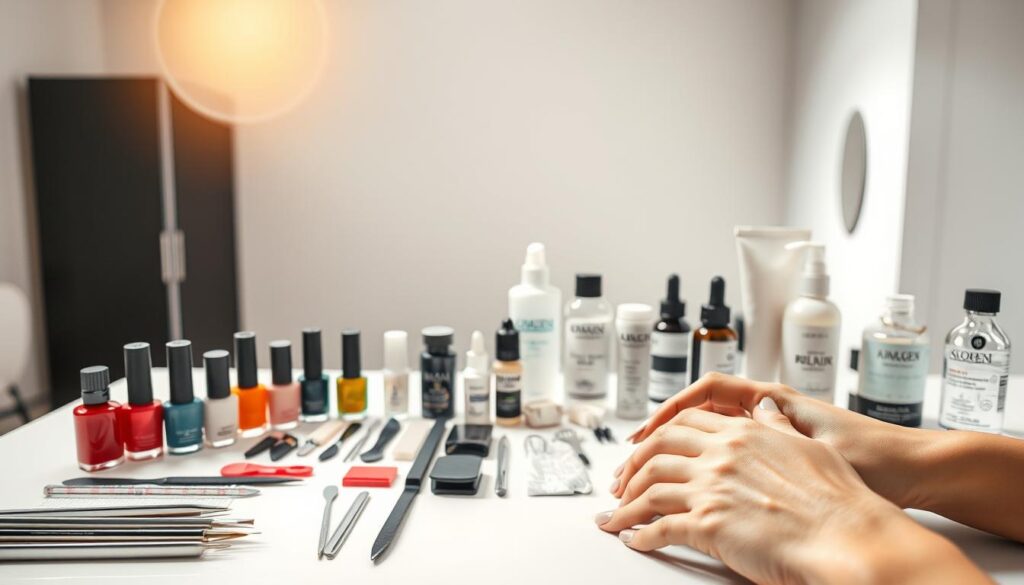
Sometimes, your body sends signals that need more than a DIY fix. While home treatments work for minor issues, persistent changes in your keratin deserve expert eyes. Recognizing these red flags helps prevent complications and speeds recovery.
Understanding When Home Remedies Aren’t Enough
If scrubs or oils haven’t improved your condition after 10–14 days, pause the experiments. Sudden dark streaks or texture shifts—like thickening or lifting—signal it’s time for tests. These changes might indicate infections or systemic conditions needing targeted care.
“New streaks or rapid deterioration often require lab analysis. What looks like fungus could be melanoma in rare cases,” warns dermatologist Dr. Sarah Kim.
Prescription Options and Medical Evaluations
Doctors typically start with fungal cultures or blood work. For confirmed infections, oral medications like terbinafine may be prescribed. Though effective, these carry liver risks and require regular monitoring.
| Treatment | Best For | Timeframe | Risks |
|---|---|---|---|
| Terbinafine (Lamisil) | Stubborn fungus | 12 weeks | Liver concerns |
| Ciclopirox Lacquer | Mild infections | 6–12 months | Local irritation |
| Blood Tests | Systemic issues | 1–3 days | None |
Topical options like medicated polish minimize side effects but demand patience—they work as new growth replaces damaged areas. Pair treatments with vitamin-rich diets to support your body’s healing process.
Managing Underlying Health Issues Related to Nail Discoloration
Persistent discoloration often acts as a health check-in reminder. While topical treatments address surface concerns, recurring issues might signal your body needs deeper support. Let’s explore how systemic factors influence keratin health and ways to collaborate with professionals.
Connecting the Dots Between Body and Tips
Fungal infections frequently resurface when immune function dips. Conditions like diabetes create sugar-rich environments where nail fungus thrives. Tight blood sugar control through diet and medication reduces recurrence rates by 40% in clinical studies.
Thyroid imbalances and psoriasis often alter growth patterns. These conditions require tailored medical plans—creams alone won’t resolve texture changes. Blood tests help identify vitamin gaps like B12 or iron that weaken keratin structure.
“50% of patients with chronic infections show zinc deficiencies. Correcting nutrient levels often improves treatment outcomes,” shares Dr. Emily Torres, integrative physician.
| Condition | Impact on Keratin | Management Tips |
|---|---|---|
| Diabetes | Slows healing, increases infection risk | Monitor glucose, wear breathable shoes |
| Thyroid Disorders | Causes brittleness and ridges | Adjust medications, check selenium levels |
| Psoriasis | Creates pitting and separation | Use coal tar treatments, reduce stress |
Antifungal medications work best alongside lifestyle changes. Tea tree oil soaks can maintain results between prescriptions. Remember: consistency matters more than intensity when rebuilding strength.
Ask your doctor about combo approaches—oral antifungals with topical solutions tackle infections from multiple angles. Pair treatments with probiotic-rich foods to support gut health and immunity. Your whole-body wellness reflects in every fingertip!
Lifestyle Changes to Improve Overall Nail Health
Your daily choices play a bigger role in your nail health than you might think. Small shifts in habits can lead to lasting improvements in strength and appearance. Let’s explore practical adjustments that benefit both your fingertips and overall wellness.
Breaking Free From Staining Habits
Smoking doesn’t just affect your lungs—it starves your nails of oxygen while leaving stubborn stains. The nicotine in cigarettes seeps into keratin, creating a yellowish tint that polish can’t hide. Quitting this habit allows fresh blood flow to restore your natural color over several months.
Swap smoke breaks for brisk walks to boost circulation. For feet, prioritize breathability—change socks daily and let them air out after workouts. Exposure to fresh air prevents fungal growth in damp environments.
Simple routines make a difference. Soak hands and feet in warm water weekly to soften cuticles and remove debris. Pair this with moisturizing to keep skin supple. Remember: what’s good for your body often benefits your nails too. Stay hydrated and include protein-rich foods to support healthy growth from within.