
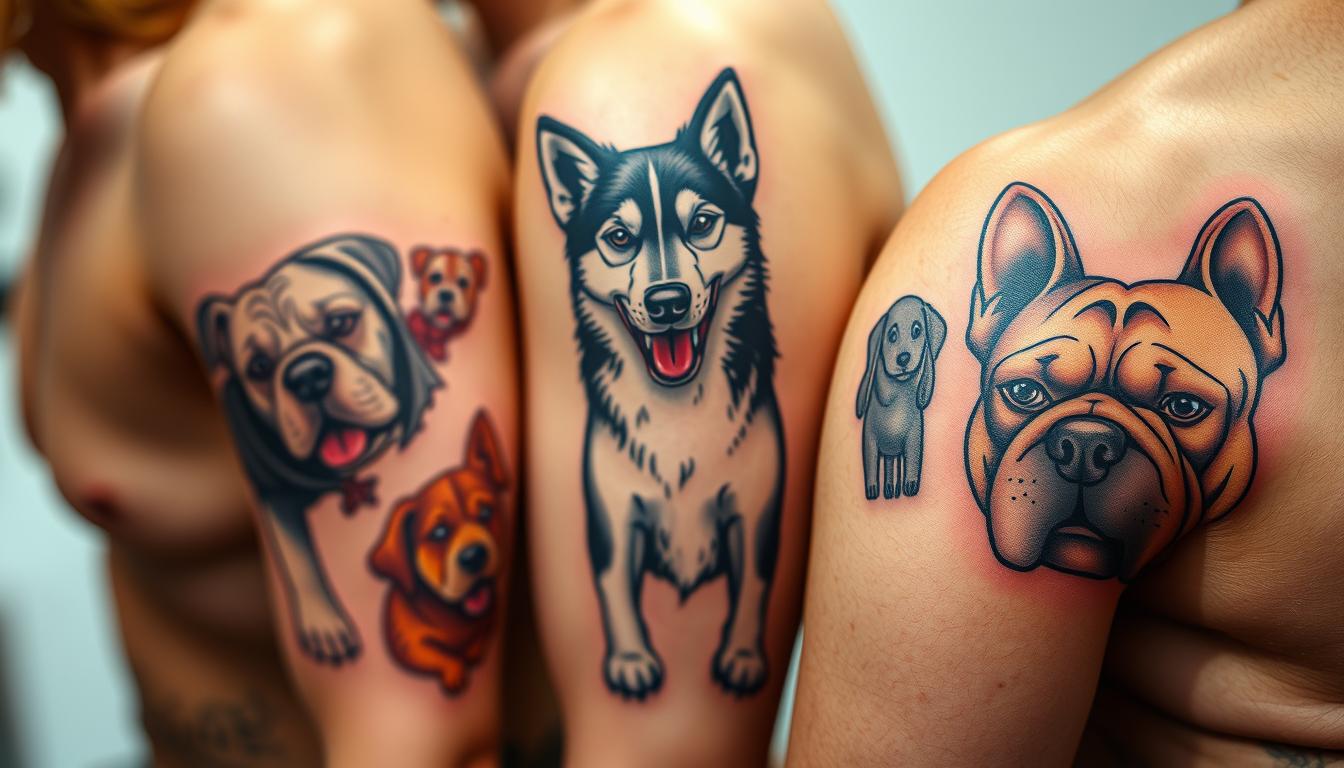
Can a single image capture the bond you share and still look great years from now? We set out to gather meaningful inspiration that balances personal meaning, wearability, and lasting beauty.
From realistic portraits and paw-print motifs to watercolor splashes and geometric mashups, we show a range that suits budgets and skin types. We’ll explain how a realistic piece differs from a stylized one and why choosing the right artist matters.
We’ll also compare color-forward work with classic black ink, and offer placement tips—from discreet finger marks to statement back pieces—so your design feels intentional and wearable.
Our goal is simple: help you translate your bond into ink you’ll love, whether that’s a minimal line or a detailed memorial collage.
Key Takeaways
- We cover timeless motifs and current trends to fit diverse tastes.
- Artist choice affects final look more than any single style.
- Color and placement shape healing and long-term appearance.
- Personal touches—initials, toys, dates—make designs unmistakable.
- Practical aftercare tips help preserve vibrancy and contrast.
How We Picked the Best Dog Tattoo Ideas
We narrowed our picks by weighing sentimental meaning against classic techniques that age well.
Balancing personal meaning with timeless art
We looked for designs that tell a story and also use proven methods. Realistic portraits, fine-line outlines, geometric forms, watercolor washes, mandala frames, and memorial collages all made the shortlist.
Emphasis was on versatility: pieces that personalize easily with names, dates, or small mementos. We favored mostly black and fine shading for longevity, while noting that color needs extra sun care.
Style, placement, and aftercare for the U.S. scene
We matched styles to common U.S. placements—finger, ankle, shoulder blade, forearm, and back—so visibility fits lifestyle and workplace norms.
Aftercare advice influenced selection too. Micro pieces avoid high-friction zones. Watercolor works need diligent SPF once healed. Portrait realism requires longer sessions and a specialist.
- Technique drives longevity: craftsmanship matters most.
- Hidden placements are included for low-key symbolism.
- We balanced cost and session time when suggesting options.
| Style | Longevity | Best U.S. Placements |
|---|---|---|
| Realism | High (with expert shading) | Shoulder blade, back, forearm |
| Fine line / Minimalist | High (small maintenance) | Finger, ankle, behind ear |
| Watercolor | Moderate (needs SPF) | Forearm, shoulder, back |
| Geometric / Mandala | High (clean lines) | Forearm, chest, back |
Dog Tattoo Ideas: Paw Prints That Tell a Story
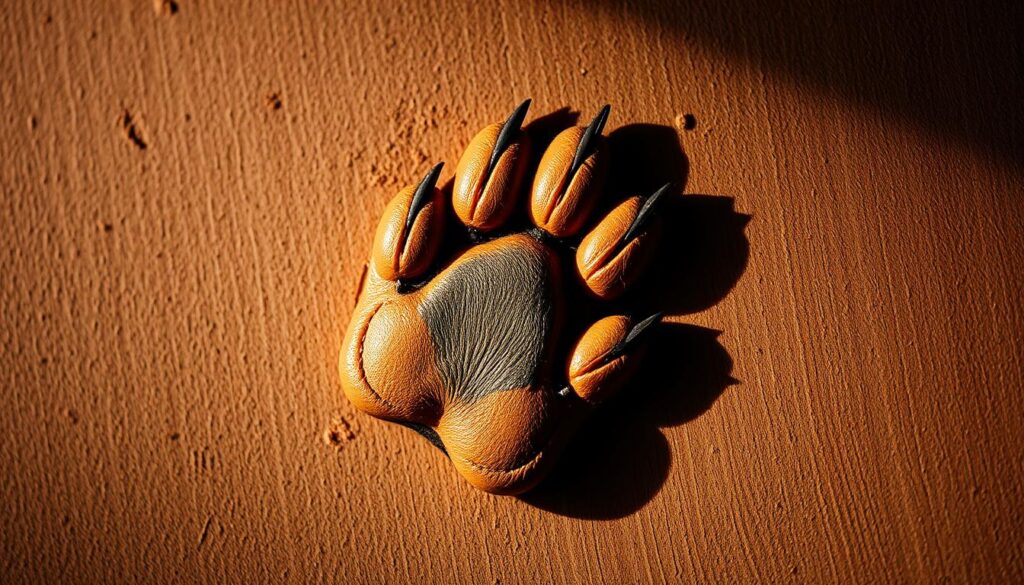
We like paw prints because they speak plainly and hold deep meaning. A single pad or a trail can become a focal piece or a subtle keepsake.
Classic vs. replica: a classic paw outline reads clean and bold. A replica made from your pet’s real print matches size and pad pattern for true-to-life detail. We recommend scanning or inking the paw at a vet or studio for accuracy.
Heart accents, paths, and infinity loops
Heart-in-paw and heart-path motifs add emotion without clutter. A love-to-infinity loop can link two prints to suggest a shared journey.
Hidden placements and finger prints
For subtlety, tuck a tiny print behind the ear, on the ankle, or as a micro finger mark. Clean linework keeps small prints readable over time.
Color pops and memorial personalization
Try a pink paw or a waterfront print with soft blues to hint at beach days. For memorials, place initials or a date under the print and choose a protected spot to aid healing.
- Scale matters: tiny prints need bold outlines; medium prints benefit from light shading between pads.
- Arrange multiple prints to form a path up the forearm or curve around the wrist.
- Aftercare: protect high-friction spots like fingers and ankles to preserve crisp lines.
| Variation | Best Feature | Suggested Placement |
|---|---|---|
| Classic paw outline | Bold, long-lasting | Wrist, shoulder, ankle |
| True-to-size replica | Highly personal detail | Chest, forearm, back |
| Heart-in-paw / infinity path | Emotional storytelling | Rib, forearm, behind ear |
| Color pops (pink, waterfront) | Playful accents | Forearm, calf, shoulder |
Portrait Tattoos: From Perfect Realism to Non‑Traditional Art
When we talk portrait pieces, the goal is to preserve a familiar glance and the tiniest facial cues.
Realistic portrait work that captures expression
Realism relies on three things: accurate fur texture, catchlights in the eyes, and correct anatomy. These details keep a face recognizable as it heals and ages.
Non-traditional approaches: pointillism, abstract, mixed media
Pointillism and abstract shapes let us preserve likeness while adding gallery-level flair. Mixed media blends fine line realism with splashy, painterly marks for a unique finish.
Monochrome florals framing a companion’s face
Black-and-gray florals add motion and elegance without color. Subtle leaves can hide initials or a collar tag for personal meaning.
Choosing the right artist
Compare healed-photos and look for healed portrait examples. Flat canvases like the outer forearm or shoulder blade suit detailed work. Plan multiple sessions and expect touch-ups to keep contrast strong over time.
- Reference tips: choose sharp, well-lit photos showing the signature expression.
- Watch for pitfalls: muddy blacks and blown whites show up in healed photos—avoid artists who lack healed-reference shots.
Watercolor Dog Tattoos for Vibrant Personality
Bright washes and soft splatters bring personality to portraits, turning a simple outline into a living memory. We compare full watercolor approaches with linework-plus-backgrounds so you can choose how bold to go.
Full watercolor and background washes
Full watercolor pieces let color shape the entire silhouette. These use gradients, brushstrokes, and splatters to capture energy and mood.
Black-line portraits with a watercolor backdrop add motion without losing facial detail. Crisp lines anchor soft edges so forms stay readable as they heal.
Small accents for subtle color
Tiny dabs—a blush of blue or a gradient halo—lift a minimal outline. These accents work well for first-timers or people who want a hint of hue.
Playful concepts and placement
We love playful concepts like a Watercolor Pug drifting through cosmic splashes to channel quirky vibes.
Upper arms and backs wear color best; avoid high-friction zones like fingers or palms to protect pigments over time.
- Color memory cues: lake blues for waterfront walks, sunset tones for golden-hour hikes, or collar hues as accents.
- Longevity tips: avoid sun exposure, use SPF on healed skin, and expect touch-ups for bright scenes.
- Budget note: full watercolor scenes take longer; small accents can be quick and affordable.
Brief your artist with color swatches and photos so the mood—playful, soft, or bold—reads true on skin. Simple composition ideas like splatter trails, brushstroke hearts, and negative-space silhouettes keep the look modern and airy.
Minimalist and Fine Line Dog Tattoos
Subtle linework translates a familiar silhouette into wearable, everyday art. Minimalist outlines and micro profiles let us honor a pet without overwhelming the skin.
Simple outlines and weiner dog silhouettes
We showcase confident single-line designs that capture posture and charm. Charming weiner dog outlines are popular for their iconic shape and instant recognition.
Fine-line profiles and micro placements
Fine line profiles preserve breed traits with whisper-thin strokes. Micro tattoos near the wrist, ankle, or ribcage stay discreet and suit professional settings.
- Choose an artist skilled with steady hand speed and healed-work examples.
- Strategic line weight prevents thin strokes from blurring over time.
- Add a tiny heart, initial, or a single color dot to personalize without clutter.
- Expect short sessions and low cost for most small pieces; plan touch-ups to maintain crisp edges.
| Design | Best Feature | Suggested Placement |
|---|---|---|
| Single-line outline | Elegant, timeless | Wrist, behind ear, forearm |
| Weiner dog silhouette | Recognizable, playful | Ankle, rib, shoulder |
| Fine-line profile with dot | Personalized, modern | Collarbone, inner arm, calf |
Silhouettes and Shadows: Sleek Dog Ink
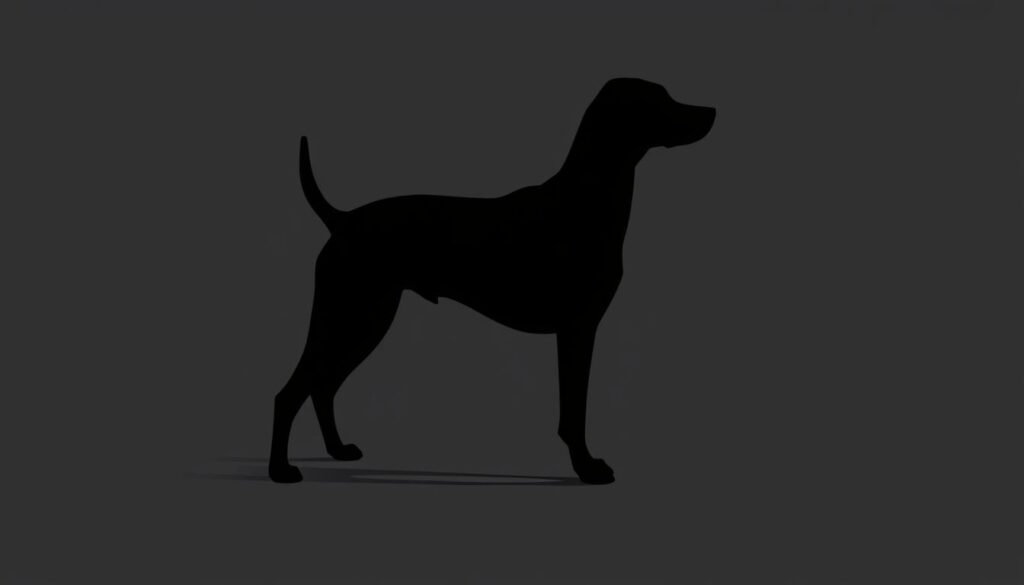
A clean silhouette can speak volumes—simple, strong, and endlessly adaptable. We favor solid profiles for unmistakable breed shapes, then add character with texture fills like stippling, woodgrain, or subtle plaid.
Pattern and Narrative
Pattern-filled silhouettes let us tell a small story. Waves can nod to beach walks. Star fields hint at night strolls. These fills keep the outer shape bold while adding emotional detail.
Origami and Geometry
Origami silhouettes use crisp angles and negative space for modern clarity. We often pair that approach with origami and geometric styles to keep lines clean and contemporary.
- Placement: small calf or forearm for simple shapes; shoulder blade for detailed fills.
- Technique: correct ink packing and line density prevent patchy heals.
- Extras: tiny hearts, initials, or a date can sit inside the shape without cluttering it.
Grounding a silhouette with a soft shadow beneath the feet adds realism. To preserve contrast, keep the area moisturized while healing and use SPF on healed black areas. As life changes, consider adding a second silhouette to grow the composition.
Geometric, Mandala, and Origami-Inspired Designs
Angular facets and radial harmony can translate a companion’s form into wearable geometry. We like designs that balance crisp symmetry with readable shapes.
Geometric canine abstractions with clean symmetry
Triangles and facets echo muscle planes while keeping a clean silhouette. Line weight strategy matters: heavier outer lines and finer internal facets keep intersections legible as skin shifts.
Mandala masterpieces that symbolize balance and harmony
Mandala frames can surround a muzzle or portrait without overwhelming it. Embed initials in a petal for subtle personalization and to add long-term meaning.
Origami dogs for minimalist, modern art lovers
Origami pieces read as modern art and scale well for small to mid-size placements. Pair geometry with a soft floral sprig or a watercolor wash for contrast and extra beauty.
| Style | Best Feature | Suggested Placement |
|---|---|---|
| Geometry (facets) | Clean, modern depth | Forearm centerline, sternum |
| Mandala frame | Symbolic balance | Between shoulder blades, chest |
| Origami linework | Minimal and crisp | Wrist, ankle, inner arm |
Hearts and Love Symbols for Dog Tattoos

A heart can frame a profile or cradle initials, giving a compact way to carry meaning.
We favor outline hearts and gentle heart-paths made from tiny paw marks. These read well at small scales and pair nicely with a date or initials.
Hold them close: outline hearts and heart paths
Outline hearts that cradle a silhouette are clean, readable, and timeless. A heart path made from a string of tiny paw prints creates a narrative trail without heavy detail.
Balancing two profiles and name accents
For multi-pet homes, we place two profiles inside one shape or mirror silhouettes to balance the composition. Names or dates can follow the lower curve or sit along a heartbeat line for subtle emphasis.
- Micro placement: wrist or collarbone for quiet love.
- Accent color: a single red dot on the heart keeps contrast without overpowering black work.
- Memorial option: a tiny heart-lock with initials or a date preserves a forever bond.
| Motif | Best Feature | Suggested Placement |
|---|---|---|
| Outline heart with silhouette | Clear, elegant memory | Inner wrist, sternum, forearm |
| Heart path of paw prints | Narrative, playful | Along collarbone, wrist, ankle |
| Two-profiles in one heart | Balanced multi-pet tribute | Chest, back of shoulder, rib |
| Micro heart + paw print | Compact identity + love | Behind ear, inner arm, finger base |
Celestial and Cosmic Dog Tattoo Ideas
Night-sky motifs let us turn a beloved profile into a map of stars and memory.
Constellation-style linework connects tiny stars to sketch a recognizable outline. This keeps the silhouette readable while adding a subtle, personal symbolism.
Constellation-style pups and starry skies
We pair star fields, crescent moons, and planetary rings to frame a profile or a name. Varying star sizes and dot clusters suggests depth without clutter.
Cosmic connection to honor an eternal bond
Watercolor nebula washes—indigo, violet, magenta—sit behind crisp black lines for a nebula-like glow. For minimalists, a few pinprick stars and a tiny crescent near a micro silhouette are all you need.
- Suggested placements: outer forearm, upper arm, upper back for legible constellations.
- Memorial tip: add a date as a star coordinate or small script beneath the pattern.
- Care note: protect color with SPF after healing to keep hues rich.
| Element | Best Feature | Suggested Placement |
|---|---|---|
| Constellation linework | Subtle, meaningful | Outer forearm, upper back |
| Star field + crescent | Dreamy frame | Upper arm, sternum |
| Watercolor nebula wash | Vibrant depth | Shoulder, back |
Cartoon, Cute, and Stylized Dog Tattoos
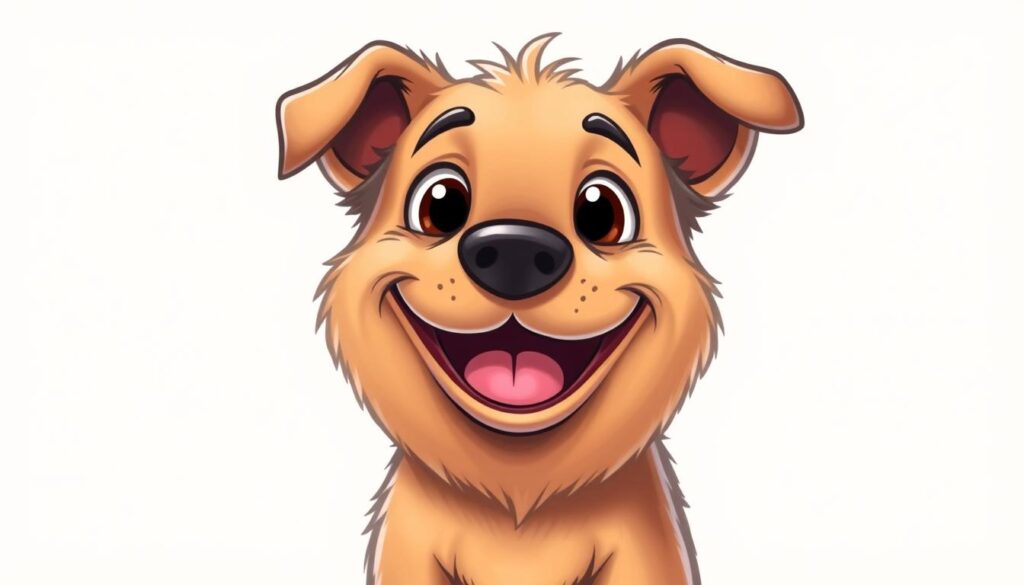
Playful, cartoon-style portraits can turn a familiar face into a tiny character that smiles every time you see it. We favor bright accents and bold outlines so features stay clear at small sizes.
Cartoon pup charm and playful linework
We use exaggerated eyes, wagging tails, and simple shapes to capture goofiness. Bold outer lines keep the piece readable on the wrist or ankle.
Limited color pops—a bandana or a single collar dot—adds personality without muddying the design.
Stylized character portraits with big personality
Stylized portraits let us emphasize signature traits like bat ears or a head tilt. We keep proportions consistent so the subject stays recognizable.
Props—favorite ball, toy, or scarf—anchor the scene and make the piece feel lived-in. For memorials, a tiny halo star or subtle heart lifts the tone gently.
- Flat fills heal faster and keep color simple.
- Textured hatching adds depth but needs careful aftercare.
- Series work: add new vignettes over time to tell a longer story.
| Style | Best Feature | Suggested Placement |
|---|---|---|
| Cartoon outline | High readability, playful | Wrist, ankle, behind ear |
| Bold-lined portrait | Strong personality, clear face | Forearm, calf, shoulder |
| Flat color vignette | Fast heal, vivid accents | Inner arm, shin |
| Hatched texture | Illustrative depth | Upper arm, back |
Memorial Dog Tattoos to Cherish Forever
A thoughtful memorial can mix small symbols and scripts to tell a full story in one compact piece.
In memory scripts and meaningful dates
We recommend short, legible scripts that read plainly at small sizes. Pair a name with a date beneath a portrait or beside a small heart.
Keep lettering simple: avoid ornate fonts that blur over time. Place scripts below images or in negative space to keep balance.
Memorial collages: toys, locations, and paw prints
Collages can weave a portrait, a tiny paw print, and a favorite toy or skyline to tell a complete story.
Use soft color cues—water blue for lakes, a tiny pink pad—to call back to special places and moments.
Paw in hand symbolism for a lifelong bond
The paw-in-hand motif reads as a promise. It works well as a small piece on the inner forearm or shoulder blade.
- Consider a discreet print with an initial for daily wear.
- Only use ashes-infused ink with experienced studios and informed consent.
- Avoid sun while healing and moisturize to keep fine lines crisp.
“A small mark can carry a whole life.”
Names, Initials, and Dog Quotes
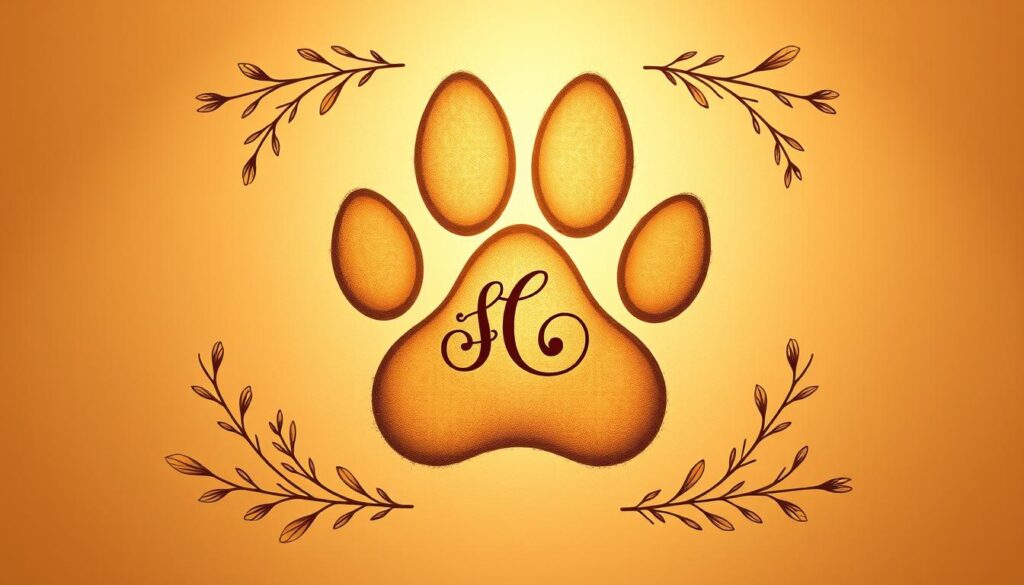
Names and tiny phrases become daily reminders when designed with clear, elegant type. We favor scripts that read cleanly at small sizes and pair well with a tiny symbol.
Elegant typography for your pet’s name or initials
We compare serif elegance, modern sans, and hand-lettered scripts to match mood and personality. Serif feels classic. Sans reads modern and crisp. Hand-lettered scripts add warmth and motion.
Short quotes that resonate
Short lines land best: “Always by my side,” “Love, always,” or a single meaningful word. Pair quotes with a mini heart, a small paw, or a delicate line flourish to balance text and image.
- Sizing: keep letters tall enough to read on curved skin (wrist, rib).
- Proofing: check kerning and diacritics before the session.
- Ink choice: mostly black scripts age best and stay legible longer.
- Maintenance: SPF on healed lines and gentle moisturizers preserve crisp edges.
“A simple name in the right type can hold a lifetime of feeling.”
| Style | Best Feature | Suggested Placement |
|---|---|---|
| Serif | Timeless, formal | Inner forearm, chest |
| Sans | Clean, modern | Wrist, behind ear |
| Hand-lettered script | Warm, personal | Rib, collarbone |
Floral and Decorative Accents
Floral accents can lift a portrait from simple to sculptural, adding motion and meaning around a central image. We favor arrangements that support the focal piece rather than compete with it.
Flower crowns and botanical frames
A crown of mixed wildflowers reads free-spirited while tightly arranged roses feel classic. Botanical frames guide the eye to a silhouette, name, or portrait without overwhelming the composition.
Roses wearing collars for classic-meets-canine beauty
Roses that sit like a collar nod to tradition and identity. This motif works well with a small profile or initials; the bloom becomes a stylish tag that honors your companion.
Scale and placement: keep petals and leaves large enough to read years from now. Wrap light garlands around forearms or balance denser bouquets across the shoulder blade for natural flow.
- Monochrome florals preserve contrast and age best.
- Combine tiny accents—beads, moons, stars—for subtle personality.
- Discuss species selection with your artist to match seasonality or regional meaning.
We like the option to add sprigs later as your story grows. For floral references and more designs, see flower tattoos.
Monochrome framing keeps the main image clear while giving the piece a timeless finish.
Bold, Black, and Mostly Monochrome Tattoos
Bold black work gives clarity and staying power that color often can’t match. We prefer mostly black approaches for contrast and longevity. These pieces age predictably and read clearly at a distance.
Why black-forward work? Solid black offers the highest contrast. It keeps silhouettes and line portraits readable as skin changes. Black ink also needs fewer color touch-ups over time, which saves sessions.
(Mostly) black ink for high contrast and longevity
Blackwork wears well in high-traffic spots like the outer forearm or calf. Use bolder outlines for durability and slightly finer interior lines for detail.
Fine shading to bring depth without color
Gray washes add soft depth to muzzles, ears, and fur texture. Smart negative space and sparse highlights keep features emotive without color.
- Line weight strategy: bold outer lines, delicate inner strokes.
- Fill choices: balance solid fills and negative space to avoid muddiness on small pieces.
- Care tip: black-only work typically needs fewer touch-ups than brightly colored pieces.
Monochrome meshes beautifully with geometry or mandala frames to feel modern and refined. Small doses of contrast can make a simple portrait feel soft and alive.
We mention one practical note: avoid overpacking dark areas on tiny marks to prevent blur as the piece heals. That keeps your image sharp for years.
Finally, if you want durability with refined expression, blackwork is a reliable route for honoring a beloved dog while keeping maintenance low.
Placement Inspiration: From Ankles to Backs
Where you ink a mark changes how often you see it, how it heals, and how it ages with you.
Discreet spots to keep things personal
Finger, ankle, and behind-the-ear locations let us carry a small memory without shouting. These areas work well for micro lines and clean symbols.
Consider friction and healing: fingers and ankles rub often, so bold outlines hold up better than delicate hairlines. Behind the ear is sheltered and reads as a private accent.
Statement placements for larger work
The forearm, shoulder blade, and back offer room for portraits, geometry, or expanded compositions.
We often place a print tattoo on the ankle or back for a readable scale. A shoulder blade silhouette gives graceful flow and space for later additions.
- Orient designs with body flow—angle a profile along the forearm or curve paw paths around the wrist.
- Check workplace visibility and plan around professionalism.
- Expect different pain and session lengths by area; larger canvases often need multiple visits.
| Placement | Best For | Care Notes |
|---|---|---|
| Finger | Micro symbols, initials | Protect from frequent washing; expect touch-ups |
| Ankle | Small paw or print tattoo | Low sun exposure but high friction from shoes |
| Behind ear | Hidden micro marks | Quick heal, minimal sun |
| Forearm / Shoulder blade / Back | Portraits, geometric pieces, larger work | Room for detail; avoid backpack rub while healing |
Conclusion
To finish, think of your mark as a small story you’ll wear every day. We’ve shown a range of dog tattoo ideas—from portrait and paw print motifs to watercolor accents and geometric frames—so you can pick what feels true.
Focus on strong references, clear placement, and an artist who excels in your chosen style. Consider longevity: mostly black work often needs less upkeep, while color shines with careful sun care.
When you’re ready, book a consult, bring photos, and collaborate. With the right plan, your idea becomes lasting art that holds your love close—whether it’s a small print, a heart-led piece, or a gallery-quality portrait.