
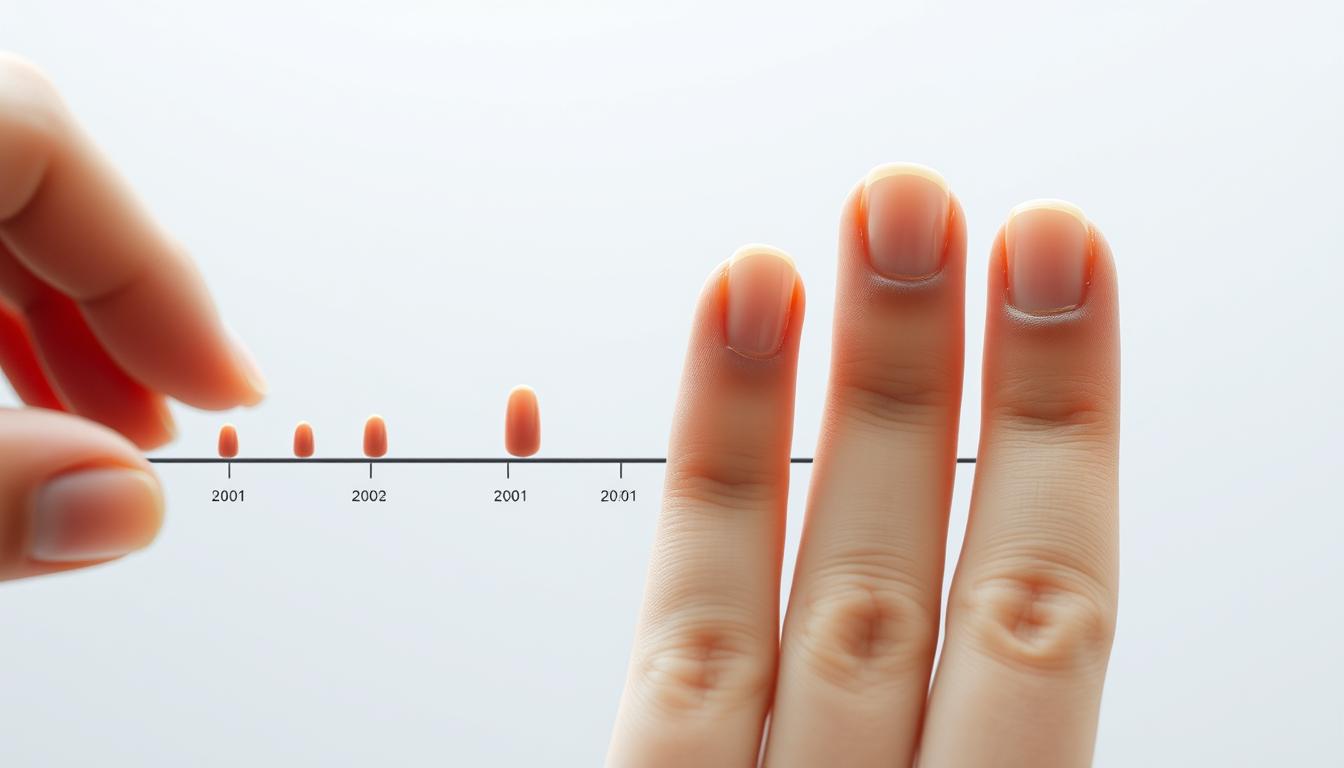
Ever wondered why your nails seem to take forever to grow, yet somehow always need trimming? While many assume nail growth is straightforward, the reality involves a fascinating mix of biology and lifestyle factors. Let’s uncover what truly determines your nail’s journey from cuticle to tip.
Fingernails typically grow about 3.5 millimeters monthly—roughly the thickness of a credit card. Toenails? They’re slower, adding just over 1.5 millimeters in the same time. But why the difference? Your fingers’ constant activity boosts blood flow, fueling faster growth compared to toes. If you’ve ever lost a nail, you know patience is key: six months for fingernails and up to 18 months for toenails to fully regenerate.
Nail health isn’t just about genetics. Diet, age, and even the seasons play roles. For example, protein-rich foods support keratin production, while winter’s dry air might slow progress. This guide will help you separate myths from science, whether you’re healing a broken nail or aiming for salon-worthy length.
Key Takeaways
- Fingernails grow nearly twice as fast as toenails
- Complete regrowth takes up to 6 months for fingers, 18 months for toes
- Blood flow and activity levels significantly impact growth speed
- Nutrition and environment affect nail health and regeneration
- Realistic expectations prevent frustration during recovery or growth phases
Nail Anatomy and the Science of Growth
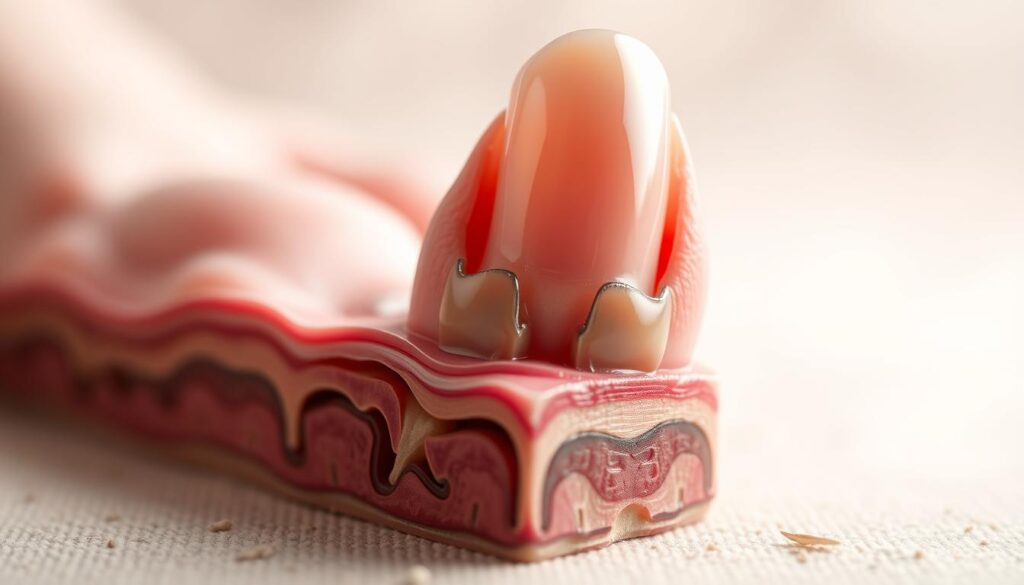
Your nails aren’t just fashion accessories – they’re biological marvels engineered for protection. Beneath every polished surface lies an intricate system of specialized tissue and cells working in perfect sync.
Understanding the Nail Structure
The visible nail plate – what you file and paint – consists of hardened protein called keratin. Like hair strands, this translucent shield gains strength from sulfur bonds between cells. Underneath lies the pinkish nail bed, packed with blood vessels that feed growing tissue.
Your cuticle forms a crucial seal between skin and nail. This flexible barrier prevents infections while allowing new cells to emerge. Damage here often leads to painful inflammation or ridges in the nail plate.
The Role of the Nail Matrix
Hidden under your cuticle, the crescent-shaped matrix acts as the nail factory. This living part generates fresh keratin cells that slowly harden and push forward. Matrix health determines everything from growth speed to nail texture.
Trauma to this sensitive area can cause permanent dents or white spots. “The matrix is like a smartphone factory,” explains dermatologist Dr. Lisa Evans. “If production lines get disrupted, the final product shows defects.”
Blood flow fuels this cellular assembly line. Fingernails grow faster than toenails because hands get more circulation. This explains why keeping hands warm and active supports healthy nail regeneration.
How Long Does It Take for Nails to Grow?
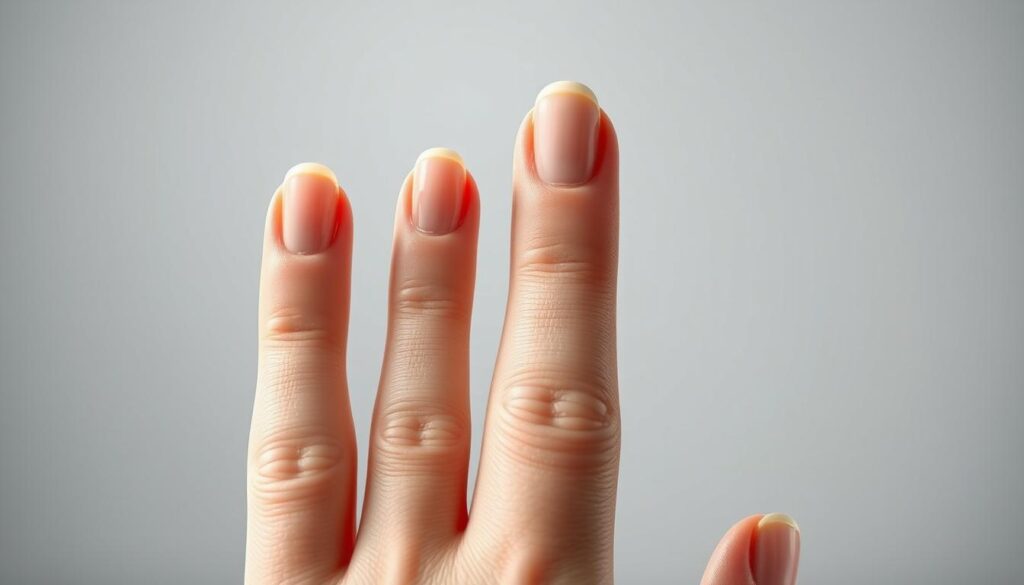
Your nails might seem slow-growing, but they’re actually bustling with activity. Fingernails add about 3.5 millimeters monthly – roughly the length of a sesame seed. That’s nearly twice as fast as toenails, which creep along at 1.6 millimeters per month.
Break it down daily, and you’ll see fingernails extend a hair’s width each day. This steady progress means a lost fingernail needs six months to fully regenerate. Toenails demand triple that time – up to 18 months – due to reduced blood flow in feet.
Growth rates aren’t set in stone. As dermatologist Dr. Emily Carter notes: “Your dominant hand’s nails often grow faster from frequent use.” Summer months and pregnancy can temporarily boost these rates, while aging slows them by nearly 50% after 60.
Want to track progress? A fresh manicure grows out completely in 3-4 weeks. For natural nail enthusiasts, reaching “salon length” typically requires 4-5 months of careful maintenance. Remember – consistency beats speed when building strong, healthy nails.
Key Factors Impacting Nail Growth
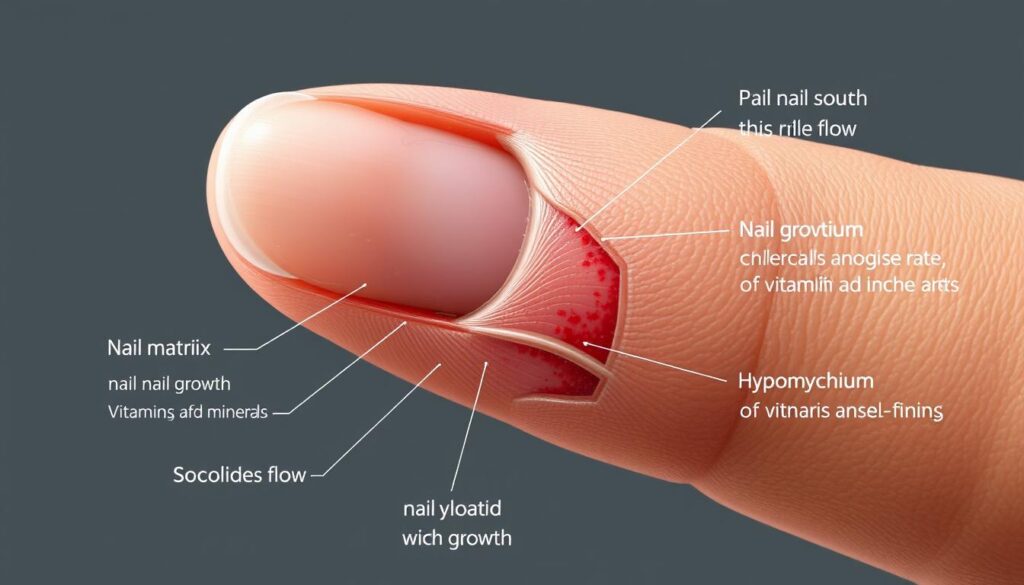
Why do your right-hand nails outpace the left if you’re right-handed? The answer lies in a cocktail of biological quirks and life experiences shaping your nail development.
Influence of Location and Trauma
Your dominant hand’s nails grow 0.1mm faster monthly due to increased activity. Frequent use means more micro-traumas – think typing or jar-opening. These minor injuries trigger your body to pump extra blood and nutrients to repair damage, accidentally boosting growth.
Not all fingers share equal progress. Research reveals pinky nails lag 15% behind others. This variation stems from differences in blood flow and usage patterns across digits.
| Finger | Growth Rate (mm/day) | Comparison |
|---|---|---|
| Thumb | 0.123 | Fastest |
| Index | 0.117 | High |
| Pinky | 0.099 | Slowest |
Effects of Age, Hormones, and Overall Health
Nail growth rate drops 25% between ages 23 and 67. Sluggish circulation and metabolic changes explain this decline. Pregnancy hormones can temporarily reverse this trend – estrogen surges increase nail speed by 30%.
Chronic conditions like diabetes create double trouble: poor circulation slows growth, while nerve damage raises injury risks. “Your nails mirror overall health,” notes dermatologist Dr. Rachel Torres. “Brittle nails often signal nutritional gaps or systemic issues.”
Winter’s dry air can reduce growth speed by 20% compared to summer. Combat this with moisturizing routines and protective gloves during cold months.
Fingernails vs. Toenails: Growth Patterns and Recovery Timelines
Your hands and feet might be neighbors, but their nails operate on completely different schedules. While fingernails sprint through their growth cycle, toenails move at a leisurely stroll. This contrast becomes critical when dealing with injuries or planning nail care routines.
Fingernail Growth Insights
Your fingers’ constant motion gives them a biological edge. Daily tasks like typing or cooking keep blood pumping to nail beds, delivering nutrients for rapid regeneration. This explains why a damaged fingernail can fully grow back in about six months – faster than any other body covering except hair.
Thumb nails lead the growth race, while pinkies lag slightly behind. This variation matches finger usage patterns. As podiatrist Dr. Mark Sullivan observes: “Your dominant hand’s nails often outpace others by 10% – it’s like having a built-in productivity tracker.”
Toenail Regrowth and Injury Recovery
Toes face an uphill battle from the start. Confined in shoes most days, they receive less blood flow and mechanical stimulation. A severed toenail might take 12-18 months to regenerate – triple the fingernail timeline. Severe injuries can stretch recovery to two years.
Common culprits like soccer injuries or tight shoes compound the problem. Unlike fingers that heal through use, toes need deliberate care. Moisturizing socks and periodic barefoot time can boost circulation without exposing nails to trauma.
Tips and Tricks for Accelerating Nail Growth
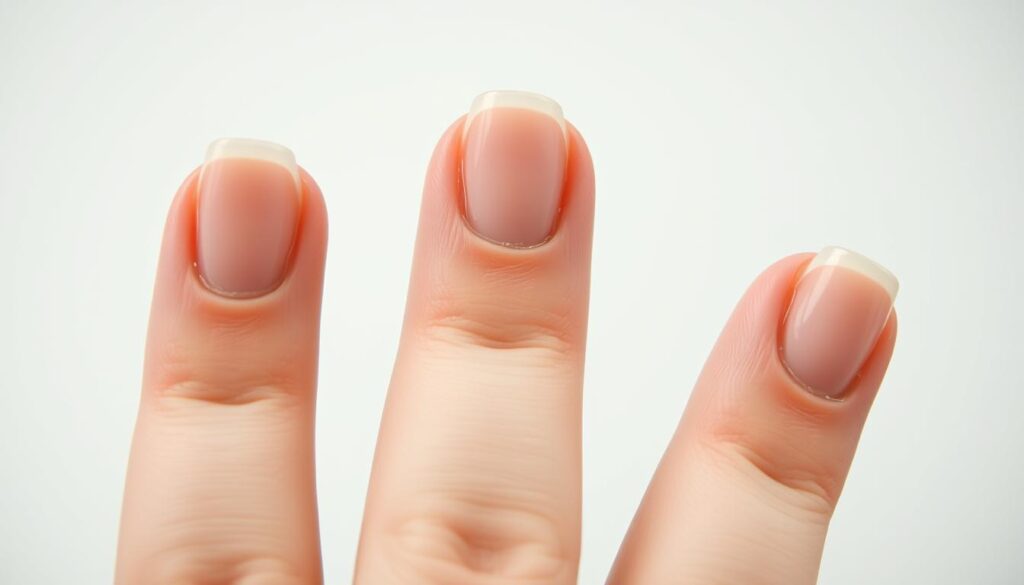
Your nail growth journey doesn’t have to feel like waiting for paint to dry. Smart habits and targeted nutrition can turn your keratin factories into overdrive mode. Let’s explore science-backed strategies that protect your progress while encouraging stronger, more resilient nails.
Fuel Your Growth Engine
Biotin isn’t just hype – studies show 2.5mg daily reduces breakage by 25%. Pair it with protein-packed meals featuring salmon or almonds to supply keratin-building amino acids. Collagen peptides? They’ve boosted growth rates by 12% in trials when used consistently for 3+ months.
Iron and zinc deficiencies often sabotage progress. Spinach and lentils deliver both minerals while keeping your nail bed oxygenated. “Think of your diet as construction materials,” suggests nutritionist Dana Klein. “Quality inputs mean sturdier results.”
Smart Maintenance Matters
Weekly trims with sharp clippers prevent splits that erase weeks of growth. Moisturize daily with jojoba oil – its molecular structure mimics natural skin oils better than most creams. Cuticle care is non-negotiable: gently push them back after showers when they’re softest.
| Practice | Frequency | Key Benefit |
|---|---|---|
| Biotin supplements | Daily | Reduces breakage |
| Deep moisturizing | Nightly | Prevents cracks |
| Professional trims | Every 10 days | Maintains shape |
Nail hardeners offer quick fixes but use them sparingly. Formulas with formaldehyde can weaken nails over time. Instead, try breathable base coats that reinforce without suffocating. Remember – consistency beats intensity when cultivating nails that grow faster and stay healthy.
Nail Care Treatments: Myths and Best Practices
Navigating nail care options feels like walking through a minefield of conflicting advice. Some “miracle” products promise rapid results but often deliver hidden consequences. Let’s separate fact from fiction to protect your natural nail health.
Safe Use of Nail Hardeners and Avoiding Toxins
Many strengtheners backfire over time. Formaldehyde-based formulas temporarily firm nails but eventually cause brittleness. Water-based polishes with calcium or bamboo extract offer safer alternatives. Always check labels for these red flags:
- Toluene – dries out nail beds
- Formaldehyde – creates artificial hardness
- Dibutyl phthalate – linked to peeling
Gel manicures require special caution. “The UV lamps and removal process damage the nail matrix,” warns dermatologist Dr. Sarah Chen. Limit professional gel treatments to 6x yearly, and always request acetone-free removers.
DIY Approaches Versus Professional Treatments
Home remedies work for minor issues. A 10-minute olive oil soak can repair surface cracks. But persistent problems like yellowing or ridges often signal deeper infections or conditions needing medical care.
Consider this comparison when choosing solutions:
| Issue | DIY Approach | See a Doctor If… |
|---|---|---|
| White spots | Calcium supplements | Spots spread or thicken |
| Peeling edges | Jojoba oil massages | Pain or redness appears |
| Surface ridges | Gentle buffing | Ridges become deep grooves |
Psoriasis and eczema require customized treatment plans. Over-the-counter creams often worsen these conditions – consult a dermatologist for targeted solutions that address root causes rather than just symptoms.
Supporting Nail Health Through Overall Well-Being
Your body’s health whispers secrets through your nails. Circulation and nutrient absorption don’t just affect your energy levels – they’re the invisible architects shaping your nail strength. A balanced lifestyle creates the ideal environment for resilient keratin production.
Stress management matters more than you think. Chronic tension reduces blood flow to extremities, starving nail beds of oxygen. Simple practices like hand massages or warm compresses counteract this effect while promoting relaxation.
Sleep quality directly impacts cell regeneration. Those 7-9 nightly hours allow your body to redirect resources to non-essential functions like nail growth. Pair quality rest with nutrient-rich meals featuring leafy greens and omega-3s for compounded benefits.
Hydration keeps nails flexible. Dehydrated keratin becomes brittle, leading to splits that undo months of progress. Carry a reusable water bottle and moisturize hands after washing – this dual approach protects from both ends.
Remember: your nails reflect internal wellness. As dermatologist Dr. Amy Patel notes, “Consistent care for your whole self always shows up at your fingertips.” Small, daily choices build the foundation for nails that shine with vitality.