
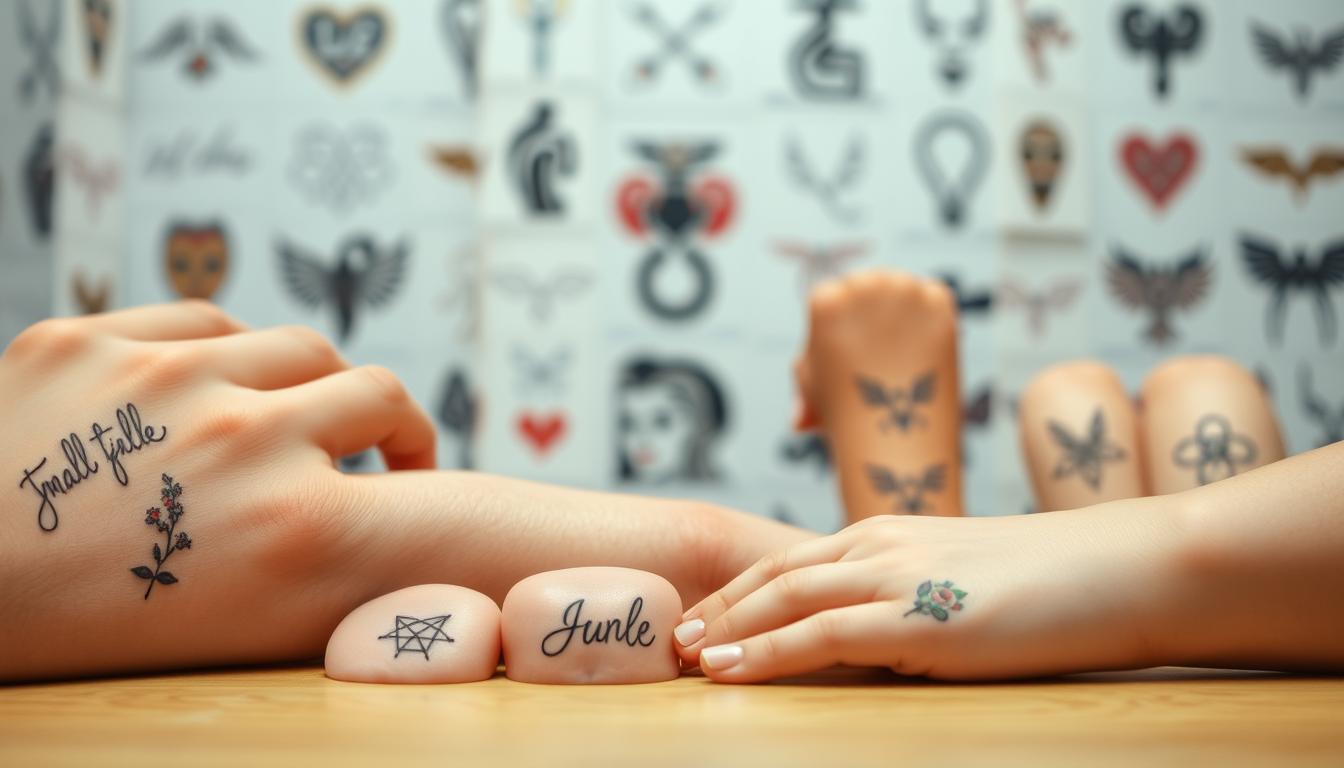
What if your dream ink costs twice what you expected—even for something tiny? Many first-timers assume simple designs automatically mean bargain prices, but the truth about tattoo pricing might surprise you.
Prices for minimalist body art typically start at $50 and climb to $200. However, studios often charge minimum fees of $100 or more—even for designs smaller than a credit card. Why? Artists factor in prep time, equipment sterilization, and their expertise. A delicate floral wrist piece could cost the same as a bold text tattoo, depending on line work and shading.
Your location plays a role too. Studios in major cities like NYC or LA often charge 20-30% more than those in smaller towns. Custom designs also bump up pricing compared to flash (pre-drawn) options. We’ll unpack these variables so you can budget wisely.
Key Takeaways
- Most studios enforce minimum charges between $50-$100
- Design complexity impacts pricing more than physical size
- Urban locations often have higher base rates
- Custom artwork generally costs more than pre-made designs
- Aftercare products add $15-$30 to your total investment
Ready to decode studio pricing sheets and avoid sticker shock? Let’s explore what really determines your final price—and how to get exceptional value without compromising quality.
Introduction to Small Tattoos and the Buyer’s Guide
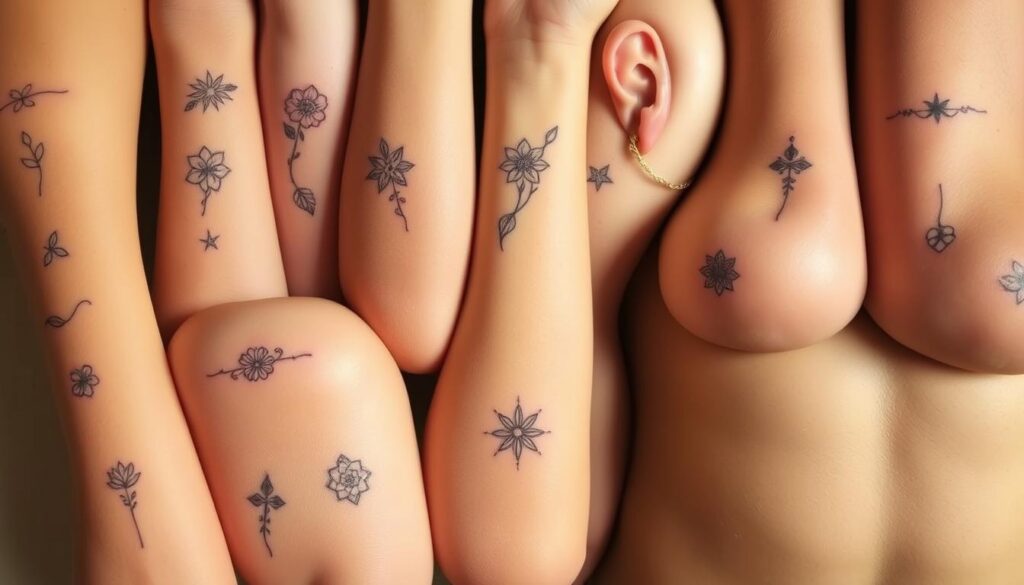
Ever wondered why your idea of a “tiny” tattoo might not match your artist’s? Size definitions vary wildly in the ink world. A minimalist symbol behind your ear could be labeled “small,” while a 4-inch floral wrist piece might fall into the same category—depending on who’s holding the needle.
Defining a Small Tattoo
Artists often measure body art in inches, not adjectives. A piece smaller than a credit card (about 2”x3”) usually qualifies, but intricate details can shift perceptions. For clarity, describe your vision using comparisons like “quarter-sized” or “iPhone camera lens proportions.”
Three factors redefine “small”:
- Line thickness (delicate vs. bold)
- Placement (finger vs. shoulder blade)
- Color complexity (single shade vs. gradients)
What to Expect from This Guide
We’ll decode pricing mysteries—from why palm-sized designs sometimes cost more than forearm pieces to hidden fees like stencil charges. You’ll learn:
• How artists calculate rates for compact designs
• Why urban studios charge premiums
• Budgeting tricks for first-timers
By the end, you’ll speak the language of studios fluently—no sticker shock, no guesswork.
Factors That Influence Tattoo Pricing

Your tattoo’s final price tag hides more variables than you might expect. While size matters, it’s just one piece of the puzzle. Artists weigh multiple elements when quoting your design—some obvious, others less so.
Size, Detail, and Time Requirements
Complexity trumps physical dimensions every time. A postage-stamp-sized mandala with microscopic patterns might take longer than a 3-inch bold arrow. Fine linework demands steady hands and intense focus—skills that justify higher rates.
Color choices also play a role. Vibrant gradients or multi-shade designs require extra time for mixing inks and layering pigments. Black-and-gray pieces often cost less since they skip these steps.
Body Placement and Pain Considerations
Where you ink affects your wallet. Bony areas like ribs or ankles challenge artists—awkward angles and sensitive skin slow the process. Expect added fees for these “high-maintenance zones.”
Pain tolerance impacts pricing too. If you need frequent breaks during a finger or collarbone tattoo, sessions stretch longer. Studios often charge by the hour, so delays add up.
Your artist’s expertise and studio location also matter. Seasoned professionals in trendy neighborhoods typically charge premium rates. For a deeper dive into these variables, explore our guide to understanding tattoo pricing.
Understanding Tattoo Pricing Structures
Your artist’s pricing strategy might look like abstract math until you crack the code. Two main systems dominate the industry: time-based billing and fixed-price agreements. Knowing which method your studio uses prevents budget surprises.
Hourly Rates vs. Flat Rates
Top-tier artists often charge $150-$300 hourly for complex custom work. Beginners might quote $50-$80 hourly. But here’s the twist: many simple designs use flat rates instead.
Flash tattoos frequently come with preset prices. A palm-sized rose could cost $120 flat, while a quarter-sized star might be $80. Flat rates work best when artists know exactly how long a design takes.
Minimum Charges and Additional Fees
That dime-sized heart? It still triggers a $60-$100 minimum charge. Studios aren’t being greedy—they’re covering:
- Single-use needles
- Antiseptic wipes
- Stencil paper
Some artists add $20-$50 design fees for custom sketches. Always ask about “setup charges” or “redraw fees” during consultations. Pro tip: Combining multiple small tattoos into one session often beats paying separate minimum charges.
How Much Does a Small Tattoo Cost
Planning your first ink? Numbers tell the real story. While prices swing based on complexity, most minimalist pieces land between $50-$250. Let’s translate ideas into dollar amounts.
Breaking Down the Costs
Basic symbols and single-line designs start at $60. Think:
- Wave outlines on ankles: $60-$80
- Wrist constellations: $70-$90
- Finger initials: $80-$120
Credit card-sized art jumps higher. A 3-inch feather with shading runs $100-$150. Palm-sized creations? Those hit $150-$250 for detailed florals or geometric patterns.
| Size Reference | Common Designs | Typical Price |
|---|---|---|
| Coin-sized | Minimalist symbols | $50-$80 |
| Credit card | Text quotes, simple animals | $100-$150 |
| Palm print | Floral clusters, mandalas | $150-$250 |
Urban studios often add 20% to these rates. Rural areas? You might snag deals near the lower ends. Always ask about minimum charges—many shops bill $100+ even for postage-stamp art.
Remember: Clean lines age better than crowded details. Investing in skilled hands now prevents blurry regrets later.
Pricing Variations Based on Design and Placement

Your chosen design and body placement hold surprising power over your tattoo’s final price. Two identical-sized pieces can vary by hundreds depending on these factors.
Design Complexity and Style Choices
Simple symbols cost less than intricate masterpieces. A bold arrow might take 30 minutes, while a micro-realistic butterfly could require two hours. Artists charge for their time – and skill.
Consider these style comparisons:
| Style Type | Time Required | Average Cost |
|---|---|---|
| Minimalist linework | 45-60 mins | $80-$120 |
| Traditional flash | 1-1.5 hrs | $150-$200 |
| Realistic portraits | 2+ hrs | $250-$400 |
Flash designs save money since they’re pre-drawn. Custom artwork often adds 20-50% to your bill. For inspiration on ready-made options, explore beautiful tattoos from curated collections.
Impact of Body Location on Pricing
Your ribcage isn’t just sensitive – it’s expensive. Difficult placements increase session time and artist focus. Areas with thin skin or complex contours often trigger higher rates.
Common challenging spots include:
- Fingers: Tight spaces require precision
- Spine: Sensitive nerve endings slow progress
- Ears: Curved surfaces demand special techniques
Compare these placement price adjustments:
| Body Area | Difficulty Level | Price Adjustment |
|---|---|---|
| Forearm | Easy | Base rate |
| Collarbone | Moderate | +15-25% |
| Hands | Hard | +30-50% |
Discuss placement challenges during consultations. Some artists offer flat rates for tricky areas – always ask before committing.
Choosing the Right Tattoo Artist for Your Small Tattoo
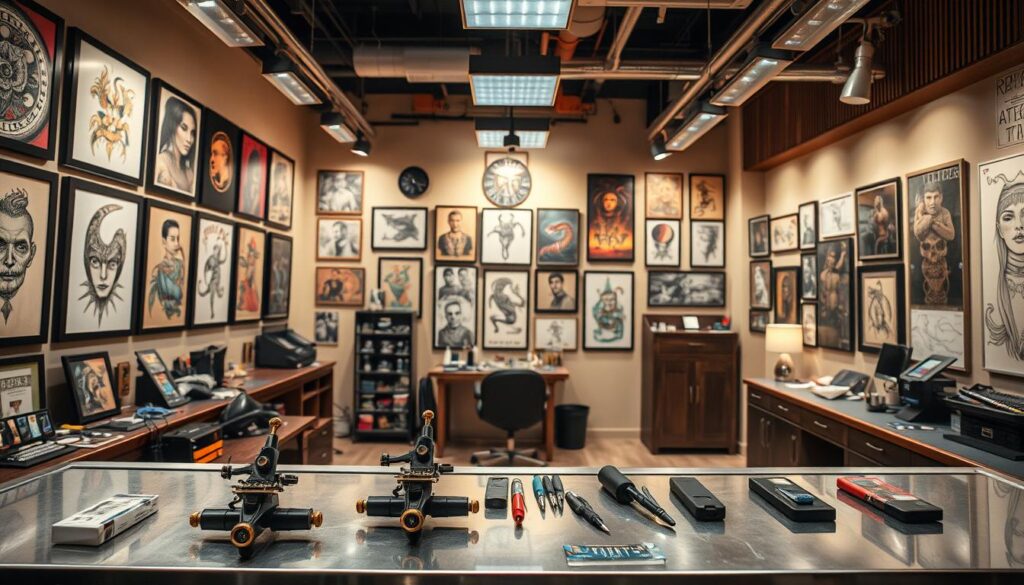
Your ink’s longevity and precision depend on who holds the needle. While many focus on design first, seasoned collectors know artist selection makes or breaks compact tattoos. Delicate work demands specific technical skills that not all professionals possess.
Artist Experience and Style Specialization
Specialists in micro-realism often charge $180-$225 hourly, while traditional artists might range $160-$200. This table shows how expertise impacts capabilities:
| Specialization | Ideal For | Typical Hourly Rate |
|---|---|---|
| Fine Line | Detailed scripts, micro-dots | $190-$220 |
| Geometric | Precise shapes, symmetry | $170-$200 |
| Single Needle | Ultra-thin designs | $200-$240 |
Review portfolios for crisp lines in healed photos. “A quality tattoo should look intentional even when shrunk down,” advises Brooklyn artist Mara Lin. Avoid artists whose galleries show blurred edges on small-scale work.
Consultations and Personalized Estimates
Most studios offer free 15-minute consultations. Bring:
- Size references (coin, credit card)
- Placement photos
- Style inspiration images
Artists often adjust rates based on your skin type and design complexity. Those specializing in finger tattoos might charge 25% more due to technical challenges. Always request a written quote detailing setup fees and touch-up policies.
Budgeting and Planning for Your Tattoo
Crafting your perfect ink shouldn’t drain your wallet—smart planning keeps both your skin and savings intact. Think beyond the base price: travel expenses, aftercare kits, and potential touch-ups all factor into your total investment.
Setting a Realistic Budget
Research local studio rates first. Add a 20% buffer for design tweaks or extended sessions. Quality artists often charge more, but their expertise prevents costly fixes later. Many studios now offer payment plans—ask about splitting your balance over 2-3 months.
Watch for hidden fees. Some shops add $10-$25 for premium saniderm wraps or numbing creams. Always request a line-item estimate during consultations.
Tips for Saving Without Sacrificing Quality
Flash sales every Friday? New artists needing portfolio pieces? Studios frequently run promotions—follow their social media for deals. Combining multiple designs into one session saves on setup fees.
Pro tip: Schedule winter appointments. Many artists discount rates during slower months. Just remember—cheap ink often fades faster. Your skin deserves skilled hands, not bargain-bin experiments.