
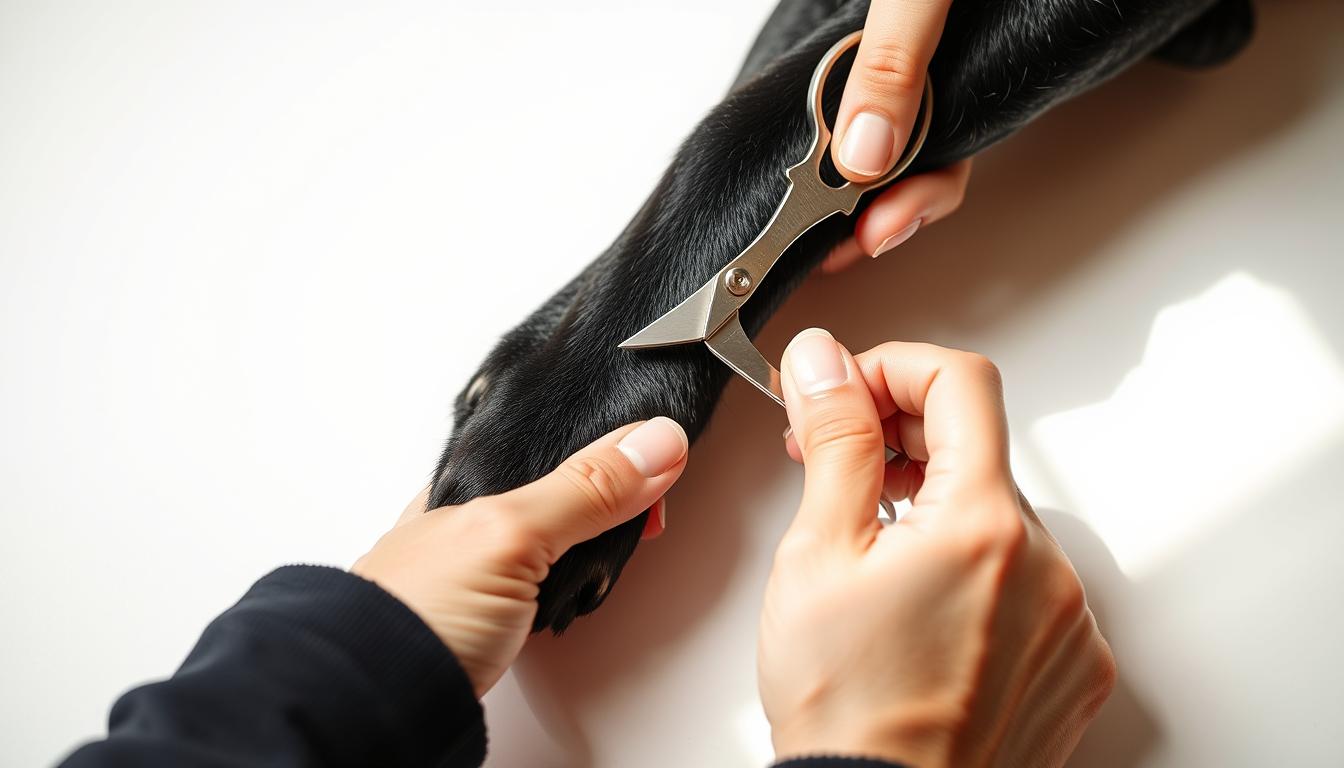
Does the thought of trimming your furry friend’s dark claws make your palms sweat? You’re not alone. Many pet owners avoid this task, fearing they’ll cause pain or injury. But here’s the truth: with the right approach, home care becomes simpler than you imagine.
Dark-colored claws require extra attention since the quick – the sensitive blood vessel – stays hidden. Unlike lighter nails, you can’t rely on visual cues. This guide reveals practical methods to confidently maintain your companion’s paws. Regular grooming not only saves trips to the groomer but also deepens trust between you and your pet.
Start with adult animals or puppies over eight weeks old, as vets recommend. Monthly sessions keep claws at a safe length. Use tools designed for pets and work gradually. Shine a light underneath to spot the quick’s endpoint. Nervous pets? Patience and positive reinforcement transform this chore into bonding time.
Key Takeaways
- Dark claws hide the quick, requiring careful techniques like flashlight checks
- Monthly trims prevent overgrowth and reduce injury risks
- Proper tools and calm handling ease stress for anxious pets
- Home care strengthens your relationship while saving money
- Veterinarians recommend starting at eight weeks for puppies
Understanding the Importance of Regular Dog Nail Trimming
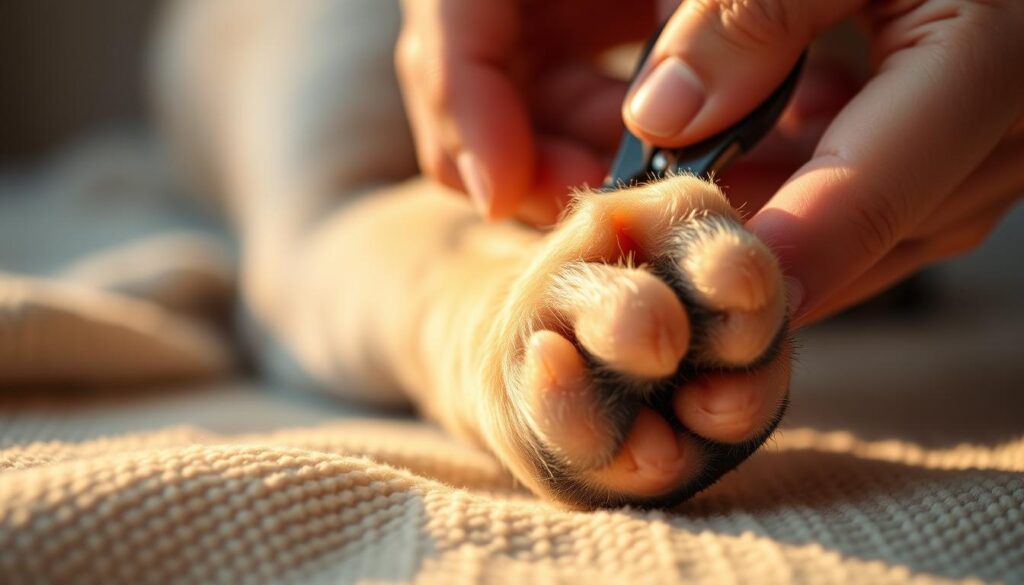
Imagine your companion’s claws as vital indicators of their overall physical condition. Proper care goes beyond appearances—it directly impacts comfort, movement, and long-term health. Consistent maintenance prevents issues before they start, creating a happier life for your furry family member.
Why Regular Trimming Matters for Your Pet’s Health
Short claws keep paws aligned naturally during walks. When nails touch the ground constantly, pets shift their weight awkwardly. This strains joints and may lead to arthritis over time. Veterinarian Dr. Lisa Sanders notes: “Overgrown nails force animals to walk like they’re wearing high heels every day.”
Risks of Overgrown Nails and Painful Consequences
Neglected claws often split or curl into paw pads, causing infections. Long quicks—the blood vessel-filled area—become harder to avoid during grooming. Regular sessions help this sensitive part recede, making future trims safer. Pets with untrimmed nails also risk snagging them on carpets or furniture, leading to sudden injuries.
Key benefits of timely care include:
- Reduced pressure on leg muscles and spine
- Lower chances of broken claws or ingrown nails
- Positive grooming experiences that build trust
How to Cut Black Dog Nails: Tools and Techniques
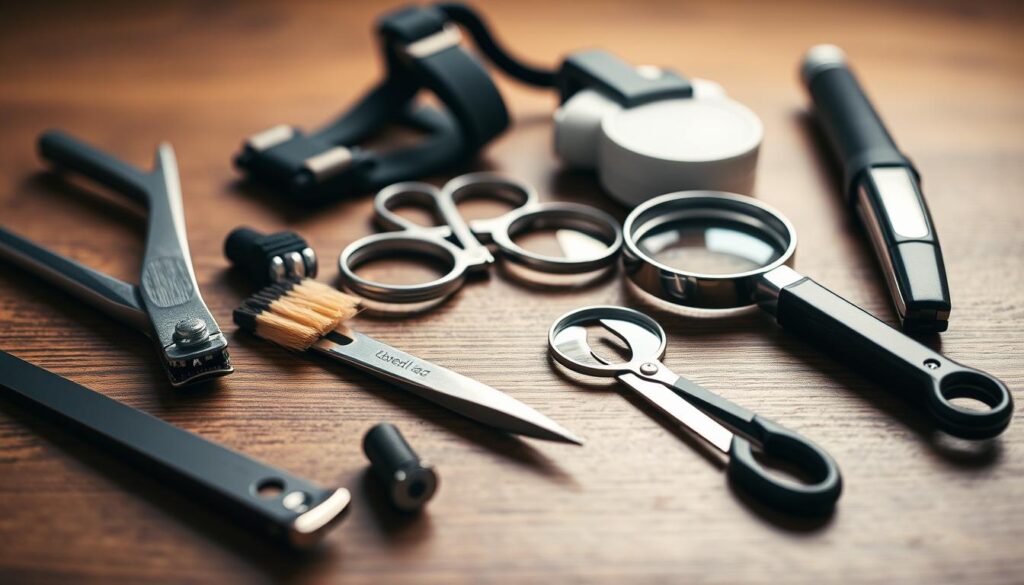
Equipping yourself with proper tools transforms claw care from daunting to doable. The right gear minimizes risks while maximizing precision—especially when working with dark-colored claws that hide sensitive structures. Let’s break down your options and methods for smooth, stress-free sessions.
Selecting Your Grooming Arsenal
Guillotine-style clippers suit beginners, featuring a guided hole for positioning. Scissor-type designs offer better control for thicker claws. Rotating grinders work wonders for anxious pets, filing edges gradually. Dremel and similar brands provide variable speeds—start low to avoid heat buildup.
Precision Techniques for Confident Trimming
Hold the flashlight beneath the claw to reveal the quick’s endpoint. Make micro-cuts, stopping when the center darkens—this signals you’re getting close to blood vessels. Maintain a straight angle, leaving 2mm clearance. Check each digit separately since wear patterns vary.
Key safety practices:
- Sharpen blades before each session
- Secure restless pets with a helper or harness
- Reward calm behavior with high-value treats
Preparing Your Dog for a Stress-Free Nail Trimming Session
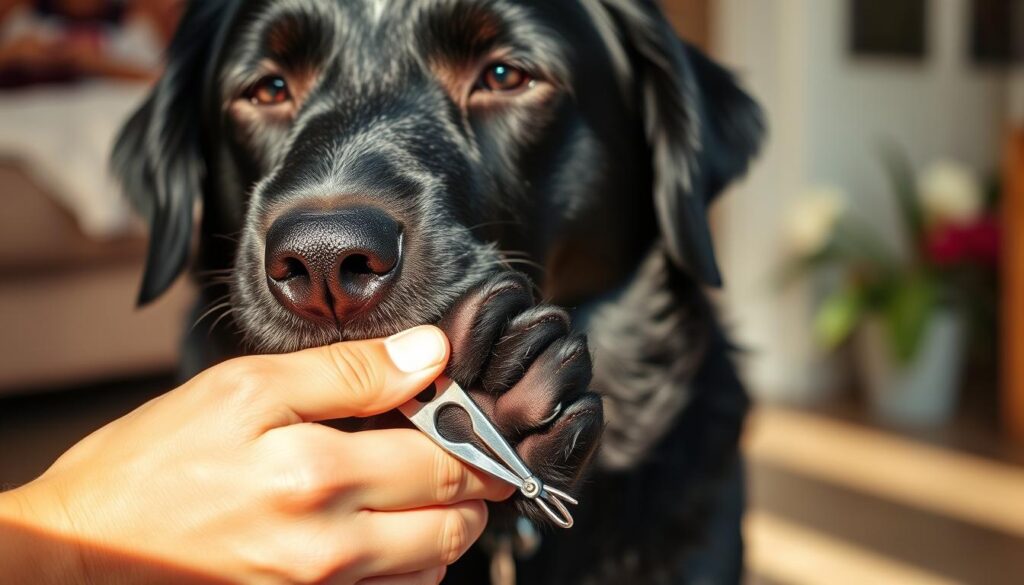
Successful grooming starts long before clippers touch claws. Creating positive associations turns necessary care into bonding moments. Set the stage by choosing a quiet area free from distractions—your pet deserves full attention during this shared experience.
Introducing Your Paws to Handling
Begin with daily touch exercises when your companion is relaxed. Gently massage each paw while offering high-value dog treats. Gradually increase pressure over weeks, mimicking clipper sensations. This builds trust and reduces squirming during actual sessions.
Pair every interaction with rewards. Veterinarian Dr. Emily Carter advises: “Dogs learn fastest when positive reinforcement follows desired behavior.” Keep sessions under three minutes initially—short bursts prevent overwhelm.
Gathering Essentials for Smooth Sessions
Assemble supplies before starting. You’ll need:
- Specialized clippers or grinder
- Styptic powder for quick stops
- Soft-bristle brush for debris removal
Time trims after bath time when claws soften naturally. Place a rubber mat underfoot for stability—anxious pets appreciate secure footing. Keep treats within reach to give treats after each successful step.
Remember: Calm energy sets the tone. If your furry friend seems stressed, pause and try again later. Consistent practice transforms nail care from chore to cherished routine.
Addressing Fear and Minimizing Pain During Trimming
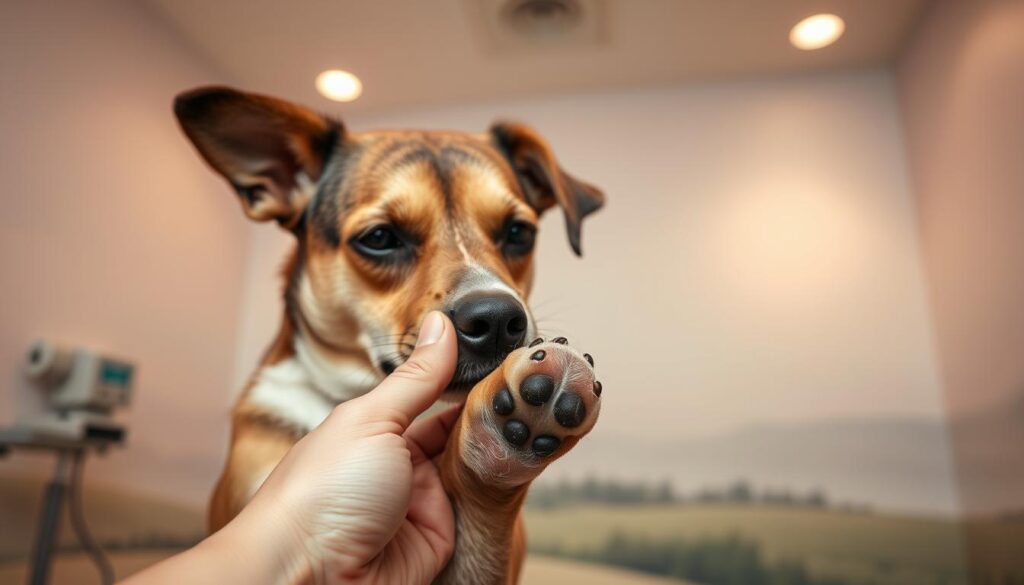
Transforming grooming sessions from stressful to successful requires smart strategies. Many pets associate claw care with discomfort, but positive reinforcement reshapes their perspective. Start by observing your companion’s body language – flattened ears or tucked tails signal unease.
Desensitizing Your Pup to Grooming Tools
Introduce clippers or grinders over multiple days. Let your furry friend sniff the tools while offering chicken bites or cheese. Touch the device to their paws without trimming, pairing each contact with cheerful praise. For noise-sensitive pets, practice with dried macaroni – the crunch mimics clipping sounds without pressure.
| Desensitization Step | Duration | Reward Type |
|---|---|---|
| Tool introduction | 2-3 days | Verbal praise |
| Paw touching | 4-7 days | High-value treats |
| Sound simulation | 1 week | Playtime after sessions |
Preventing Accidental Injury
Shine a flashlight through dark claws to spot the quick’s endpoint. Make micro-trims, stopping when the center shows a chalky circle. If bleeding occurs, press styptic powder firmly for 30 seconds. Dr. Sarah Wilkins notes: “Calm reassurance helps pets recover faster from accidental nicks.”
Keep sessions under five minutes for anxious companions. Watch for:
- Excessive panting or trembling
- Attempts to hide or escape
- Whining or growling
Maintaining Nail Health: Aftercare and Regular Checks
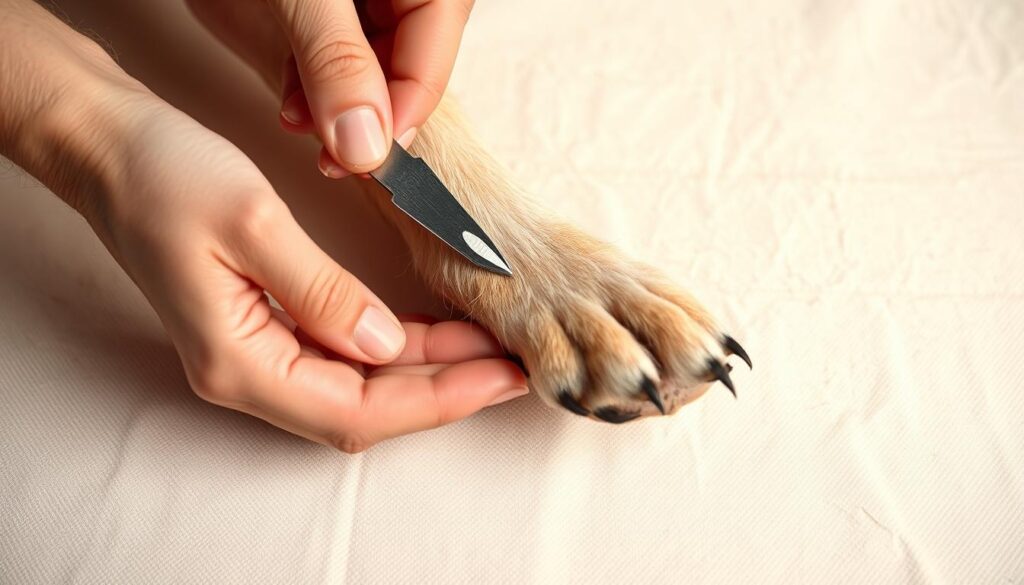
Consistent care keeps paws healthy long after trimming tools are put away. Establish a biweekly routine to inspect each claw’s length and condition. Healthy nails sit just above the ground when your pet stands naturally—no clicking sounds during walks means perfect positioning.
Post-Trimming Care for Soothing Your Pet’s Paws
After grooming sessions, massage paws gently using circular motions. This improves circulation and reinforces positive associations. Offer favorite treats immediately—rewards turn necessary care into something your companion anticipates happily.
Incorporate pavement walks into daily exercise. Hard surfaces naturally file claws between trims. Senior pets or those with mobility issues may need more frequent checks—aging changes wear patterns dramatically.
Dew claws demand special attention. These higher digits never contact the ground, so they grow unchecked. Check them every three weeks, trimming carefully to prevent curling into paw pads.
- Schedule nail inspections during bath time when claws soften
- Use a grinder to smooth rough edges after clipping
- Watch for discoloration or swelling around nail beds
If claws appear cracked or you spot discharge, contact your vet promptly. Professionals handle severe overgrowth safely, especially when quicks have extended too far. Remember—preventive care beats emergency visits every time.
Conclusion
Mastering paw care transforms a daunting task into a rewarding ritual for both you and your furry companion. You’ve discovered specialized approaches for dark claws, from using angled clippers to identifying hidden blood vessels with light. These methods turn monthly sessions into opportunities for trust-building rather than stress.
Remember: gradual progress beats perfection. If your pup shows anxiety, pause and revisit desensitization steps. Keep styptic powder nearby for rare bleeding incidents, though careful trimming minimizes this risk. Regular checks between trims help maintain ideal claw length effortlessly.
Your vet remains your best ally for complex cases like severely overgrown or injured claws. Combine professional guidance with consistent home care for lifelong paw health. With patience and practice, you’ll nurture a calm grooming routine that benefits your pet’s mobility and comfort.
Celebrate each small victory—every successful session strengthens your bond while keeping those playful paws in top shape!