
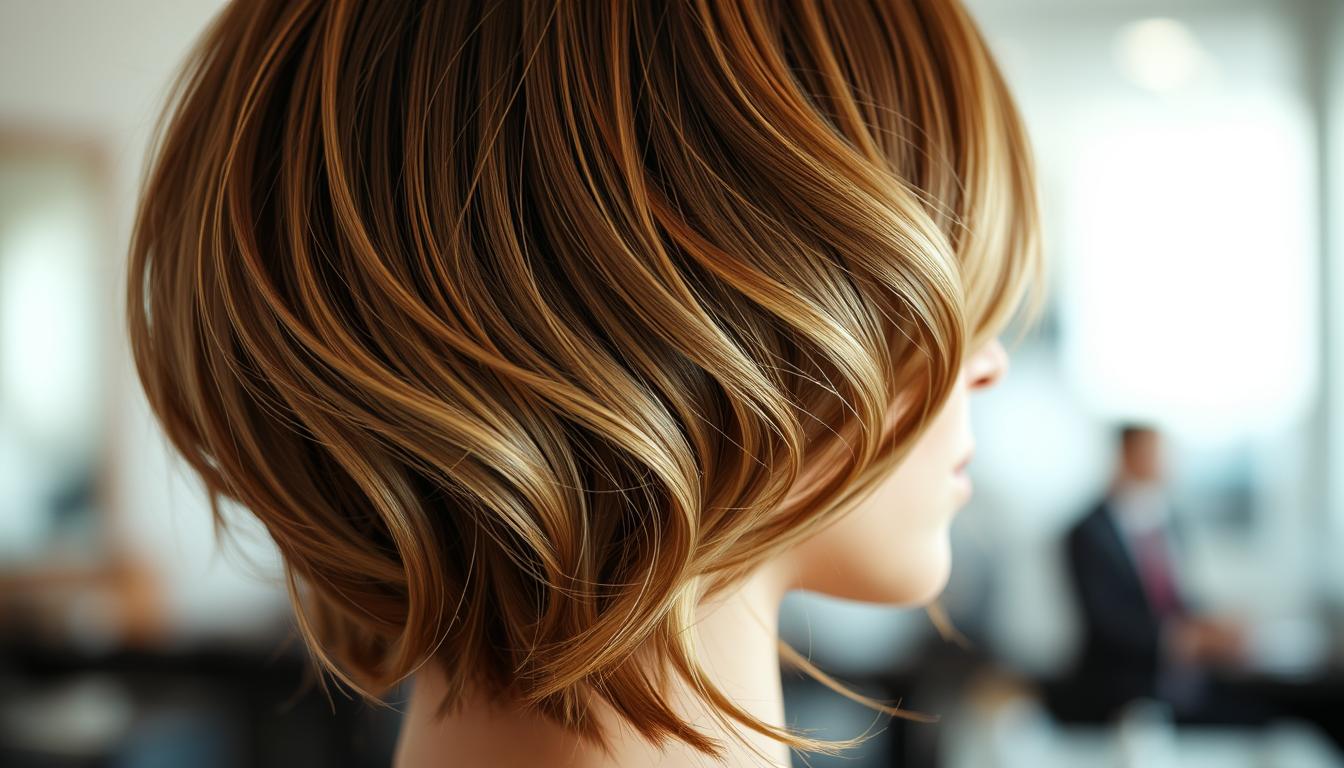
Why do some layered hair cuts make you look chic, while others don’t? The secret is in the subtle techniques used by pros. These techniques can enhance natural textures, add volume, and create movement. Layered hair cuts can truly change your look.
Jenny Balding from Cutler Arlo Salon says a well-done layered cut can make straight hair look modern and romantic. Lori Zabel, a Redken master, notes that angular cuts can highlight your face’s best features. Cassie Siskovic, Moroccanoil’s artistic director, believes layered cuts stay trendy because they’re so versatile.
Wondering how to layer your hair cut or need tips from pros? You’re in the right spot. Curious about how a few snips can change your look? This guide will share all the secrets.
Key Takeaways
- Layered hair cuts enhance natural hair textures and introduce volume and movement.
- Sharp, angular cuts can contour and frame the face, creating flattering styles.
- Layered haircut styles are adaptable, making them timeless and trendy.
- Knowledge of the right tools and techniques is essential for mastering a layered hair cut.
- Experts like Jenny Balding and Lori Zabel provide invaluable insights for achieving perfect layers.
- Consider your hair type and face shape for the most flattering layered look.
- Using resources and guides, like those from Nail Cut and Ink, can dramatically improve your DIY hair cutting skills.
Understanding the Basics of Layered Hair Cuts
To look great with your hair, knowing about layered cuts is key. The right technique gives volume and movement to flat hair. Let’s explore these basic principles.
What is a Layered Hair Cut?
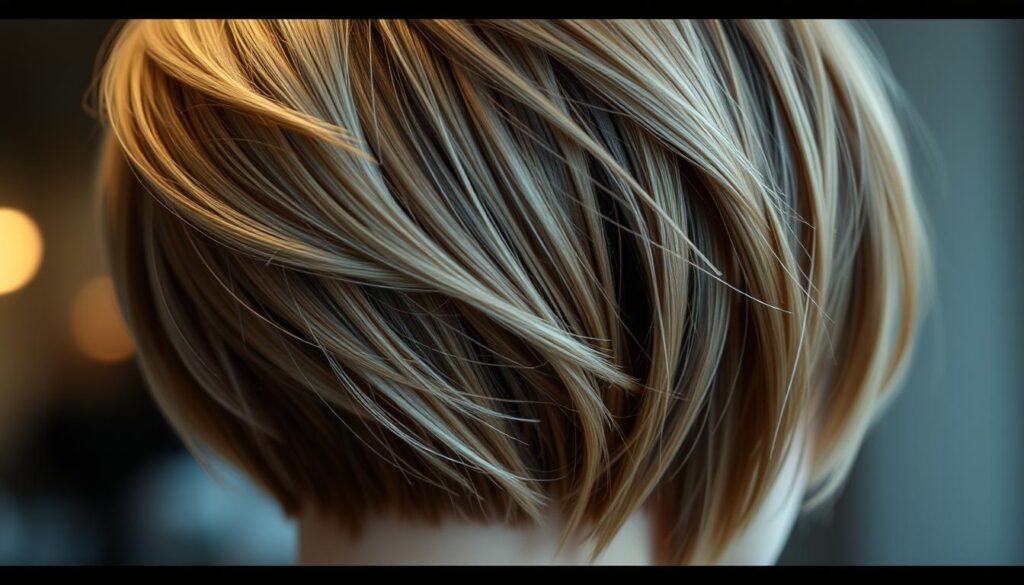
A layered haircut means cutting hair at different lengths. It creates the illusion of volume and depth. The goal is to add movement and dimension, making your look dynamic and versatile. Experts like Jenny Balding say layering works for any hair length—short, medium, or long.
Different Types of Layered Cuts
There are many layered haircuts to choose from. Invisible blunt layers add flow subtly. The mermaid haircut, on the other hand, focuses on voluminous waves and curls. Each style changes how your hair looks and feels. Here’s a comparison:
| Type of Layered Cut | Characteristics |
|---|---|
| Invisible Blunt Layers | Seamless and subtle, ideal for smooth transitions |
| Mermaid Layers | Enhances volume and waves, creating a dramatic look |
| Textured Layers | Adds definition and edginess, perfect for a modern style |
Benefits of Layering Hair
Layered hair cuts have many benefits. They make fine hair look fuller and add volume. According to Cassie Siskovic, layering also makes heavy hair feel lighter and easier to manage. It highlights your natural features and face shape, adding a dynamic appeal.
Preparing for Your Layered Hair Cut
Getting ready for a layered hair cut is a big step. It involves picking the right style and gathering the best tools. This preparation is key to a successful hair cutting tutorial.
Choosing the Right Style
Before starting your hair cutting tutorial, pick a layered style that fits your face and hair. Talking to an experienced stylist is a good idea. They can help you find the best cut for you.
Lori Zabel, a famous stylist, says to think about your lifestyle and hair type. This way, you get a style that looks good and is easy to manage.
Tools and Products You’ll Need
Having the best tools for layering hair is important for a great cut. Professionals often use high-quality shears, like the Hanzo Mamba shears, for precision. You’ll also need:
- Point Cutting Shears
- Texturizing Shears
- Hair Clips
- Comb
- Water Spray Bottle
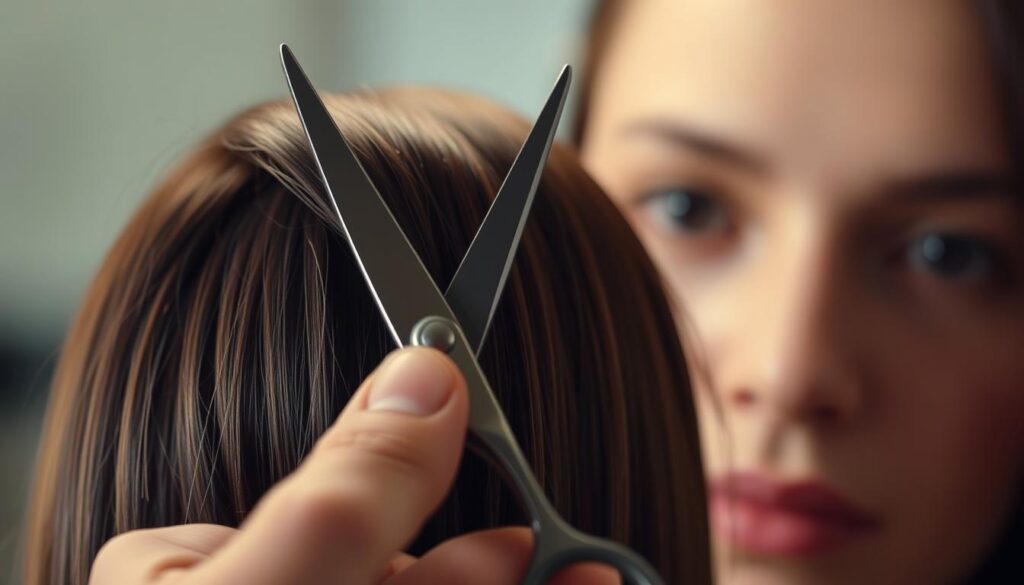
Using the right products, like quality styling sprays and serums, is also key. These help you get a smooth and polished look. With these tools, you’ll be ready to learn how to cut layered hair.
How to Communicate with Your Stylist
A great salon visit starts with clear talk between you and your stylist. Knowing hair terms and sharing what you like can really help. It makes sure you get a layered hairstyle that fits your style and life.
Essential Terminology to Know
To make sure you and your stylist are in sync, learn some key terms. For example:
- Bulk reduction: Removing extra volume from thick hair.
- Texturizing: Adding movement and depth to the hair.
- Angle cutting: Cutting hair at specific angles for a custom look.
What to Bring to Your Appointment
Visual aids can be super helpful when you want a specific look. Bring pictures of styles you like and dislike. This helps your stylist get your vision and avoid styles you don’t want.
Questions to Ask Your Stylist
Have a conversation by asking questions. Ask things like “How will this cut work with my hair type?” and “What’s the upkeep?” Lori Zabel says talking about your daily hair routine is key. It ensures your new layered cut fits perfectly into your life. Such tips help you get a style that’s not just pretty but also easy to care for.
Here’s a table to help you understand your needs and what to ask:
| Aspect | Your Concerns | Stylist’s Insights |
|---|---|---|
| Daily Maintenance | How much time do you commit to styling? | Recommends cuts that fit your routine. |
| Volume | Do you want more or less volume? | Suggests bulk reduction or texturizing techniques. |
| Styling Tools | What tools do you regularly use? | Advises on scissors vs. razor layering methods. |
Techniques for Cutting Layers at Home
Want to cut layers at home? Knowing the right techniques is key. With the right tools and methods, you can get a salon-quality haircut from your own home.
Basic Cutting Methods
Start by sectioning your hair. This guide will help you divide it into small sections. Use a comb or hair clips to keep things organized.
As you cut, make sure each layer is angled slightly. This creates a natural, blended look.
Securing a Straight Edge
Getting a straight edge is important for a polished look. Use a fine-tooth comb to straighten and hold the hair before cutting. This method prevents uneven lines and ensures each cut is precise.
Keep re-combing the hair as you cut. This keeps the sections neat and makes layering easier.
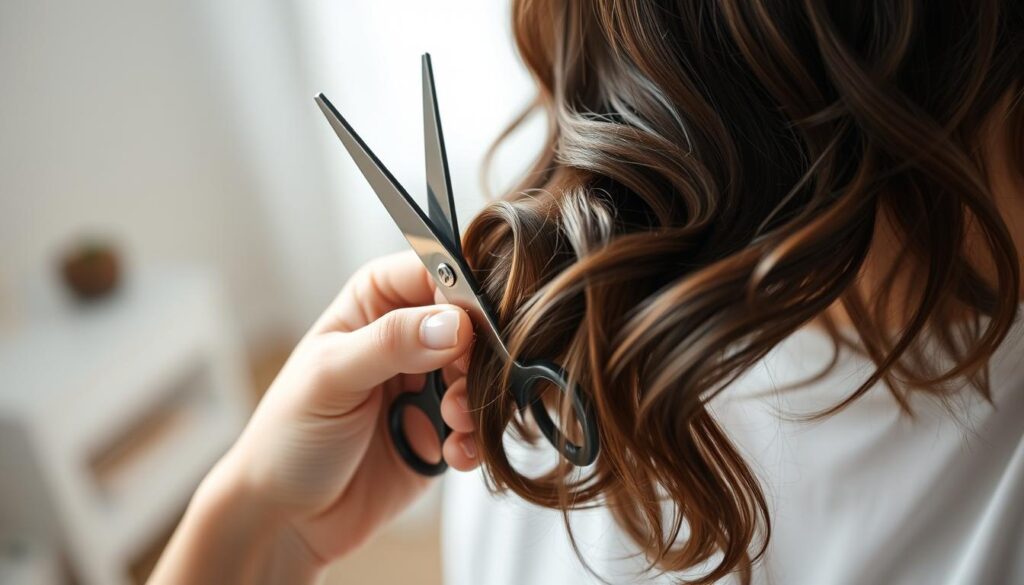
Layering with Scissors vs. Razors
Choosing between scissors and razors affects your final look. Scissors give a clean, precise cut for structured layers. Razors offer a softer, more textured finish for a natural look.
Both tools can be used in your layering guide to create beautiful, customized layers.
Layering for Different Hair Types
Getting a layered hairstyle can be easy if you know what your hair needs. Tailoring layers to your hair type makes them look good and work well. This part will give you tips on layering for fine, thick, and curly hair.
Layering for Fine Hair
For fine hair, the goal is to add volume without losing density. Experts suggest using blended layers instead of choppy ones. This helps fine hair look thicker and fuller.
Layering for Thick Hair
Thick hair benefits a lot from layered cuts. These cuts reduce weight and make hair easier to manage. Sharp angles in layered cuts can also highlight natural movement.
Using wolf cut techniques can also work well for thick hair. It makes hair more manageable and stylish.
Layering Curly Hair
Curly hair needs special layering to enhance curls and prevent frizz. Long layers help avoid triangular shapes. The ‘Curly Layered Haircut’ by Cassie Siskovic is great for curly hair.
This technique balances length and volume. It’s perfect for curly textures.
The Importance of Face Shape in Layering
Knowing how to layer your hair based on your face shape can really make a difference. It helps show off your best features. By understanding your face shape, you can pick the right layered haircut that makes you look even more beautiful.
Identifying Your Face Shape
Before you choose a layered haircut, it’s important to know your face shape. There are several types, like oval, round, square, heart, and diamond. Each shape has its own look that can be enhanced with the right layers.
For example, round faces have fuller cheeks and softer features. Square faces have a strong jawline. Knowing your shape helps you pick the best layered haircut.
Best Layered Styles for Different Shapes
Every face shape looks best with different layering techniques. If you have a round face, longer layers can make your face look longer and more oval. For square faces, softer layers can soften the jawline, adding a touch of femininity.
Heart-shaped faces, with a wider forehead and narrower chin, look great with layers that add volume around the jawline. This balances out the face. Oval faces are versatile and can pull off many layered styles.
By knowing your face shape, you can talk better with your stylist. This way, you can get a layered haircut that’s uniquely flattering to you. Trying out different styles can help you find one that not only fits your face but also your personal style.
Layered Cuts for Length Variation
Layered haircut styles offer great flexibility for various hair lengths. Whether you have long, medium, or short hair, learning to layer is essential for stunning looks.
Long Layered Hair Cuts
Long layered hair cuts add movement and volume without losing length. Celebrity stylists like Cassie Siskovic say long layers enhance hair texture, adding a flowing look. You can adjust layers to match your style, face shape, and hair type. Learn more about short layered looks inspired by the wolf cut here.
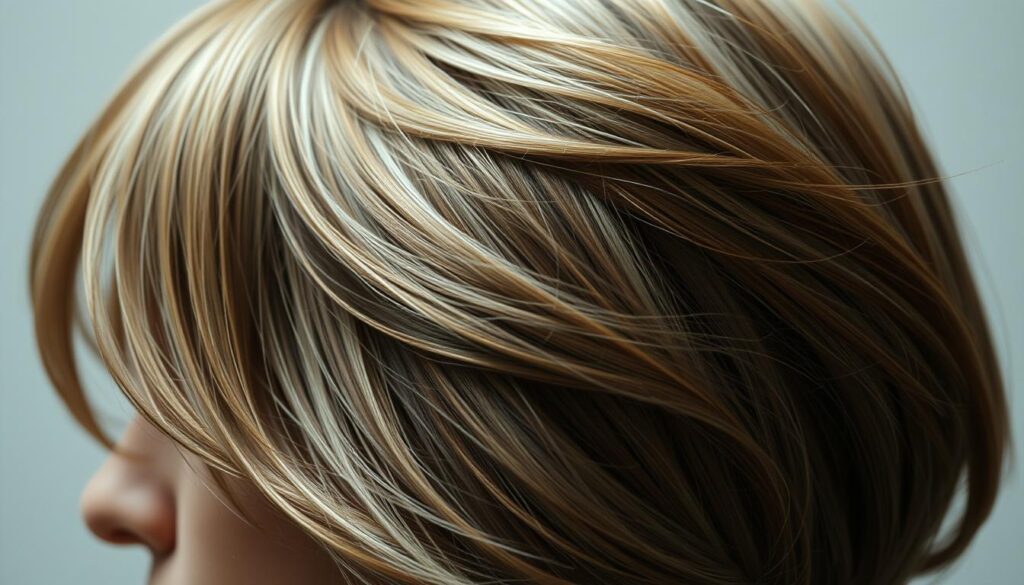
Medium Layered Styles
Medium layered styles offer a balance of versatility and ease. They’re perfect for those who want texture without big changes. These cuts work well for many styles, from beachy waves to sleek looks.
Mastering medium layers means understanding your hair’s natural flow and volume. This ensures the layers enhance your look without adding too much bulk.
Short Layered Hair Cuts
Short layered hair cuts, like bobs and pixies, add volume and a modern look. They’re great for those who want to enhance their short hair. These styles are modern and easy to maintain, giving a chic look.
The wolf cut, a mix of shag and mullet, is a bold, face-framing option. It’s perfect for adding texture and volume to fine or straight hair.
“The beauty of layered cuts is that they can be tailored to suit every length and hair type, from straight to curly,” says Anna Kim, a renowned hairstylist.
In conclusion, whether you choose long, medium, or short layered hair cuts, mastering layering is key. It ensures your style meets your personal and lifestyle needs.
Maintaining Your Layered Hair Cut
Keeping your layered hair maintenance up ensures your style looks great. Use the right products and tools to keep your layers looking sharp. Here are the key items you need for your layered hair cut.
Recommended Products and Tools
The right tools can make a big difference in your look. You’ll need professional blow dryers, round brushes, and top-notch scissors. Use volumizing mousse or light-hold gels to add texture and hold. Here’s a quick list of some top picks for layered hair:
| Product | Usage | Brand |
|---|---|---|
| Blow Dryer | Styling and volume | Dyson Supersonic |
| Round Brush | Detangling and smoothing | GHD Ceramic Vented |
| Volumizing Mousse | Adds volume | Moroccanoil |
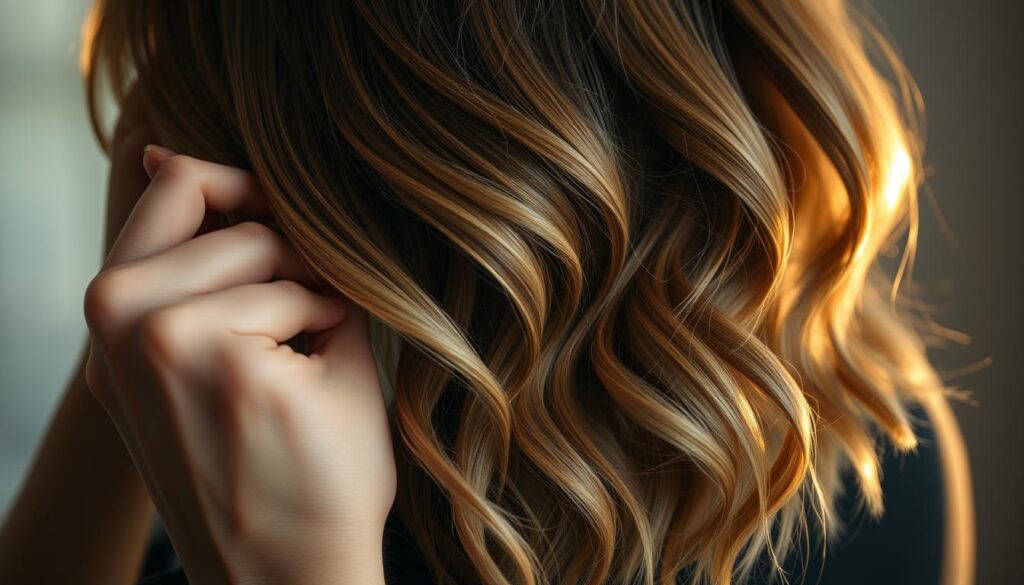
Routine Trims and Touch-Ups
For lasting layered hair maintenance, get trims every 6-8 weeks. This keeps your layers in shape and prevents split ends. Regular touch-ups keep your style sharp and polished. With consistent care, your hair cut will always look its best.
Styling Layered Hair
Proper techniques can make layered cuts look amazing. They can create dynamic, voluminous styles. Learning the right tools and methods is key to keeping your layered hair vibrant and moving.
Blow Drying Techniques
Blow drying with a round brush can add volume and define layers. This creates a polished look. Start by applying a heat protectant spray to shield your hair from heat damage.
Section your hair and use a round brush to lift the roots while blow drying. This will enhance the natural movement of your layers.
For a more detailed approach to styling methods, check out this guide on achieving the perfect layered look.
Using Curling Tools Effectively
Using curling tools, like curling irons or wands, can highlight the dynamic shapes of layered hair. They add texture and depth. To achieve this, wrap sections of your hair around the barrel, varying the direction of your curls.
This creates a natural, tousled effect. For a finishing touch, use a lightweight texturizing spray to maintain bounce and hold.
Incorporating these techniques into your daily routine will keep your layered cut fresh and stylish. Whether you’re blow drying for volume or curling for added texture, mastering these skills is essential. It’s key for anyone looking to perfect the art of styling layered hair.
To explore more styles and techniques for layered hair, visit long hair wolf cut guide.
Common Mistakes to Avoid
Mastering layered haircuts means knowing what not to do. We offer expert tips to help you avoid common mistakes.
Over-Layering Hair
One big mistake is over-layering. It can make your hair look choppy and unbalanced, worse for fine hair. To fix this, remember that less is better. Thin layers add texture without losing volume, keeping your style looking great.
Improper Techniques
Bad cutting techniques harm your hair’s look and health. Using dull shears or cutting at wrong angles can lead to split ends. To keep your haircut sleek, follow expert layering advice and use best practices.
Enhancing Your Layered Hair Cut with Colors
Layered haircut styles are great for trying out different color techniques. This adds more depth and dimension to your look. By choosing colors that match your layers, you can make your style even more stunning.
Best Color Choices for Layered Cuts
Choosing the right color for your layered haircut is all about your style and hair type. Natural shades like caramel, chestnut, or auburn are great for a subtle look. For something bolder, try deep reds, purples, or platinum blonde.
The important thing is to pick colors that look good with your base color. They should also highlight the layers of your haircut.
Balayage vs. Highlights
When coloring layered hair, balayage and highlights are top picks. Balayage is a hand-painting technique that gives a natural, sun-kissed look. It’s perfect for layered haircuts because it makes the layers look like they’re moving naturally.
Highlights, on the other hand, use foil to create defined streaks of color. They add contrast and depth. Both methods can make your layered haircut look amazing, but it depends on what you want and how much work you’re willing to do.