
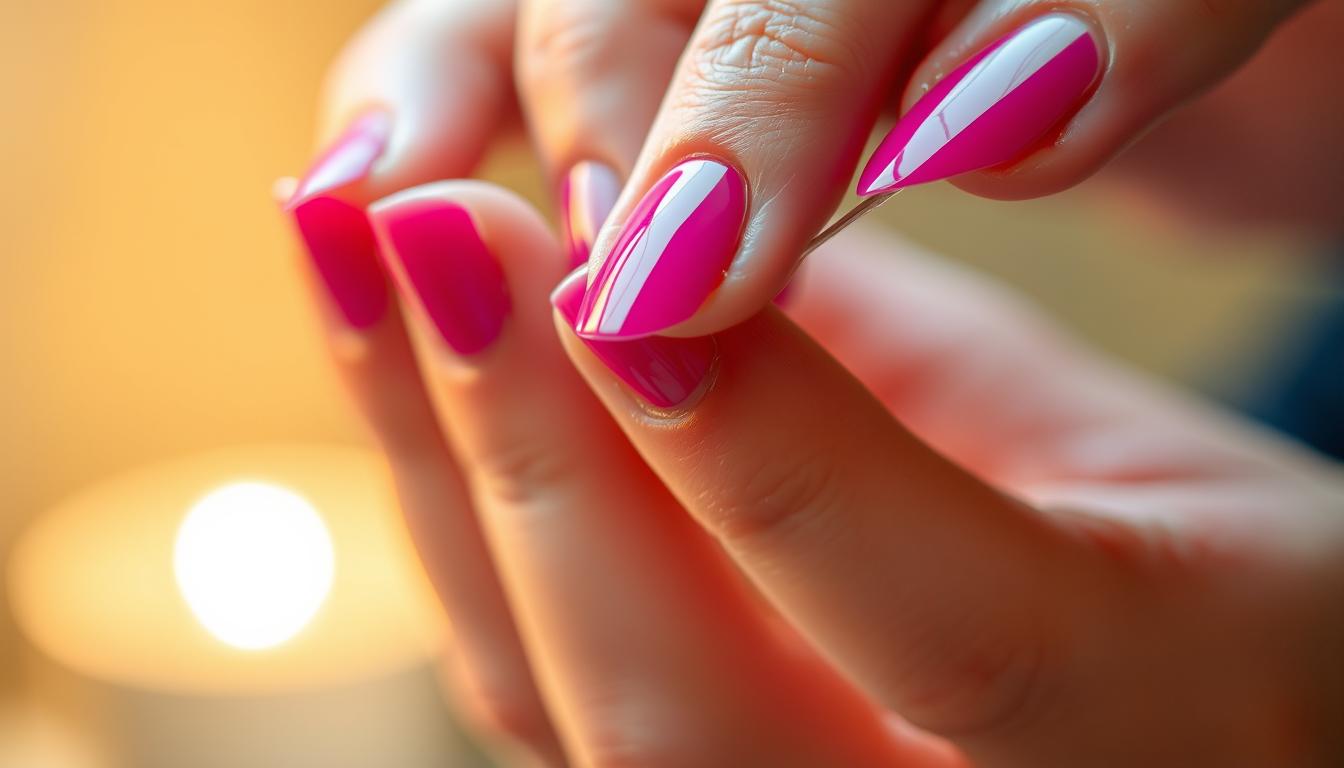
Picture this: You love your bold manicure, but now it’s time for a fresh start. Should you attempt removal yourself, or risk a salon visit? Many assume DIY methods are harmless, but professionals warn otherwise. Let’s explore why this process demands more care than you might think.
Licensed manicurists consistently stress that impatience leads to disaster. Unlike regular polish, acrylics bond tightly to your natural nail bed. Rushing or prying them off can cause peeling, cracking, or even infections. The right approach combines acetone, precision, and time—three elements most overlook.
Why does this matter? Your natural nails are delicate. Aggressive removal strips their protective layers, leaving them brittle for months. While salons use specialized tools, safe at-home methods exist when done correctly. This guide blends insights from top nail artists and dermatologists to protect your hands.
Key Takeaways
- Professional techniques prioritize nail bed protection during acrylic removal
- Acetone-based methods work best but require careful application
- Allocate at least 60 minutes for the full process
- Avoid shortcuts like picking or peeling acrylics
- Proper prep prevents long-term damage
- Tools matter—use quality files and buffers
Setting Up Your At-Home Salon
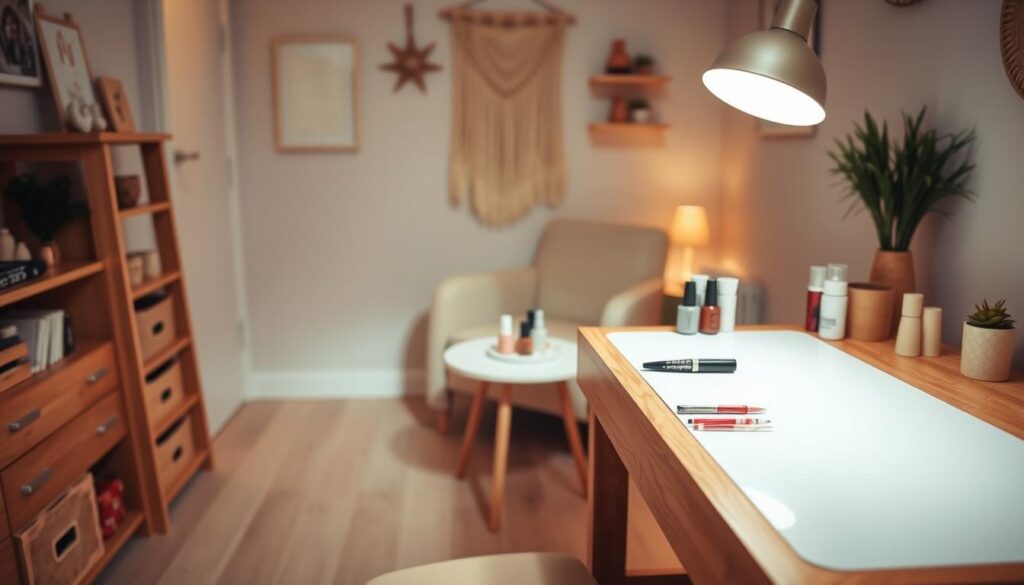
Transform your kitchen table into a temporary beauty station that rivals professional setups. Proper preparation makes all the difference when working with strong solvents like acetone. Let’s build a workspace that keeps your skin safe and surfaces protected.
Creating a Clean, Well-Ventilated Workspace
Open two windows to create cross-ventilation before uncapping acetone. Position a small fan facing outward to push fumes away from your face. This simple trick helps maintain air quality while preserving your favorite short pink acrylic nails designs during future applications.
Protecting Your Surfaces from Acetone
Layer materials strategically: Start with a silicone mat, add a folded towel, then top with wax paper. This triple barrier prevents stains and absorbs spills. Keep acetone bottles centered on the protected area to avoid accidental tipping.
| Feature | Salon Setup | Home Adaptation |
|---|---|---|
| Ventilation | Industrial exhaust fans | Open windows + portable fan |
| Surface Protection | Stainless steel tables | Layered towel/wax paper |
| Tool Organization | Sterilized metal trays | Rimmed baking sheets |
| Lighting | Adjustable LED lamps | Clip-on book light |
Choose a chair that supports your elbows at table height. Proper posture helps maintain steady hands during the detailed process. Store acetone away from electronics and candles—its flammable nature demands caution.
Essential Tools and Supplies for Acrylic Nail Removal
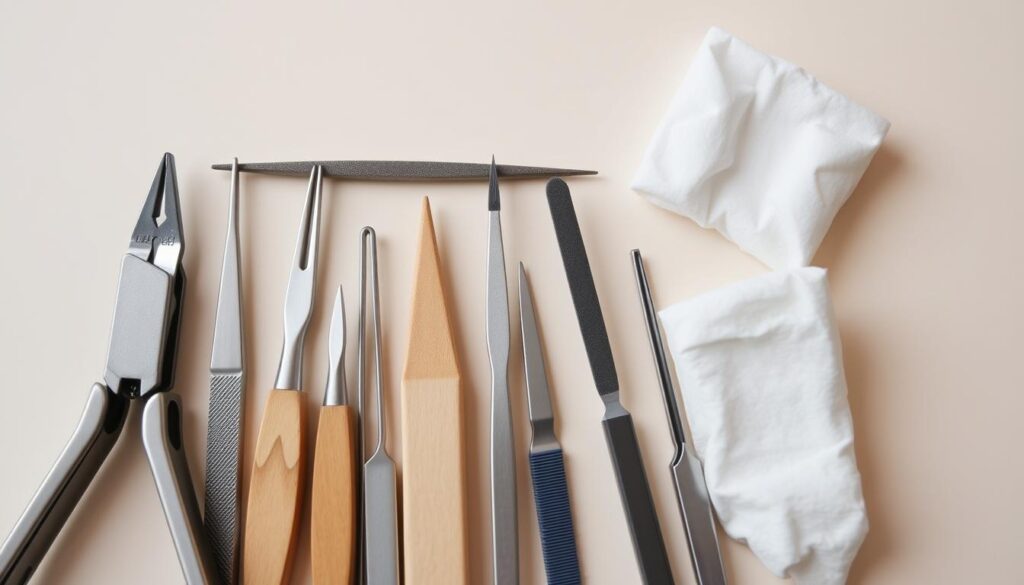
Your local drugstore holds everything needed for safe acrylic removal. Professional manicurists agree: using specialized tools prevents 80% of common nail injuries. Let’s explore what belongs in your DIY kit and why each item matters.
Selecting Nail Clippers, Files, and Buffers
Heavy-duty nail clippers with curved blades slice through thick extensions cleanly. Look for stainless steel models—they’re less likely to bend or rust. A dual-grit nail file (100/80 grit) tackles two jobs: the coarse side reduces bulk, while the finer edge smooths ridges.
Buffers with multiple surfaces work best. “The right tool combination lets you control pressure,” notes celebrity nail artist Zoey Washington. “You’re sculpting, not sanding wood.”
Choosing the Right Acetone, Cotton Balls, and Foil
Pure acetone outperforms regular polish remover every time. Check labels for 70-proof concentration—anything weaker prolongs soaking. Thick cotton balls hold more liquid than thin pads, while aluminum foil molds perfectly around fingertips.
Skip metal pushers that scratch. Cuticle pushers with rounded edges lift softened acrylic gently. Pair them with a shallow bowl for controlled acetone dips—perfect for preserving delicate acrylic nail art designs during removal.
Pro tip: Clip-on foil wraps eliminate messy DIY folding. They’re reusable and fit all nail sizes—a smart investment for frequent style changes.
Step-by-Step Process: How to Remove Acrylic Nails
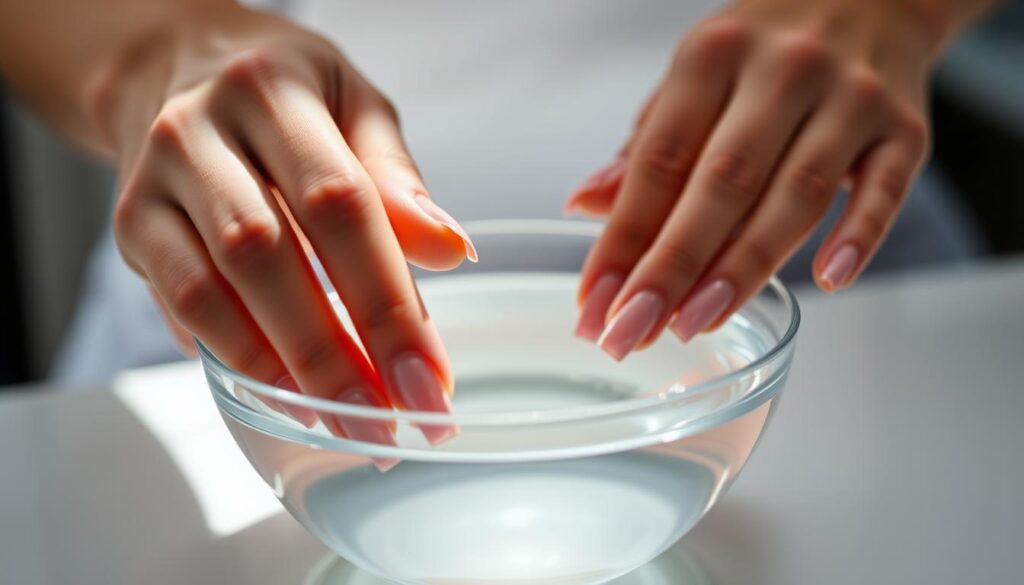
Ready to give your nails a fresh start? Let’s break down the salon-approved process that keeps your natural base intact. With the right approach, you’ll transition smoothly from bold extensions to healthy bare nails.
Trimming and Filing Techniques for Safe Removal
Grab heavy-duty clippers and trim extensions down to two centimeters above your nail bed. This golden rule prevents painful snags and reduces acetone exposure time. Angle blades slightly upward to avoid cutting too close.
Switch to a 100-grit file next. “Saw gently side-to-side like you’re slicing bread,” advises manicurist Lisa Chen. The coarse texture eats through acrylic layers while protecting delicate surfaces underneath. Stop when you feel slight resistance—that’s your natural nail signaling safety.
Effective Acetone Soak and Foil Wrap Methods
Soak thick cotton balls in pure acetone until dripping. Press one onto each nail, then wrap snugly with foil. Set a timer for 10-15 minutes—thicker applications might need 30. Peek at one finger after the bell; if acrylic slides off easily, you’re set.
Use a rounded cuticle pusher to lift softened material from base to tip. Apply zero pressure—let the acetone do the work. Stubborn spots? Rewrap for five extra minutes rather than forcing. Finish with a buffer to smooth any remaining ridges.
Avoiding Mistakes and Protecting Your Natural Nails
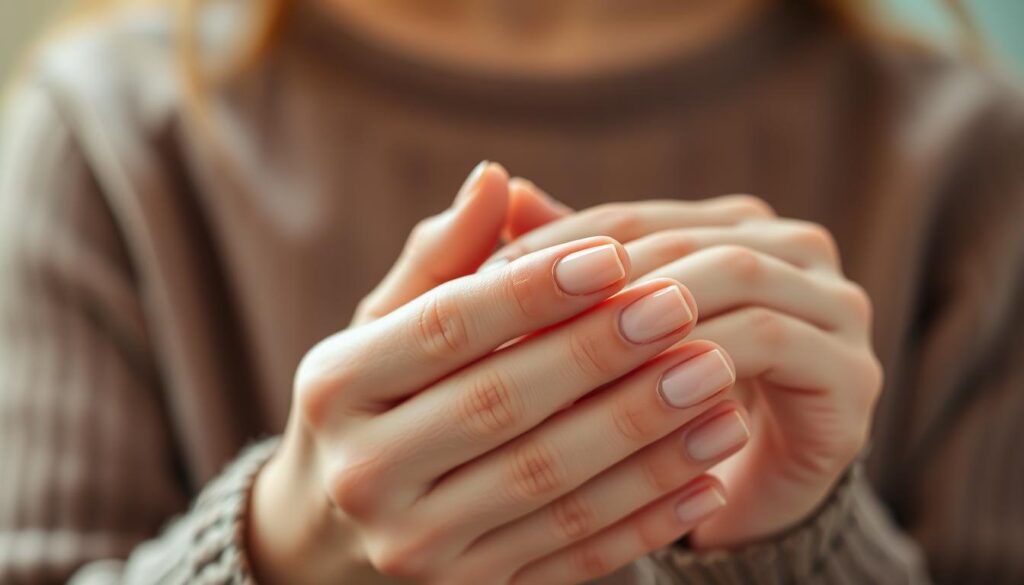
Social media trends often promise quick fixes, but your nail health deserves better. Viral hacks claiming to work “without acetone” flood platforms, yet experts unanimously reject these risky shortcuts. Let’s separate fact from fiction to keep your fingertips intact.
Preventing Damage During the Removal Process
Dish soap baths and dental floss tricks dominate TikTok, but these methods endanger your natural nails. “They create microtears in the nail plate,” warns manicurist Molly Romah.
“Acetone’s molecular structure breaks acrylic bonds—alternatives just shred layers.”
Watch for these signs of proper softening:
- Cloudy, gel-like texture on acrylic surfaces
- Edges lifting slightly from the nail bed
- No resistance when gently pushing with a cuticle tool
Tips for a Gentle and Effective Process
When progress stalls, re-soak rather than pry. Wrap one finger at a time if others need more time. This staggered approach prevents overexposure while maintaining results.
Keep cotton balls fully saturated—evaporation reduces effectiveness. If skin feels dry, apply petroleum jelly around nails before soaking. This barrier protects without interfering with acetone’s work.
Remember: Rushed removal causes 90% of damaging natural nail issues. Set aside two hours for your first attempt. With practice, you’ll streamline the process while keeping your base strong and healthy.
Expert Aftercare and Nail Recovery Tips
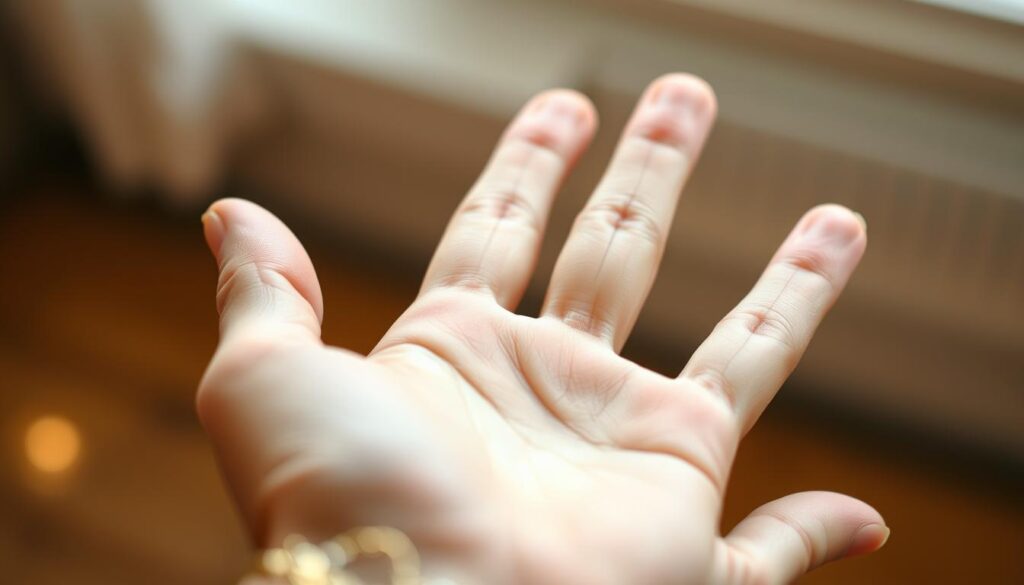
Your fingertips deserve VIP treatment after acrylic removal. Acetone strips essential moisture, leaving natural nails vulnerable. “Rehydration begins the moment you finish removal,” emphasizes nail specialist Molly Romah. Consistent care bridges the gap between bare nails and your next stylish manicure.
Moisturizing and Hydrating Your Cuticles
Apply cuticle oil like CND SolarOil three times daily. Jojoba-based formulas mimic natural skin oils, absorbing faster than petroleum products. Massage in circular motions to boost blood flow and nutrient delivery.
Keep a travel-sized bottle in your bag. Quick applications after handwashing prevent dehydration. Pair with thick hand cream containing shea butter for 24-hour protection.
Strengthening Treatments and Recovery Strategies
OPI Nail Envy strengthens thin, peeling nails within weeks. Apply two coats as a base layer, refreshing every three days. For severe damage, CND RescueRxx Daily Keratin Treatment rebuilds structure through protein infusion.
| Recovery Stage | Recommended Product | Key Benefit |
|---|---|---|
| Immediate Post-Removal | Cuticle Oil Serum | Restores moisture barrier |
| Week 1-2 | Nail Strengthener | Rebuilds keratin layers |
| Ongoing Care | Hydrating Hand Mask | Prevents future brittleness |
Avoid all polish for 14 days minimum. White patches or vertical ridges signal needed rest. If applying color later, choose breathable formulas like Zoya Naked Base for protection without suffocation.
Conclusion
Mastering acrylic removal at home requires patience and precision—but rewards you with healthy nails. While salons offer convenience, your kitchen setup can achieve similar results when following proven methods. The key lies in respecting your nail’s biology and avoiding aggressive shortcuts.
Post-removal care determines your recovery speed. Hydration becomes critical after acetone exposure. Nourish cuticles daily with oils and let nails breathe before considering new pink and white designs.
Time investment pays dividends. Rushing leads to brittleness, while gradual techniques preserve strength. Whether refreshing your style or taking a beauty break, prioritize gentle handling over speed. Your natural base will thank you with resilience for future transformations.
With practice, this process becomes second nature. Celebrate small victories—each successful removal builds confidence. Remember: beautiful nails start with mindful maintenance, not just creative artistry.