
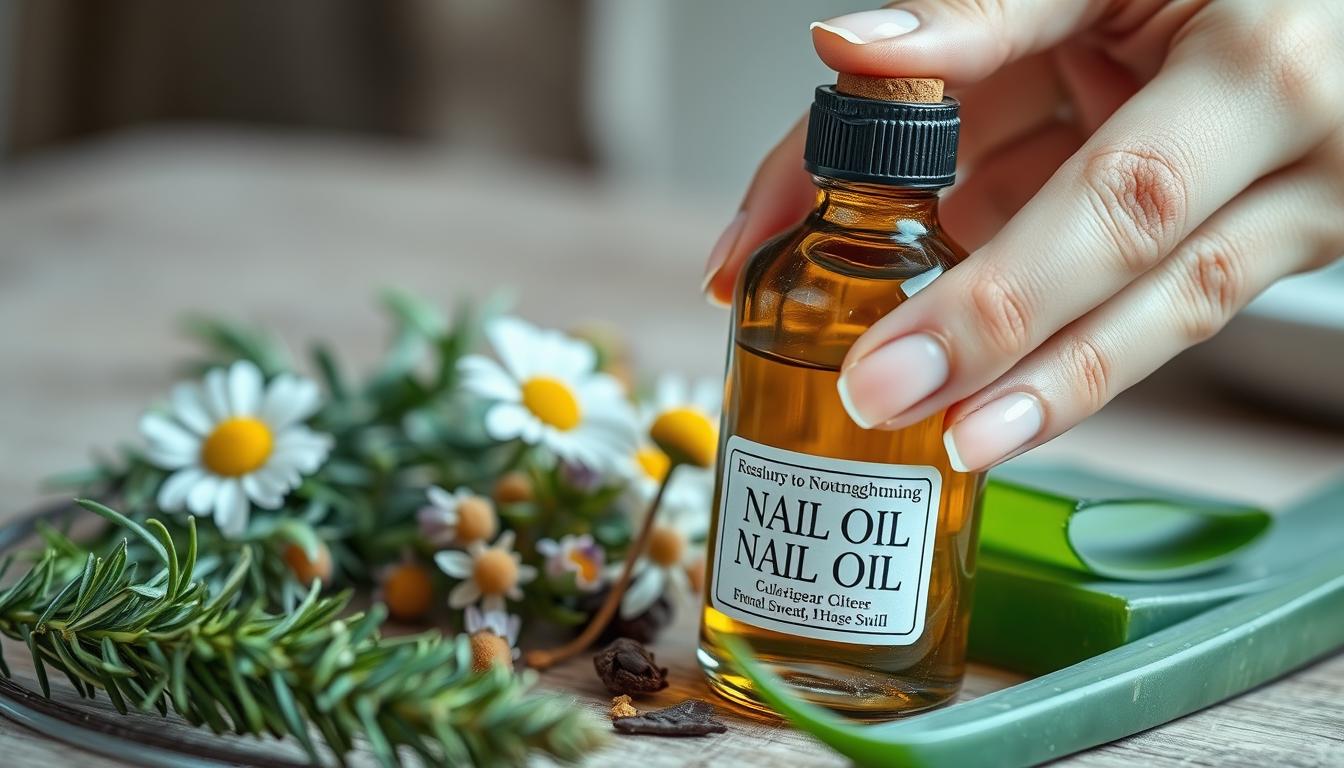
What if the secret to resilient nails isn’t in expensive salon treatments but in your daily habits? Brittle, peeling nails frustrate millions, but most people overlook the root causes hiding beneath the surface. Whether it’s nutrient gaps, harsh chemicals, or even thyroid imbalances, your nail health often reflects deeper bodily needs.
This guide isn’t about quick fixes. Instead, you’ll uncover science-backed methods to transform weak nails into durable, glossy assets. Imagine understanding exactly why your nails split or chip – and having actionable solutions that fit your lifestyle. We’ve combined dermatologist insights with real-world success stories to create a roadmap for lasting change.
You’ll also learn which common practices – like over-filing or using acetone-based polish removers – silently sabotage progress. Small swaps, like wearing gloves while cleaning or adding biotin-rich foods, can make a dramatic difference. Better yet, these strategies work whether you’re battling occasional dryness or chronic brittleness.
Key Takeaways
- Identify hidden causes of weak nails, from diet to health conditions
- Discover 12 science-backed methods to improve nail durability
- Learn which daily habits accidentally damage nail structure
- Combine internal nutrition with external protection for best results
- Recognize when to consult a professional about persistent issues
Introduction: The Journey to Healthier Nails
Healthy nails are more than just a beauty goal—they’re a window into your overall well-being. Smooth, pink nails don’t happen by accident. They thrive when daily choices align with science-backed strategies.
Welcome to Your Nail Care Guide
Think of this as your roadmap to vibrant, resilient nails. You’ll learn why brittle edges or peeling layers often signal deeper issues. It’s not just about polish—proper care combines nutrition, protection, and smart habits.
Ever wondered why some people maintain stiletto nails effortlessly? It’s about balance. Your nails need moisture, protein, and defense against daily wear. Small tweaks add up fast.
What to Expect from This Listicle
This guide delivers bite-sized, actionable tips without overwhelming you. Each step builds on the last, covering:
| Common Challenges | Solutions | Results Timeline |
|---|---|---|
| Dryness from water exposure | Protective gloves | 2-4 weeks |
| Weakness from nutrient gaps | Biotin-rich foods | 6-8 weeks |
| Damage from harsh chemicals | pH-balanced cleaners | Immediate |
You’ll discover how to spot early warning signs and when to consult a dermatologist. No jargon—just clear steps for healthy nails that shine from within.
Understanding Brittle Nails and Their Causes
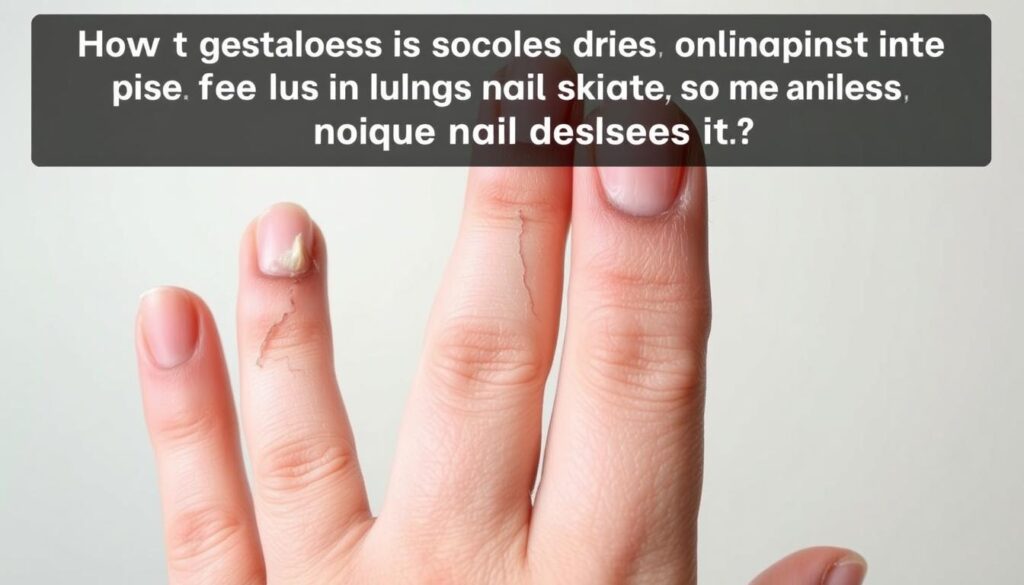
Did you know 1 in 5 women experience brittle nails? This common issue stems from two primary sources: what’s happening inside your body and what touches your hands daily. Let’s break down these causes so you can spot your personal triggers.
Internal Factors and Nutrient Deficiencies
Your genes set the baseline for nail resilience. While you can’t change DNA, proper care helps maximize your natural potential. Low levels of biotin, iron, or protein create visible changes—think ridges or peeling layers.
Health conditions like anemia or thyroid disorders reduce blood flow to nail beds. This starves them of oxygen and nutrients needed for growth. Aging plays a role too—after 50, natural oils decline, making nails drier and more fragile.
Environmental and Chemical Exposures
Daily tasks quietly sabotage nail health. Dishwashing without gloves? That’s 20 minutes of water exposure per session, softening nails until they bend. Acetone-based polish removers strip protective oils faster than acetone-free options.
| Factor Type | Common Triggers | Preventive Actions |
|---|---|---|
| Internal | Iron deficiency, thyroid issues | Blood tests, supplements |
| External | Cleaning products, frequent manicures | Cotton-lined gloves, moisturizing base coats |
See the pattern? Lasting improvement comes from addressing both internal gaps and external assaults. Your nails thrive when you balance protection with targeted nourishment.
How to Strengthen Nails
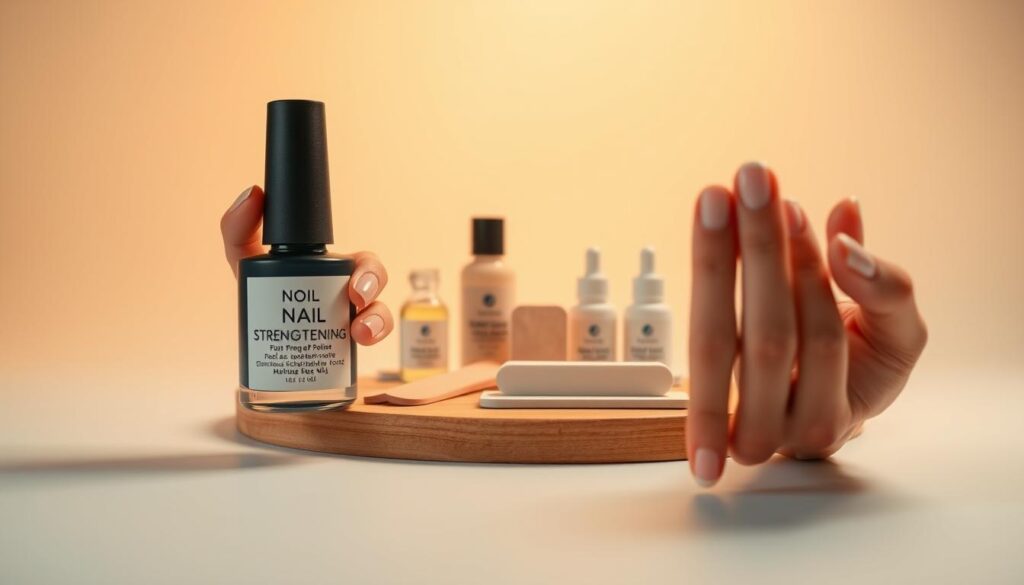
Transform fragile tips into resilient shields with targeted care. The best approach combines internal nourishment with external defense—think of it as armor plating from the inside out.
Start by assessing your daily routine. Are you scrubbing dishes bare-handed? Using acetone remover weekly? These habits quietly erode protective layers. Swap harsh chemicals for gentler alternatives, and always wear gloves during chores.
| Method | Key Action | Visible Results |
|---|---|---|
| Biotin Boost | 10,000 mcg daily supplement | 8-12 weeks |
| Hydration Focus | 8 glasses water + cuticle oil | 3-4 weeks |
| Protective Products | pH-balanced nail hardener | Immediate |
Consistency matters most. While cuticle oils show quick hydration benefits, structural changes take months. “Nails grow slowly—about 3mm monthly,” explains dermatologist Dr. Lisa Sanders. Track progress through reduced peeling rather than rapid length gains.
If splits persist after 90 days of focused care, consult a professional. Thyroid issues or vitamin deficiencies might need medical intervention. Remember—lasting change requires patience and tailored solutions.
Nutritional Strategies for Revitalizing Your Nails
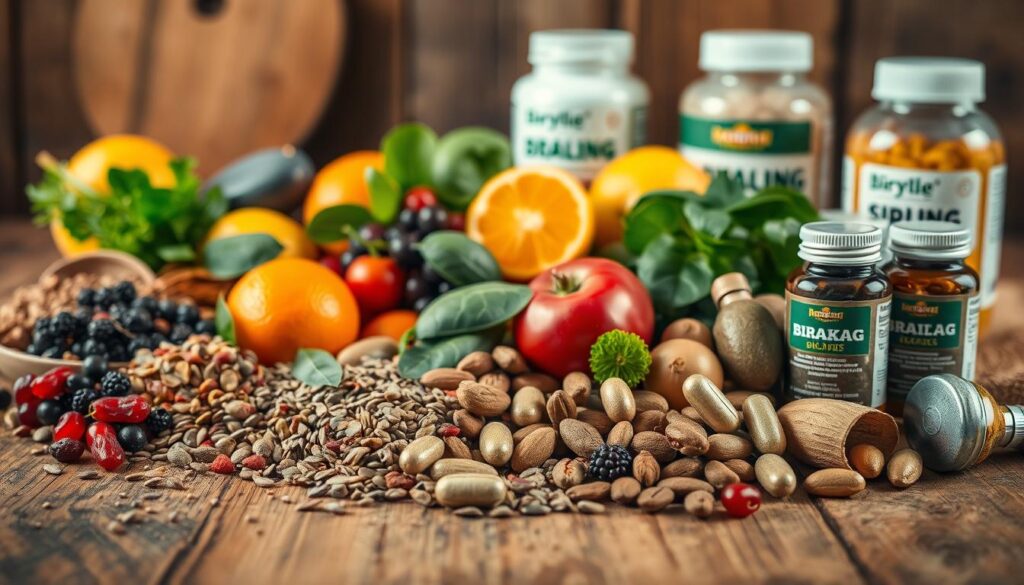
Your plate holds surprising power over nail resilience. While creams and treatments work externally, true transformation begins with what fuels your body. Let’s explore the building blocks your nails crave.
Fueling Growth from Within
Biotin-rich foods like eggs and lentils act as nature’s nail architects. A 2019 study found collagen peptides from beef or poultry boosted thickness by 12% in 24 weeks. Pair these with citrus fruits—their vitamin C sparks collagen production.
| Nutrient | Top Sources | Key Benefit |
|---|---|---|
| Biotin | Eggs, almonds, sweet potatoes | Prevents splitting |
| Iron | Spinach, red meat, lentils | Combats brittleness |
| Zinc | Oysters, pumpkin seeds | Accelerates growth |
The Protein-Collagen Connection
Since nails are 90% keratin—a structural protein—aim for 20-30 grams per meal. Salmon delivers double duty with protein and omega-3s. “Collagen supplements show promise, but whole foods offer better absorption,” notes nutritionist Dr. Elena Martinez.
Watch for subtle signs like vertical ridges—they often signal vitamin deficiencies. While supplements help, prioritize a varied diet first. Always consult your doctor before starting high-dose biotin, which can skew lab results.
Consistency matters most. Expect stronger tips in 8-12 weeks as new nail cells form. Remember: nourished body, fortified nails.
Protecting Your Nails from Damage
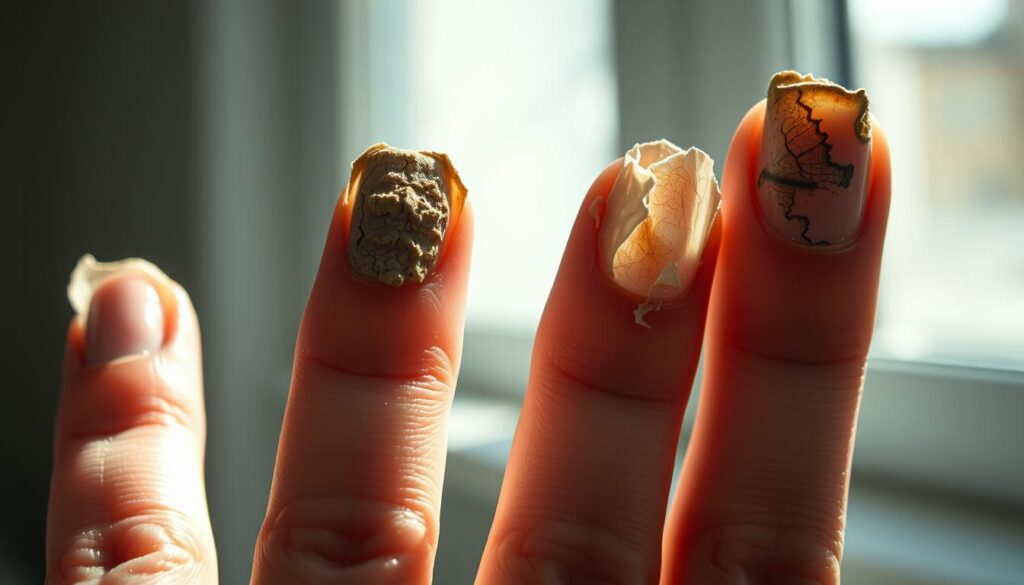
Daily defense against common threats keeps your tips resilient. While hydration matters, balance is key—too much moisture backfires. Let’s explore smart barriers to preserve your nail integrity.
Minimizing Water Exposure and Harsh Chemicals
Your nails absorb water 1,000 times faster than skin. Repeated swelling and drying weakens their structure. “Think of a sponge expanding and shrinking—that’s what happens to nail cells,” explains manicurist Lila Monroe.
Wear cotton-lined gloves during chores. They block both chemicals and prolonged soaking. Cleaning sprays often contain alkalis that dissolve keratin—your nails’ building blocks.
| Activity | Risk Level | Protection Tip |
|---|---|---|
| Dishwashing | High | Rubber gloves + 5-minute limit |
| Bathing | Moderate | Keep hands above water |
| Cleaning | Critical | Double-layer gloves |
Post-wetness care matters. Pat hands dry gently, then apply jojoba oil. Lukewarm showers prevent heat-induced brittleness. Store spare gloves under sinks for instant access.
Small shifts create lasting change. Your nails thrive when shielded from extremes—balance is everything.
Establishing Essential Nail Care Habits
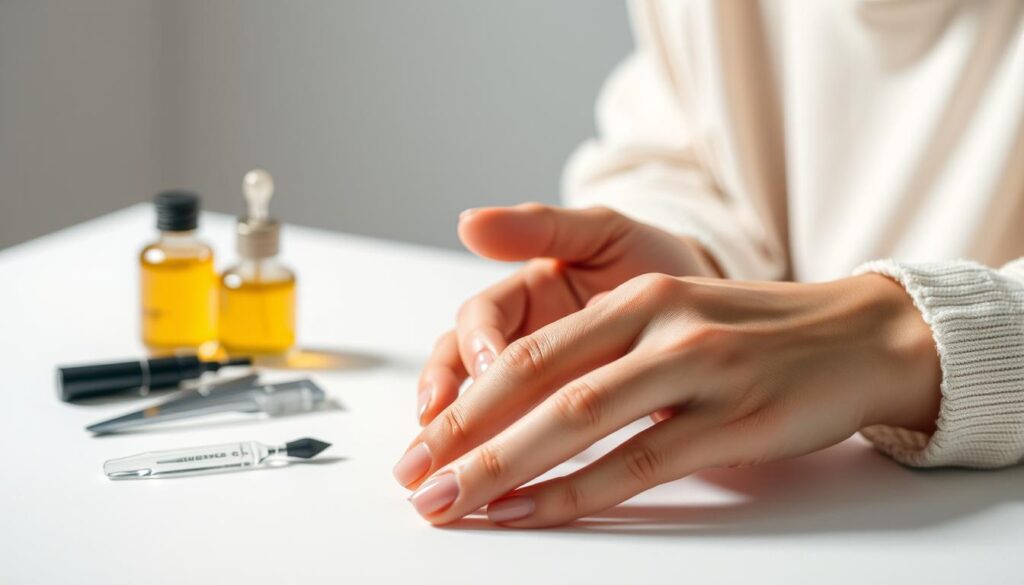
Think of your nails like delicate silk—they flourish with gentle, consistent care. Unlike quick fixes, lasting results come from small daily habits that protect and nourish over time.
Moisture Mastery for Lasting Resilience
Every hand wash strips natural oils. Counteract this by applying hand cream immediately after drying—even at public sinks. Keep travel-sized tubes in bags and car consoles for instant access.
Your cuticles act as natural armor. Treat them to daily massages with oils or specialized balms. This ritual does double duty: it hydrates while boosting blood flow to nail beds.
| Product Type | Key Ingredients | Best Use Time |
|---|---|---|
| Hand Cream | Glycerin, petrolatum | After washing |
| Cuticle Oil | Jojoba, vitamin E | Morning/night |
Look for formulas pairing moisture-attractors (hyaluronic acid) with sealants (shea butter). Nighttime offers prime repair hours—slather on thick cream before bed. Within weeks, you’ll notice fewer snags and splits.
Make hydration a non-negotiable routine. Like sunscreen application, consistency matters more than perfection. Your nails will thank you with glossy flexibility that resists daily wear.
Rethinking Your Manicure Routine
Your favorite salon treatment might be your nails’ worst enemy. While vibrant colors and gel manicures offer instant glam, they often leave behind hidden damage. The key? Balance aesthetics with recovery time.
Polish-Free Periods Promote Repair
Constant exposure to nail polish and acetone weakens keratin bonds. After seven days of color, give tips a week-long break. Use acetone-free removers to minimize stripping natural oils. This cycle lets nails rebuild their protective layers.
File Smarter, Not Harder
Aggressive back-and-forth filing creates microtears. Instead, glide a glass file in one direction. Avoid over-trimming sides—this prevents splits. For those who love bold styles, explore stiletto nail designs that prioritize structural integrity.
Remember: durability starts with gentle care. Swap harsh removal methods for soaking wraps, and let nails breathe between treatments. Your tips will thank you with natural strength that outshines any temporary polish.