

What if neglecting one simple grooming task could lead to pain, infections, or even permanent damage for your furry companion? While many pet owners assume scratching posts solve all claw-related needs, veterinary experts emphasize that regular maintenance plays a vital role in feline health. Those sharp claws aren’t just furniture destroyers – they’re living tissue requiring attention.
Overgrown claws can curl into paw pads, creating painful wounds prone to infection. Mobility challenges may develop as nails catch on fabrics, altering how your pet walks. But here’s the good news: Proper care prevents these issues while strengthening your bond through gentle handling routines.
This practice differs entirely from declawing – an invasive surgery banned in many regions. Instead, focused trimming sessions keep claws functional yet manageable. You’ll safeguard skin from accidental scratches and preserve household items without compromising your companion’s natural behaviors.
Key Takeaways
- Prevents ingrown claws and infections
- Supports proper posture and movement
- Reduces accidental scratches to people
- Protects furniture without declawing
- Strengthens trust through positive routines
- Maintains natural scratching behaviors
Understanding Cat Nail Anatomy
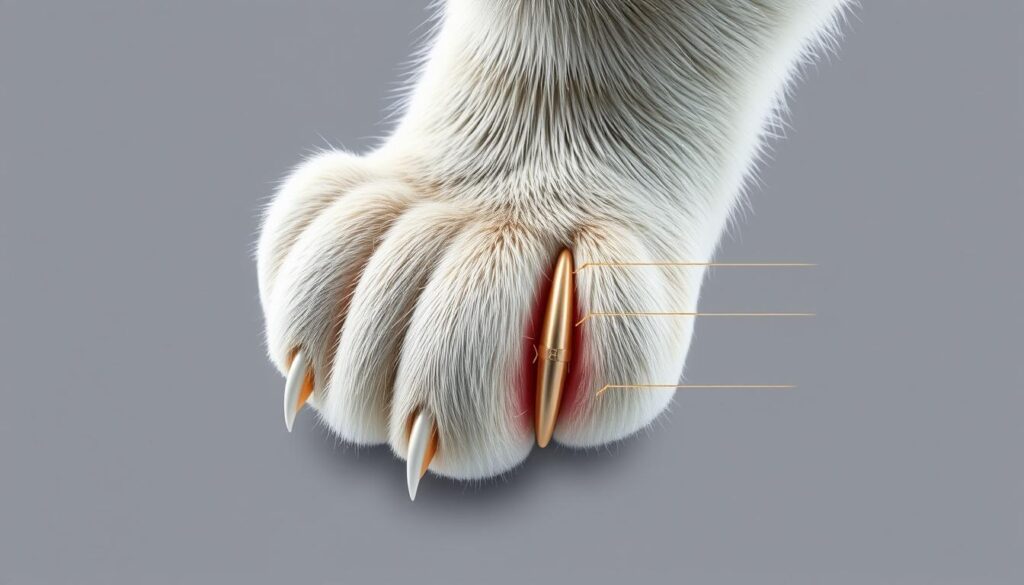
Did you know a feline’s claws contain living tissue similar to human fingernails? These curved tools evolved for climbing and hunting, but modern indoor life requires careful maintenance. Let’s explore what makes these structures unique.
The Structure of Cat Nails
Each claw features a hard keratin sheath surrounding the quick – pink tissue housing blood vessels and nerves. Front paws typically have five claws, while hind paws carry four. This 18-claw total often surprises new pet owners.
| Paw Type | Claw Count | Unique Features |
|---|---|---|
| Front | 5 | Includes dewclaws |
| Hind | 4 | No dewclaws present |
The Role of Dewclaws
Those inner front-paw claws help grip tree bark and toys. Unlike ground-contact claws, dewclaws don’t wear down naturally. “They’re like thumbs that never touch pavement,” explains veterinarian Dr. Lisa Lombardi. Regular checks prevent curling into toe pads.
Active felines use these specialized claws for balance during jumps. Without maintenance, overgrowth can lead to painful snags on carpets. Proper care keeps all 18 claws functional and comfortable.
Benefits of Regular Nail Trimming
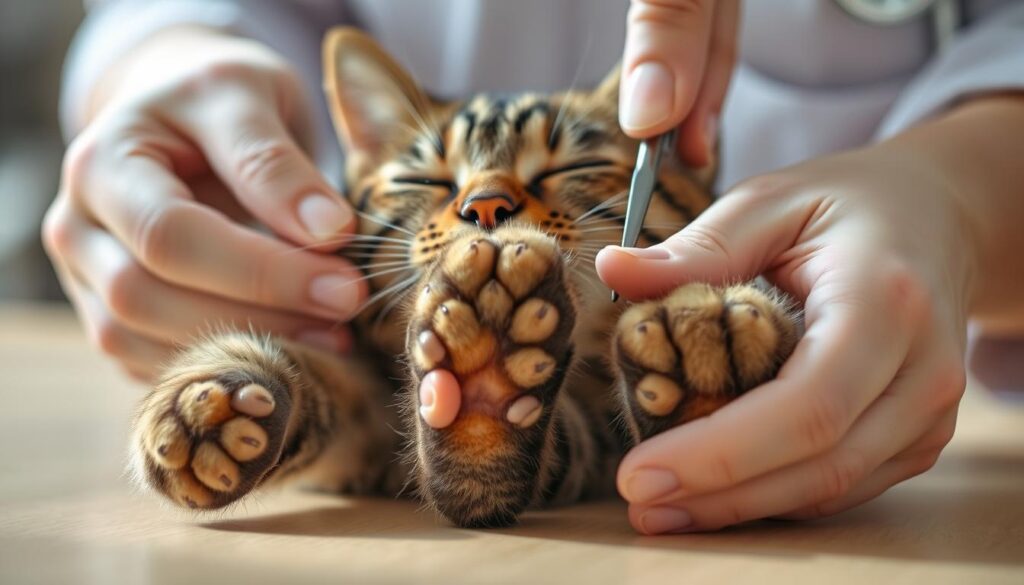
Regularly trim cat nails to combine care with practicality. Those curved claws serve natural purposes but demand attention to prevent hidden issues. Proper maintenance creates safer environments while supporting physical well-being.
Enhancing Your Cat’s Health
Overgrown claws transform from tools to troubles when left unchecked. Curved tips can pierce paw pads, creating entry points for bacteria. Mobility challenges arise as elongated nails alter walking patterns, straining joints over time.
Routine trims stop debris buildup in nail beds, reducing infection risks. “Consistent care prevents 80% of claw-related vet visits,” notes feline specialist Dr. Emily Torres. Properly maintained nails also minimize painful breaks during play or climbing attempts.
Protecting Your Furniture and Skin
Sharp claws leave marks on more than scratching posts. Overgrown claws snag fabrics and carpet fibers, potentially injuring paws during escapes. Smooth tips decrease accidental scratches during cuddle sessions, preserving both skin and sofa surfaces.
Maintained claws satisfy natural scratching urges without destruction. This balance protects furniture and fabrics while letting your cat engage safely. A quick session every 3-4 weeks keeps upholstery—and relationships—intact.
Essential Tools for Trimming Cat Nails
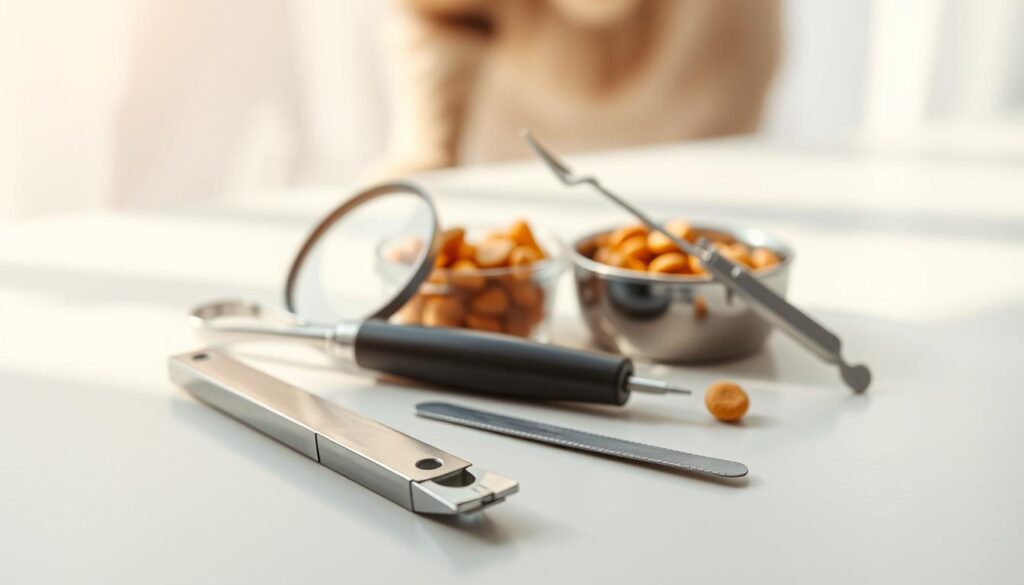
Equipping yourself with the right tools transforms nail care from a chore into a stress-free routine. Specialized equipment designed for feline anatomy reduces accidents while keeping claws functional. Let’s explore the gear that makes maintenance safer and more efficient.
Choosing the Right Nail Clippers and Grinders
Three main clipper types dominate the market. Scissors-style models feature curved blades that cradle claws during cutting. Guillotine versions use sliding blades but require precise nail positioning. “Pliers-style tools work best for thick claws,” notes groomer Marco Salazar. Electric grinders offer gradual filing but may require noise desensitization training.
| Type | Best For | Considerations |
|---|---|---|
| Scissors-style | Precision cuts | Needs frequent sharpening |
| Guillotine | Long-lasting edge | Learning curve for placement |
| Pliers-style | Thick claws | Spring-assisted mechanism |
| Grinders | Gradual shaping | Noise sensitivity issues |
Other Useful Grooming Supplies
Styptic powder tops the emergency kit list – its clotting action stops minor bleeding instantly. Keep cornstarch or a soap bar nearby as backup options. Feline-specific clippers outperform human models due to curved blades matching claw shape. Pair these with calming pheromone sprays for nervous pets.
Lightweight restraint bags help manage wiggly companions during sessions. Treat-dispensing toys create positive associations post-trim. Regular tool sterilization prevents bacterial transfer between uses. With proper supplies, maintenance becomes quicker and less stressful for everyone involved.
Step-by-Step Guide: How to Trim Cat Nails
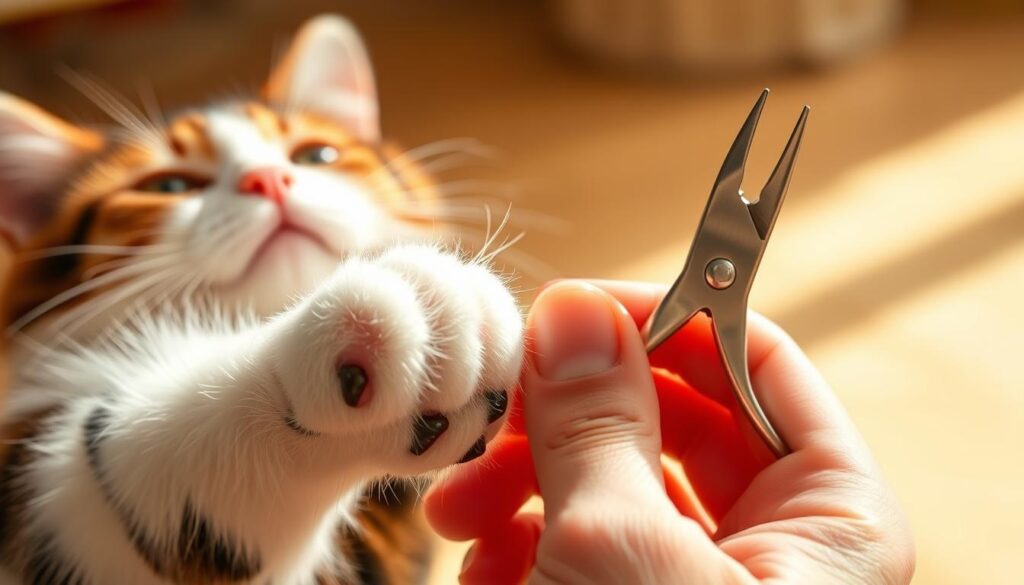
Ready to master feline nail care? Proper technique transforms this task from stressful to seamless. Follow these methods to ensure safety and comfort for both you and your companion.
Proper Handling and Positioning
Begin by settling your pet in a quiet space. Gently cradle them with their back against your chest, paws facing upward. This position allows easy access while providing security. Facing the same direction helps maintain control without restricting movement.
Use your non-dominant hand to hold a paw from behind. Apply light pressure between the toe pads to extend claws naturally. Keep sessions short—focus on one paw before offering praise or treats.
Precision Cutting Methods
Angle clippers at 45 degrees to match natural claw curvature. “Think of slicing the tip off a crescent moon,” advises groomer Tara Wilkins. Make conservative cuts, avoiding the pink quick visible through translucent claws.
| Tool Type | Cutting Style | Safety Tip |
|---|---|---|
| Scissors-style | Straight-across | Check blade alignment |
| Guillotine | Sliding motion | Position nail correctly |
If resistance occurs, pause and resume later. Reward calm behavior with favorite snacks to build positive associations. Regular practice helps pets accept handling while refining your technique over time.
Should You Trim Cat Nails for Their Health?
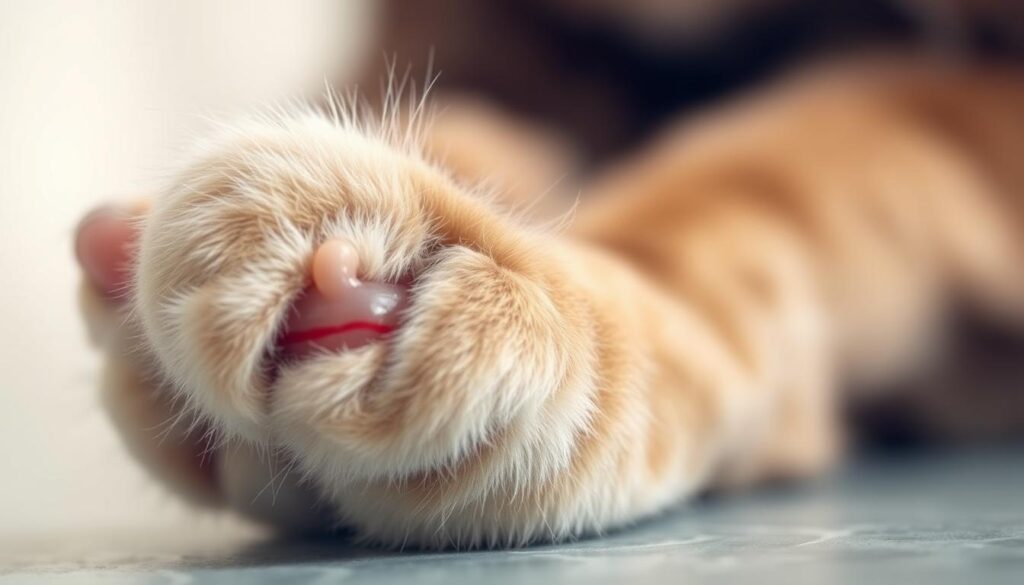
Early detection of overgrowth prevents paw injuries while maintaining natural scratching behaviors. Regular monitoring helps identify subtle changes before claws become problematic.
Recognizing When It’s Time for a Trim
Curved tips extending beyond paw fur signal immediate attention needed. Check weekly for these indicators:
| Sign | Risk Level | Action Required |
|---|---|---|
| Visible hook shape | Moderate | Trim within 3 days |
| Fabric snagging | High | Immediate trimming |
| Paw licking | Critical | Vet consultation |
Active felines wearing down claws naturally may need less frequent care. Senior pets or indoor-only companions often require biweekly checks. Consistent schedules prevent sudden emergencies.
Avoiding the Danger of Cutting the Quick
Transparent claws reveal the pink quick clearly. For dark-colored nails, use side lighting to locate the blood vessel’s endpoint. “Angle clippers upward to create a safety margin,” advises groomer Jenna Cole.
Follow these guidelines for safe cutting distances:
- Light-colored: 2mm below visible quick
- Dark-colored: 1/16 inch from curve apex
- Thick claws: Multiple small cuts
Keep styptic powder nearby for accidental nicks. Reward calm behavior with treats to build positive associations with maintenance routines.
Handling a Squirmy or Anxious Cat
Managing nervous felines during grooming sessions demands patience and smart strategies. Many pets need gradual acclimation to paw handling – rushing the process often backfires. Start with brief, positive interactions to build confidence over weeks.
Calming Techniques and the Use of a Towel
The towel swaddle method, affectionately called the “purrito,” helps restrict movement while providing comfort. Wrap your companion snugly in a thick bath towel, exposing one paw at a time. This technique prevents scratches and mimics the security of being groomed by their mother.
Always pair towel time with gentle praise. Nervous cats may require multiple practice wraps before accepting this restraint. Keep sessions under five minutes initially, rewarding calm behavior with favorite toys.
Using Treats and Positive Reinforcement
High-value rewards transform claw care into bonding opportunities. Offer small, smelly treats after each successful toe trim – freeze-dried chicken works wonders. “Consistency turns tolerated sessions into anticipated routines,” notes behaviorist Dr. Sarah Ellis.
Create a treat trail leading to grooming areas to reduce anxiety. For extremely stressed pets, consider spreading trimming over several days. These tips help forge trust while maintaining essential health routines.